
Guizhou (贵州, Guìzhōu) is a land of dramatic karst mountains, winding rivers, and profound revolutionary history. It was here that the Chinese Red Army, during the Long March of 1934–1935, staged a remarkable turnaround that changed the course of modern China. Today, visitors can walk the same paths, cross the same rivers, and stand in the same meeting rooms where history was made. This guide takes you along the Red Army’s route through Guizhou, blending historical insight with practical travel advice for international tourists.
Table of contents
Open Table of contents
- Why Guizhou for Red Tourism?
- Best Time to Visit
- Top Historical Sites Along the Long March Route
- 1. Zunyi Conference Site (遵义会议会址, Zūnyì Huìyì Huìzhǐ)
- 2. Chishui River & Four Crossings Sites (赤水河与四渡赤水遗址, Chìshuǐ Hé yǔ Sì Dù Chìshuǐ Yízhǐ)
- 3. Liping Ancient Town & Liping Conference Site (黎平翘街与黎平会议会址, Lípíng Qiào Jiē yǔ Lípíng Huìyì Huìzhǐ)
- 4. Loushan Pass (娄山关, Lóushān Guān)
- 5. Gouping Conference Site (苟坝会议会址, Gǒubà Huìyì Huìzhǐ)
- Suggested 5-Day Itinerary
- Getting Around
- Where to Stay
- Food to Try
- Practical Tips for International Visitors
- Costs
- FAQ
- Conclusion
Why Guizhou for Red Tourism?
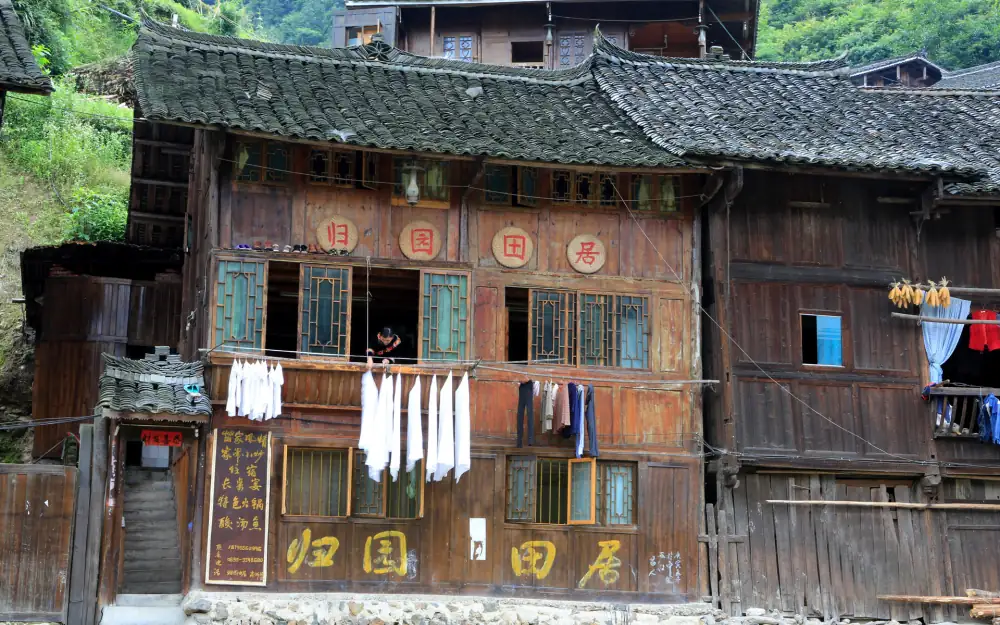
Guizhou is often called the “great turning point” of the Long March. While Jiangxi was the starting point and Shaanxi the final destination, Guizhou is where the Communist Party of China held the pivotal Zunyi Conference, which established Mao Zedong’s leadership. The province’s rugged terrain—mountains, gorges, and the swift Chishui River—shaped the military strategies that became legendary. For history enthusiasts, Guizhou offers an immersive experience: many battlefields, meeting sites, and villages remain remarkably preserved.
Best Time to Visit
The best time for a red tourism trip in Guizhou is spring (March–May) or autumn (September–November). During these months, the weather is mild and rainfall is lower, making hiking and outdoor exploration comfortable. Summer (June–August) is hot and humid, with frequent rain, but it’s also the peak season for the film Four Crossings (四渡, Sì Dù) promotions and related events. Winter is cold and misty, especially in the mountains, but fewer crowds mean a more contemplative experience.
Top Historical Sites Along the Long March Route
1. Zunyi Conference Site (遵义会议会址, Zūnyì Huìyì Huìzhǐ)
The most iconic red tourism site in Guizhou. This two-story brick-and-wood building, once the residence of a local warlord, hosted the historic Zunyi Conference in January 1935. Here, Mao Zedong was elected to the leadership, changing the course of the revolution. The site now functions as a museum with exhibits on the Long March and the conference.
- Location: Zunyi city center, at 96 Ziyin Road (子尹路96号).
- Opening hours: 8:30–17:00 (closed Mondays).
- Tickets: Free entry with valid passport; advance booking recommended via the “Yi You Guizhou” (一码游贵州) mini-program on WeChat or Alipay.
- Getting there: Zunyi is about 1.5 hours by high-speed train from Guiyang. From the station, take bus 26 or a taxi (about ¥20).
2. Chishui River & Four Crossings Sites (赤水河与四渡赤水遗址, Chìshuǐ Hé yǔ Sì Dù Chìshuǐ Yízhǐ)
The Chishui (Red Water) River is the stage for Mao’s legendary “Four Crossings” maneuver, where the Red Army evaded encirclement by crossing the river four times. Key sites include:
-
Tucheng Ancient Town (土城古镇, Tǔchéng Gǔzhèn): The site of the first crossing. Visit the Four Crossings Chishui Memorial Hall (四渡赤水纪念馆) and the Women’s Red Army Memorial (中国女红军纪念馆).
-
Qinggangpo Battlefield (青杠坡战斗遗址, Qīnggāngpō Zhàndòu Yízhǐ): A hillside where a fierce battle preceded the first crossing. A memorial park with a monument and cemetery.
-
Erlang Beach (二郎滩, Èrláng Tān): Where the Red Army distributed salt to the poor, a key moment in winning local support.
-
Getting there: Chishui city is about 3 hours by bus from Zunyi. Tucheng is 30 minutes by bus from Chishui city.
-
Tickets: The memorial hall is free; some sites may charge a small fee (¥10–30).
3. Liping Ancient Town & Liping Conference Site (黎平翘街与黎平会议会址, Lípíng Qiào Jiē yǔ Lípíng Huìyì Huìzhǐ)
The Liping Conference (December 1934) was the first to challenge the错误的 leadership, paving the way for Zunyi. The meeting was held in a shop on Qiaojie Street (翘街, Qiào Jiē), a well-preserved Ming-Qing street with cobblestones and Hui-style architecture.
- Location: Liping county, southeastern Guizhou.
- Getting there: High-speed train from Guiyang to Liping (about 1.5 hours), then taxi to the old town.
- Tickets: Free.
4. Loushan Pass (娄山关, Lóushān Guān)
A narrow mountain pass that was the site of a crucial Red Army victory in February 1935. Mao’s poem “Remembering the Beauty of Qin’e · Loushan Pass” immortalized the battle. Today, visitors can hike the pass, see the battlefield trenches, and watch the live outdoor performance “Loushan Pass Victory” (娄山关大捷).
- Location: About 50 km north of Zunyi.
- Getting there: Take bus from Zunyi茅草铺 station to Banqiao (板桥), then transfer to local bus.
- Tickets: Free for the site; the performance costs around ¥120.
5. Gouping Conference Site (苟坝会议会址, Gǒubà Huìyì Huìzhǐ)
A lesser-known but important site where Mao’s proposal to attack was debated. The village retains its traditional architecture and peaceful rural atmosphere.
- Location: Fengxiang town, Bozhou district, Zunyi.
- Getting there: About 1 hour by taxi from Zunyi city.
- Tickets: Free.
Suggested 5-Day Itinerary
This route follows the Red Army’s path chronologically, starting from the southeast and moving north.
Day 1: Guiyang – Liping
- Arrive at Guiyang Longdongbao Airport (KWE) or take high-speed train to Liping.
- Afternoon: Explore Qiaojie Street and the Liping Conference Site.
- Overnight: Liping.
Day 2: Liping – Zunyi
- Morning: Take high-speed train from Liping to Zunyi (about 1.5 hours).
- Afternoon: Visit Zunyi Conference Site and the nearby “Great Turning Point” immersive show (伟大转折, Wěidà Zhuǎnzhé) – a spectacular multimedia performance.
- Evening: Stroll through the Laoshan Night Market for local snacks.
- Overnight: Zunyi.
Day 3: Zunyi – Loushan Pass – Zunyi
- Morning: Take a day trip to Loushan Pass. Hike the mountain and visit the battlefield.
- Afternoon: Watch the live performance “Loushan Pass Victory” (check show times).
- Evening: Return to Zunyi.
Day 4: Zunyi – Tucheng – Chishui
- Morning: Drive or take bus to Tucheng (about 2.5 hours). Visit the Four Crossings Memorial Hall and Women’s Red Army Memorial.
- Afternoon: Walk through the ancient town and see the Qinggangpo battlefield.
- Evening: Stay in Tucheng or continue to Chishui city.
Day 5: Chishui – Return
- Morning: Visit the Chishui Danxia Landform (a UNESCO World Heritage site) for stunning red sandstone scenery.
- Afternoon: Return to Guiyang or fly out from Chishui’s small airport (limited flights).
Getting Around
- High-speed rail: Guiyang, Zunyi, and Liping are connected by HSR. Book tickets via 12306 app (English version available) or at stations.
- Long-distance buses: For towns like Tucheng and Chishui, buses are the main option. Buy tickets at the bus station or via the Bus365 app.
- Taxis & ride-hailing: DiDi (滴滴) works in cities. Taxis are affordable; always ask for the meter.
- Car rental: Renting a car with a driver is convenient for remote sites. Expect ¥500–800 per day.
Where to Stay
- Zunyi: International chains like Holiday Inn Express (¥300–500/night) or local boutique hotels near the conference site.
- Liping: Simple guesthouses in the old town (¥100–200).
- Tucheng: Charming inns within the ancient town (¥150–300).
- Chishui: Mid-range hotels near the river (¥200–400).
Food to Try
- Zunyi Mutton Rice Noodles (遵义羊肉粉, Zūnyì Yángròu Fěn): A local breakfast staple.
- Liping Fermented Fish (黎平酸鱼, Lípíng Suān Yú): A Dong minority specialty.
- Chishui Bamboo Shoots (赤水竹笋, Chìshuǐ Zhúsǔn): Fresh and tender.
- Moutai-flavored dishes: The region is famous for its baijiu; try dishes cooked with Moutai.
For more food recommendations, see our Guizhou food guide.
Practical Tips for International Visitors
- Visa: Most travelers need a tourist visa (L). If you’re transiting through a city like Guiyang, check if you qualify for the 144-hour visa-free transit (conditions apply).
- Mobile payment: Alipay and WeChat Pay are widely accepted. Link your international credit card before your trip. Carry some cash (¥100–500) for small vendors.
- Language: English is not widely spoken outside major hotels. Download Google Translate or Pleco for offline use.
- Etiquette: When visiting memorial sites, dress modestly and speak quietly. Photography is usually allowed but avoid flash in museums.
- Health: Tap water is not drinkable. Buy bottled water. Altitude is generally low, but some mountain areas may cause mild shortness of breath.
Costs
| Item | Budget (¥) | Mid-range (¥) |
|---|---|---|
| Accommodation (per night) | 100–200 | 300–500 |
| Meals (per day) | 50–100 | 150–300 |
| Transportation (per day) | 50–100 | 150–300 |
| Tickets & shows | 50–150 | 150–300 |
| Total per day | 250–550 | 750–1400 |
FAQ
Q: Is it necessary to speak Chinese to visit these sites? A: While helpful, it’s not essential. Major sites have English signage, and translation apps work well. Consider hiring a local English-speaking guide for deeper historical context.
Q: Can I use my international driver’s license to rent a car? A: No. China does not recognize international driver’s licenses. You must have a Chinese driver’s license or hire a car with a driver.
Q: Are the sites accessible for people with mobility issues? A: Some sites, like Loushan Pass, involve steep climbs. Zunyi Conference Site and Liping are flat and accessible. Tucheng has cobblestone streets that may be challenging.
Q: Is it safe to travel alone? A: Yes, Guizhou is generally safe for solo travelers. However, remote areas have limited public transport; plan ahead.
Q: What should I pack? A: Comfortable walking shoes, rain jacket (especially in summer), sunscreen, insect repellent, and a power bank (for mobile payment).
For more itinerary ideas, check our China itineraries and Southwest China travel guide.
Conclusion
Guizhou’s red tourism offers more than history lessons—it’s a journey through stunning landscapes and a chance to understand how a revolutionary movement took root in the hearts of ordinary people. Whether you’re a history buff, a hiker, or a curious traveler, the Long March route in Guizhou will leave you with a deeper appreciation of China’s modern story.