
Embark on an unforgettable journey through Northwest China, where the ancient Silk Road meets dramatic natural wonders. This curated road trip itinerary takes you from the historic city of Xi’an through the Hexi Corridor and Qaidam Basin, showcasing Gobi deserts, rainbow-colored Danxia landforms, turquoise salt lakes, and snow-capped mountains. Designed for international travelers, this guide covers everything from getting there and getting around to top sights, food, and practical tips for a seamless adventure.
Table of contents
Open Table of contents
Why Northwest China?
Northwest China is a land of extremes: vast deserts, lush grasslands, towering雪山, and serene salt lakes. It’s home to the legendary Silk Road, where caravans once carried goods and ideas between East and West. Today, it offers some of China’s most iconic landscapes and historical sites, from the Terracotta Warriors in Xi’an to the Mogao Caves in Dunhuang. The region is surprisingly accessible, with well-connected airports, high-speed rail, and good roads, making it ideal for a self-drive or guided tour.
Best Time to Visit
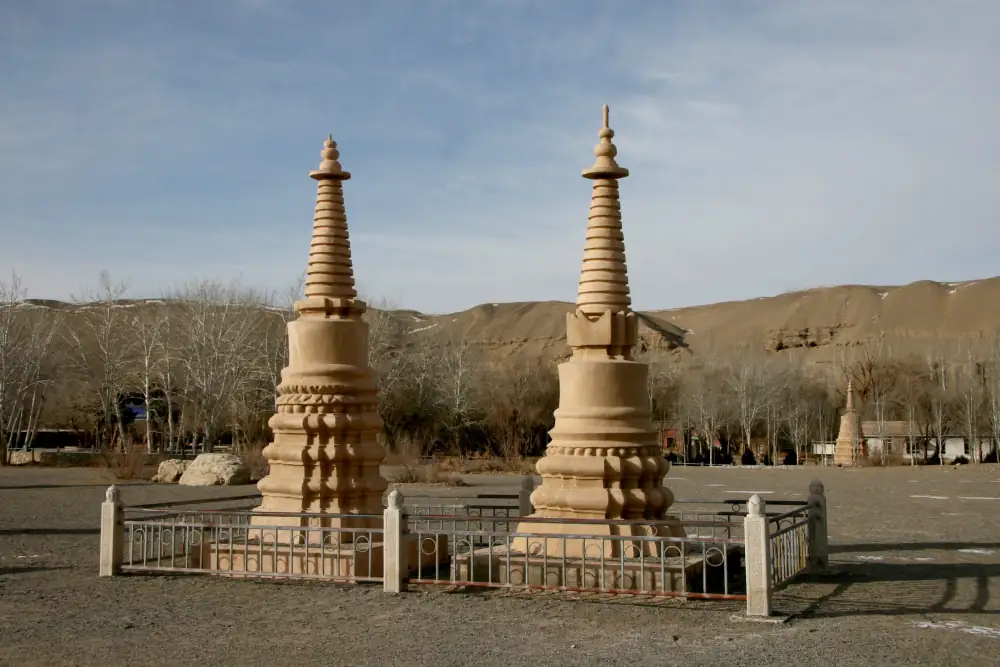
The best time to visit Northwest China is from May to October, with July and August being the peak season due to warm weather and lush scenery. Spring (April-May) and autumn (September-October) offer milder temperatures and fewer crowds, ideal for hiking and sightseeing. Winter (November-March) is cold and dry, but you’ll find fewer tourists and lower prices. Note that some high-altitude areas like Qinghai Lake can be chilly even in summer, so pack layers.
Suggested Itinerary: 10-Day Northwest China Grand Tour
This route covers the highlights of the Hexi Corridor and Qaidam Basin, starting in Xi’an and ending in Xining. Total driving distance is approximately 3,152 km (1,958 miles).
Day 1-2: Xi’an (西安)
Start your journey in Xi’an, the ancient capital of 13 dynasties. Spend two days exploring:
- Terracotta Warriors (兵马俑): The must-see UNESCO site, located about 1 hour east of the city. Book tickets in advance via the official WeChat mini-program or travel platforms.
- Xi’an City Wall: Rent a bike and cycle the 14-km perimeter for panoramic views.
- Muslim Quarter: Wander through bustling streets, sample local snacks like yangrou paomo (lamb stew with bread) and liangpi (cold noodles), and visit the Great Mosque.
- Shaanxi History Museum: Reserve tickets days ahead for a deep dive into China’s history.
Practical Tips:
- Use Alipay or WeChat Pay for most transactions; cash is accepted but less common.
- The metro is efficient for getting around; download a map app like Amap or Baidu Maps.
Day 3: Xi’an to Lanzhou (兰州)
Drive west along the Wei River valley, passing through Baoji and Tianshui. Highlights:
- Maijishan Grottoes (麦积山石窟): A stunning cliff-side Buddhist cave complex with over 7,000 statues. Allow 2-3 hours.
- Fuxi Temple (伏羲庙): Dedicated to the mythical ancestor Fuxi, with ancient cypress trees.
Arrive in Lanzhou, the capital of Gansu province, known for its beef noodle soup and the Yellow River. Walk across the Zhongshan Iron Bridge and visit the Gansu Provincial Museum to see the famous “Galloping Horse Treading on a Flying Swallow” bronze.
Getting There: The drive from Xi’an to Lanzhou takes about 6-7 hours via G30 expressway. Alternatively, take a high-speed train (3.5 hours) and rent a car in Lanzhou.
Day 4: Lanzhou to Zhangye (张掖)
Head northwest into the Hexi Corridor. Stop at:
- Wushaoling Pass (乌鞘岭): The geographical start of the Hexi Corridor, with panoramic views of the Qilian Mountains.
- Zhangye Danxia National Geological Park: Famous for its rainbow-colored rock formations. Visit in late afternoon for the best light.
Accommodation: Stay in Zhangye city, which has a range of hotels from budget to luxury.
Day 5: Zhangye to Jiayuguan (嘉峪关)
Drive to Jiayuguan, home to the westernmost end of the Ming Great Wall. Visit:
- Jiayuguan Pass (嘉峪关关城): The “First and Greatest Pass Under Heaven,” a well-preserved fortress.
- Overhanging Great Wall (悬壁长城): A section of wall clinging to a steep hillside.
Day 6: Jiayuguan to Dunhuang (敦煌)
Continue west to Dunhuang, the Silk Road oasis. Must-sees:
- Mogao Caves (莫高窟): A UNESCO World Heritage site with exquisite Buddhist murals and statues. Book tickets weeks in advance.
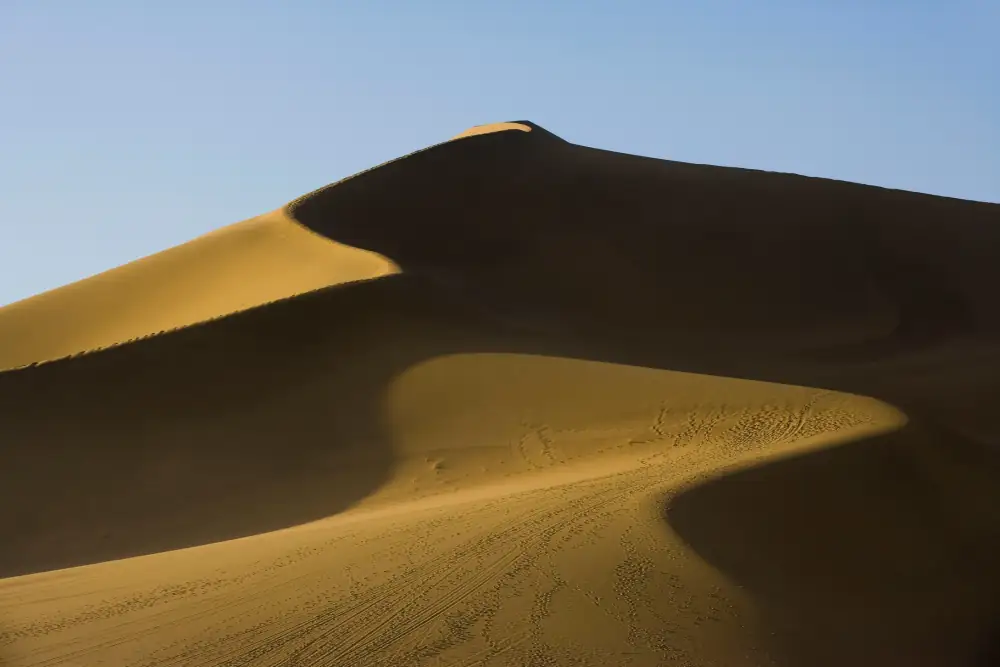
- Mingsha Mountain and Crescent Moon Spring (鸣沙山月牙泉): Ride a camel across sand dunes and watch the sunset.
Practical Tips:
- The Mogao Caves limit daily visitors; reserve via the official website or WeChat.
- Bring a scarf and sunglasses for sand protection.
Day 7: Dunhuang to Da Qaidam (大柴旦)
Cross into Qinghai Province and enter the Qaidam Basin. Highlights:
- Dangjin Mountain Pass (当金山口): A scenic mountain pass.
- Da Qaidam Emerald Lake (大柴旦翡翠湖): A stunning turquoise salt lake, perfect for photos.
Day 8: Da Qaidam to Golmud (格尔木)
Explore the Qaidam Basin’s surreal landscapes:
- U-shaped Highway on G315: A famous road that dips into the desert, creating an optical illusion.
- Water Yadan (水上雅丹): Unique Yadan landforms submerged in a lake.
- Chaka Salt Lake (茶卡盐湖): Known as China’s “Mirror of the Sky,” best visited on a calm day.
Day 9: Golmud to Qinghai Lake (青海湖)
Drive to Qinghai Lake, China’s largest saltwater lake. Enjoy cycling or hiking along the shore, and visit the Bird Island (seasonal).
Day 10: Qinghai Lake to Xining (西宁)
Conclude your trip in Xining, the capital of Qinghai. Visit the Dongguan Mosque and Ta’er Monastery (Kumbum Monastery) if time permits. From Xining, you can fly or take a train to your next destination.
Getting There & Around
By Air
Major airports include Xi’an Xianyang (XIY), Lanzhou Zhongchuan (LHW), Dunhuang (DNH), and Xining Caojiabao (XNN). Direct flights from Beijing, Shanghai, Guangzhou, and Chengdu take 1.5-3.5 hours.
By Train
High-speed rail connects Xi’an, Lanzhou, Xining, and Zhangye. For example, Xi’an to Lanzhou takes 3.5 hours. Book tickets via the official China Railway app or 12306.cn.
By Car
Renting a car offers flexibility. Use international rental companies like Hertz or local apps like Didi Chuxing (for hiring a driver). Roads are generally good, but some remote areas may have rough sections. A 4WD is recommended for off-road spots.
Where to Stay
- Xi’an: Choose the city center near the Bell Tower for convenience. Budget: Hanting Express; Mid-range: Holiday Inn; Luxury: The Westin.
- Lanzhou: Stay near the Yellow River for scenic views. Budget: 7 Days Inn; Mid-range: Lanzhou Marriott; Luxury: InterContinental.
- Dunhuang: Options near the Shazhou Night Market. Budget: Dunhuang International Youth Hostel; Mid-range: Dunhuang Silk Road Hotel; Luxury: Dunhuang Sunshine Hotel.
- Xining: Near the city center. Budget: Xining Qinghai Lake Hotel; Mid-range: Xining Marriott; Luxury: Xining Shangri-La.
Food to Try
- Lanzhou Beef Noodle Soup (兰州牛肉面): A hearty breakfast staple.
- Hand-Grabbed Lamb (手抓羊肉): Tender, flavorful lamb served with cumin and chili.
- Zhangye Cold Noodles (张掖搓鱼面): A local specialty.
- Dunhuang Lvyou Feng (敦煌驴肉黄面): Donkey meat with yellow noodles.
- Xining Yogurt (西宁酸奶): Thick, tangy, and refreshing.
Practical Tips for International Travelers
- Visa: Most travelers need a tourist visa (L visa). Apply at a Chinese embassy or consulate in advance. For short layovers, check if you qualify for the 144-hour transit visa-free policy.
- Mobile Payment: Alipay and WeChat Pay are widely used. Set up an account with your international credit card before arrival.
- Language: English is not widely spoken in remote areas. Download a translation app like Google Translate or Pleco.
- Health: Altitude sickness can occur above 2,500m. Drink plenty of water, avoid alcohol, and consider taking medication like acetazolamide.
- Etiquette: Respect local customs, especially in religious sites. Dress modestly, remove shoes when entering mosques or temples, and ask before taking photos of people.
For more travel ideas, check out our China itineraries and food guides.
Costs
- Accommodation: Budget hotels ¥150-300/night; mid-range ¥300-600; luxury ¥600+.
- Meals: Street food ¥20-50; restaurant meals ¥50-150 per person.
- Entrance Fees: Major attractions range from ¥30-120. Some, like Mogao Caves, require advance booking.
- Transport: Car rental ¥300-500/day; high-speed train Xi’an to Lanzhou ¥200-300.
FAQ
Q: Is it safe to drive in Northwest China? A: Yes, roads are generally well-maintained, but some remote areas have rough sections. Always carry a spare tire, water, and snacks. Use GPS or offline maps.
Q: Do I need to book tickets for the Mogao Caves in advance? A: Absolutely. The caves limit daily visitors, especially in peak season. Book at least a week ahead via the official WeChat mini-program or website.
Q: What should I pack for a Northwest China road trip? A: Pack layers for varying temperatures, sunscreen, sunglasses, a hat, comfortable walking shoes, and a reusable water bottle. A power bank and offline map app are also useful.
Q: Can I use credit cards in Northwest China? A: Credit cards are accepted in major hotels and some restaurants, but cash and mobile payments (Alipay/WeChat Pay) are more common. Carry some cash for small vendors.
Q: How do I deal with altitude sickness? A: Ascend gradually, stay hydrated, avoid overexertion, and consider taking acetazolamide. If symptoms worsen, descend to lower altitude.
Q: What is the best way to get around without a car? A: High-speed trains connect major cities, and buses serve smaller towns. For flexibility, consider hiring a private driver or joining a small group tour.
For more on the region’s history, see our Silk Road culture page.