
Hohhot (呼和浩特, Hūhéhàotè), the capital of Inner Mongolia, is a treasure trove of history where Mongol, Han, and Tibetan cultures meet. This 3-day heritage walk takes you to 13 national-level protected cultural heritage sites (全国重点文物保护单位, guójiā zhòngdiǎn wénwù bǎohù dānwèi), plus a few provincial sites. From ancient lamaseries and pagodas to a princess palace and a Qing-era railway station, this itinerary is perfect for history buffs and culture enthusiasts who want to dive deep into northern China’s past.
Table of contents
Open Table of contents
Day 1: City Center Lamaseries and Towers
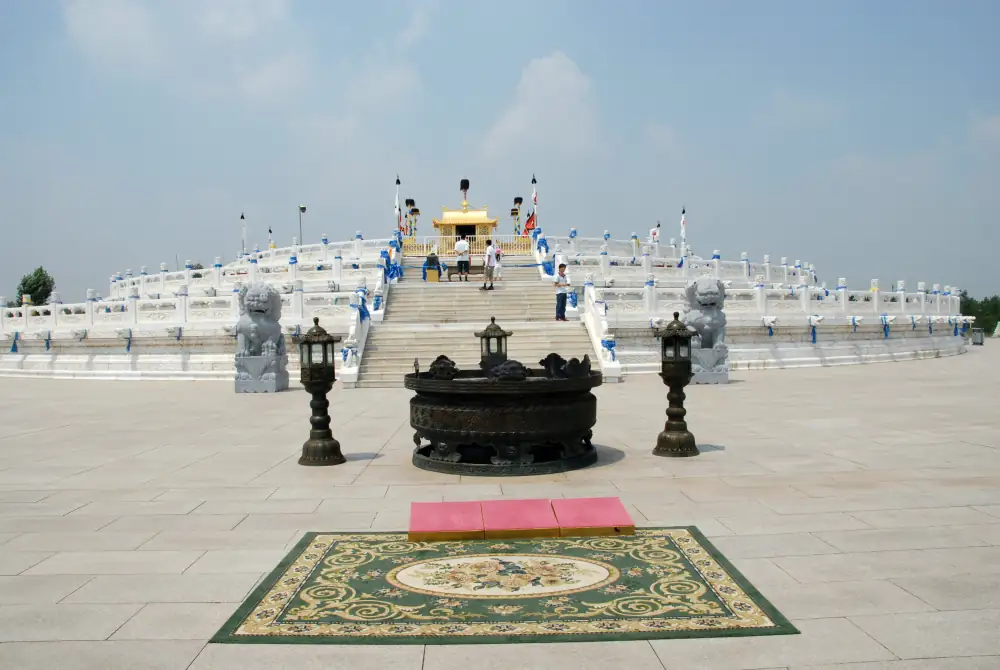
1. Wusutu Zhao (乌素图召, Wūsùtú Zhào) and Zhao Dynasty Great Wall (赵长城, Zhào Chángchéng)
Start your day by taking a taxi or ride-hailing (Didi) to Wusutu Zhao, about 20 minutes from the city center. This Tibetan Buddhist monastery complex is less crowded than others, with beautifully restored halls. Don’t miss the ancient bodhi tree in the courtyard. At the back of the monastery, you’ll find a new white stupa; behind it lies a section of the Zhao Dynasty Great Wall (built during the Warring States period, 4th–3rd century BC). It’s a short walk and easy to overlook, so keep an eye out.
Tip: Wusutu Zhao is free to enter. Combined with the Great Wall, this stop takes about 1 hour.
2. Dazhao Temple (大召, Dàzhào)
Take a taxi to Dazhao Temple, the most famous lamasery in Hohhot. Founded in 1579, it’s a sprawling complex with exquisite murals, gilded Buddha statues, and intricate mandalas. The main hall is particularly impressive. However, it’s also the busiest, so expect crowds.
- Admission: ¥35 (pay by Alipay/WeChat Pay at the gate)
- Time needed: 1–1.5 hours
3. Xilituzhao Temple (席力图召, Xílìtúzhào)
Just across the street from Dazhao, Xilituzhao is a smaller but equally charming monastery. Its highlight is a magnificent white stupa (白塔, báitǎ) in the courtyard, adorned with intricate carvings. The temple halls are also worth exploring.
- Admission: ¥25
- Time needed: 45 minutes
Which temple to choose? If you only have time for one, pick Dazhao for its grandeur. For a quieter experience with fewer tourists, choose Wusutu Zhao (plus you get the Great Wall).
4. Five Pagoda Temple (五塔寺, Wǔtǎ Sì)
From Xilituzhao, rent a shared bike (Mobike or HelloBike) and ride 10 minutes to the Five Pagoda Temple. This small temple features a stunning Ming-style pagoda with five spires, set in a peaceful courtyard. It’s a photographer’s dream, especially in the late afternoon light.
- Admission: Free
- Time needed: 30–45 minutes
5. & 6. Catholic Church (天主堂, Tiānzhǔtáng) and Great Mosque (清真大寺, Qīngzhēn Dàsì)
Cycle or take a taxi to the adjacent Catholic Church and Great Mosque. The Catholic Church (built 1924) is a neo-Gothic building; you can’t take photos inside, but you can snap a picture from the riverbank opposite. The Great Mosque, with its minaret and Arabic calligraphy, is a serene spot. The surrounding Huimin District is home to the lively Kuanxiangzi (宽巷子) food street, perfect for lunch or dinner.
Tip: If you prefer, swap the order and visit these after Dazhao, then head to Kuanxiangzi for dinner. Alternatively, Xilituzhao is near the famous shaomai (烧卖, steamed dumplings) street.
Day 2: Suburban Sites – Zhaojun Tomb, White Pagoda, and Fengzhou Ancient City
7. Zhaojun Tomb (昭君博物院, Zhāojūn Bówùyuàn)
Take metro Line 1 to the end station (Bayan, 坝堰), then taxi about 10 minutes to the Zhaojun Tomb complex. This is the legendary burial site of Wang Zhaojun, a Han dynasty lady who married a Xiongnu chieftain to secure peace. The museum has modest collections but the tomb mound and surrounding park are pleasant.
- Admission: Free (register with ID/passport)
- Time needed: 1–1.5 hours
8. Baita Railway Station (白塔火车站, Báitǎ Huǒchēzhàn)
From Zhaojun Tomb, taxi to Baita (White Pagoda) area. The old railway station, built in 1921 during the Republic of China era, is a charming brick building with a small museum inside. There’s also a creative park nearby (mostly empty shops).
9. White Pagoda (白塔, Báitǎ) and Fengzhou Ancient City (丰州故城, Fēngzhōu Gùchéng)
Walk or taxi a short distance to the White Pagoda, a Liao dynasty (10th–12th century) brick pagoda standing 55 meters tall. It’s remarkably well-preserved and a true hidden gem. The adjacent Fengzhou Ancient City site has a small museum with artifacts from the Liao, Jin, and Yuan dynasties. The city walls are mostly gone, but you can see the layout.
Note: Taxis are scarce here, so book a Didi in advance or arrange a driver for the day.
- Admission: Free (museum may require ID)
- Time needed: 1.5–2 hours total
Day 3: City Center – Princess Palace, General’s Yamen, and City Wall
11. Princess Palace (公主府, Gōngzhǔ Fǔ)
Take a taxi or bus to the Princess Palace, the only well-preserved Qing dynasty princess residence in China. It belonged to a daughter of the Kangxi Emperor who married a Mongol prince. The museum details her life, Qing court customs, and Mongol-Han relations.
- Admission: Free (register with passport)
- Time needed: 1–1.5 hours
12. General’s Yamen (将军衙署, Jiāngjūn Yáshǔ)
A short taxi or bus ride away, the General’s Yamen was the administrative center of Qing and Republican-era Mongolia. The complex includes offices, living quarters, and a newly opened underground bunker from the Republican period. It’s fascinating for history buffs.
- Admission: Free
- Time needed: 1–1.5 hours
13. Suiyuan City Wall (绥远城墙, Suíyuǎn Chéngqiáng)
From the Yamen, rent a shared bike and ride 5 minutes to the remaining section of the Suiyuan city wall. It’s a short stop – just a stretch of rammed earth and brick, but it’s a national protected site.
14. Hohhot Museum (呼和浩特博物馆, Hūhéhàotè Bówùguǎn)
End your heritage tour at the Hohhot Museum (also called the White Horse Museum). It recently reopened with a new exhibition covering the region’s history from prehistoric times to the Qing dynasty. The collection is excellent and the museum is rarely crowded.
- Admission: Free (passport required)
- Time needed: 1.5–2 hours
Getting There & Around
- By air: Hohhot Baita International Airport (HET) has direct flights from Beijing (1.5 hours), Shanghai (2.5 hours), and other major cities. From the airport, take metro Line 1 to the city center (40 minutes).
- By train: Hohhot has two main stations: Hohhot Station (呼和浩特站) and Hohhot East Station (呼和浩特东站). High-speed trains from Beijing take about 2.5 hours (¥150–200).
- Getting around: The metro (Line 1 and Line 2) covers most central areas. For suburban sites, use Didi (ride-hailing) or taxis. Shared bikes are great for short hops.
Best Time to Visit
Spring (April–May) and autumn (September–October) offer mild weather and fewer crowds. Summer (June–August) is warm but can be rainy; winter (November–March) is cold but the sites are less crowded.
Where to Stay
Stay in the city center near Dazhao or Xinhua Street for easy access to most sites. Budget options: youth hostels (¥80–150/night). Mid-range: chain hotels like Hanting or Home Inn (¥200–350). Luxury: Shangri-La Hotel (¥600+).
Food Highlights
Don’t miss Hohhot’s signature dishes:
- Shaomai (烧卖): Steamed dumplings filled with mutton and green onion. Best enjoyed at the shaomai street near Xilituzhao.
- Hot pot (火锅): Mongolian-style lamb hot pot.
- Dairy products: Fresh yogurt, milk tea, and cheese.
Practical Tips
- Payments: Alipay and WeChat Pay are widely accepted. Carry some cash for small vendors.
- Visa: Most foreigners need a visa. The 144-hour transit visa is available at major ports, but not for overland entry. Check your nearest Chinese embassy.
- Etiquette: Remove shoes when entering temple halls. Dress modestly (cover shoulders and knees). Don’t point your feet at Buddha statues.
- Language: English is not widely spoken. Download a translation app (e.g., Pleco) and have key phrases ready.
For more itinerary ideas, check our China itineraries and northern China guides. If you’re interested in Inner Mongolia’s vast grasslands, see our Inner Mongolia travel tips.
FAQ
Q: Do I need to book tickets in advance for these sites? A: Most sites accept walk-in entry with payment via Alipay/WeChat Pay. For free sites, you may need to show your passport. No advance booking is required.
Q: Can I visit all 13 sites in 3 days? A: Yes, with the suggested itinerary. However, if you prefer a slower pace, you can extend to 4 days by adding a day for the grasslands or the Inner Mongolia Museum.
Q: Is it safe to use shared bikes in Hohhot? A: Yes, bike-sharing is safe and popular. Use apps like Mobike or HelloBike (requires Chinese phone number). Alternatively, you can rent a bike from your hotel.
Q: Are there English audio guides or signage? A: Most sites have limited English signage. Dazhao and the Princess Palace have some English descriptions. Consider hiring a private guide or downloading a translation app.
Q: What should I wear when visiting temples? A: Dress modestly – cover shoulders and knees. Remove shoes before entering main halls. Hats are usually allowed, but remove them in prayer halls.
Q: Can I pay with foreign credit cards? A: International credit cards are rarely accepted. Use Alipay (link your foreign card) or WeChat Pay (requires a Chinese bank account). Carry enough cash for small purchases.
Q: Is photography allowed inside temples? A: Photography is usually allowed in courtyards and halls, but flash is often prohibited. Some sites (like the Catholic Church) forbid interior photos. Always check signs or ask staff.
Q: How do I get to the suburban sites (Zhaojun Tomb, White Pagoda) without a car? A: Take metro Line 1 to Bayan station, then taxi. For the White Pagoda area, taxis are scarce; use Didi or arrange a driver for the day (around ¥300–400).