
Yunnan is China’s most diverse province — in geography, culture, cuisine, and biodiversity. It borders Myanmar, Laos, and Vietnam; its elevation ranges from 76m in the tropical valleys to 6,740m on the Meili Snow Mountains. Within its borders live 26 of China’s 55 officially recognized ethnic minority groups. No other province in China offers this range of experience within a single 10-day circuit.
This itinerary covers the classic Yunnan route with one branch option depending on your interests. The province rewards slow travel, but 10 days done efficiently shows you enough to understand what makes Yunnan different.
Table of contents
Open Table of contents
Getting In and Around Yunnan
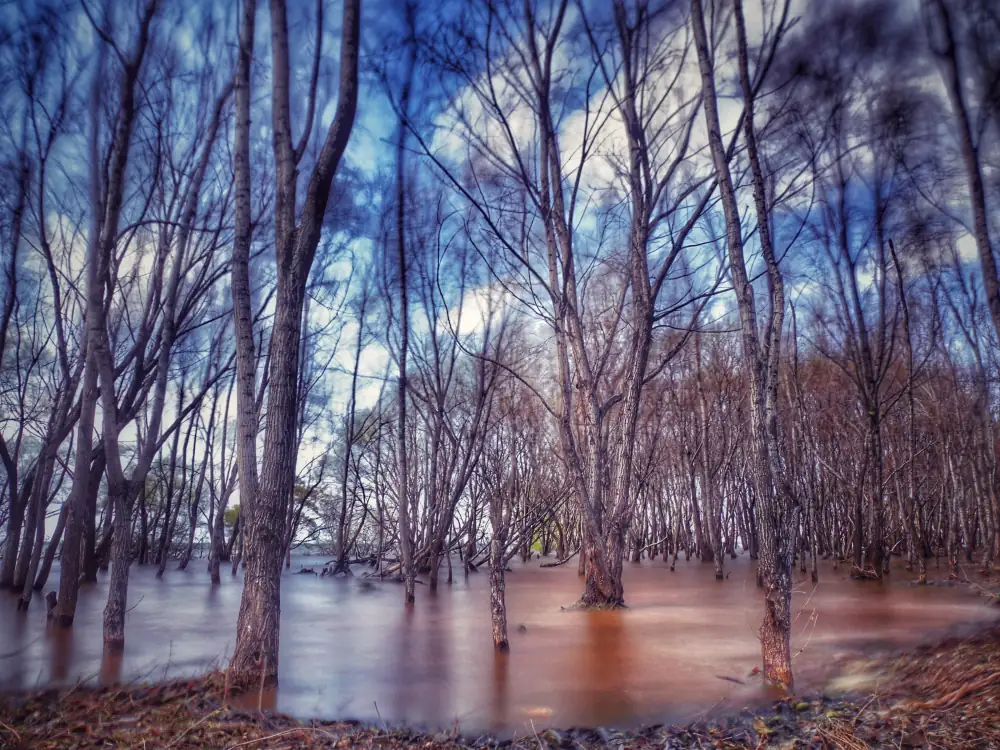
Entry point: Kunming Changshui International Airport (KMG) is the main hub, with international connections to Southeast Asia and domestic flights from everywhere in China.
Getting around: Yunnan now has a growing high-speed rail network:
- Kunming → Lijiang: 3.5 hours by HSR (¥160)
- Kunming → Dali: 2 hours by HSR (¥110)
- Lijiang → Dali: 1.5 hours by HSR (¥75)
Bus networks fill the gaps. Overnight sleeper buses are still used for longer routes like Kunming → Xishuangbanna (10-12 hours, ¥150-200).
Altitude: Kunming sits at 1,900m, Lijiang at 2,400m. Mild altitude effects are possible for visitors from sea level. Neither is high enough to cause serious problems in healthy adults.
Days 1-2: Kunming
Kunming (昆明) is called the “Spring City” (春城) because of its mild year-round climate. As a starting point for Yunnan, it’s underrated — most visitors rush through to Lijiang, but Kunming has excellent food, a genuinely interesting ethnic diversity in its markets, and some undervisited sights.
Stone Forest
Stone Forest (石林, ¥160) is 90km east of Kunming — a UNESCO geological park of jagged limestone formations rising from a flat limestone base. The formations are up to 30m high and cover 350km². The Sani people (a Yi subgroup) are the indigenous inhabitants; the sani embroidered crafts in the surrounding market are the best quality in Yunnan.
Getting there: Direct buses from Kunming East Bus Station (¥30, ~90 minutes). Full day trip.
Old Street & Golden Temple
Wenhua Alley (文化巷) and the surrounding university area streets near Yunnan University have Kunming’s best café culture — excellent coffee (Yunnan produces some of China’s best arabica beans), bookshops, and independent restaurants. Prices are significantly lower than in Lijiang.
Golden Temple (金殿, ¥30) northeast of the city is the largest bronze Buddhist temple in China — the main hall is cast entirely in bronze, including the “copper walls” that give it a warm glow in the afternoon light. The surrounding park has 50,000 camellia trees that bloom magnificently December-March.
Yunnan cuisine in Kunming: Don’t leave without eating crossing bridge noodles (过桥米线, ¥25-50) at one of the old-style noodle restaurants — it originated in the city and the Kunming version is the definitive one. Also try steam pot chicken (汽锅鸡, ¥80-120 per pot) and erkuai (饵块, rice cake stir-fried or grilled, ¥15-20).
Days 3-5: Lijiang
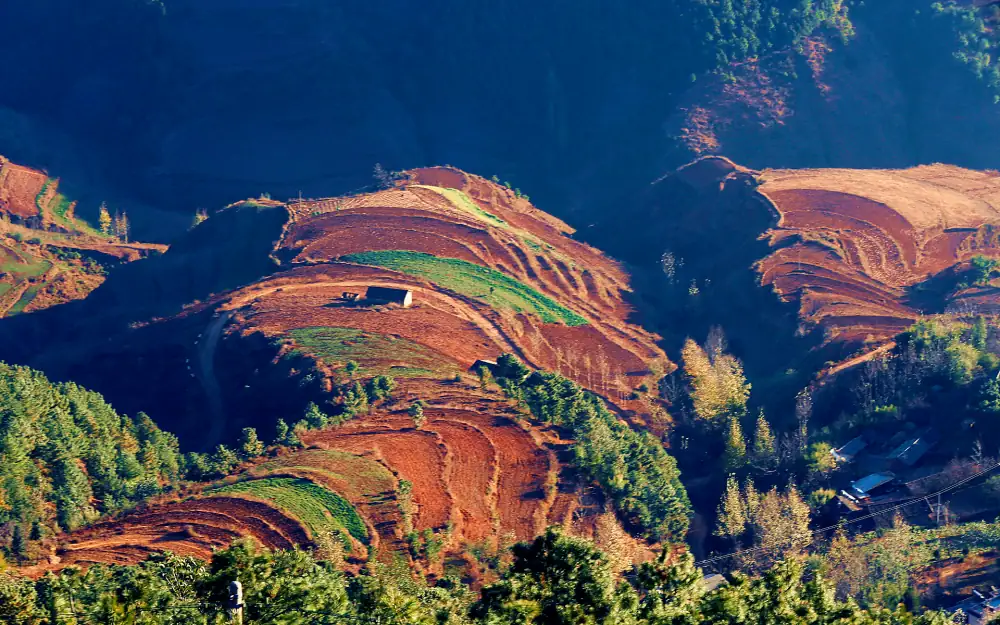
Journey: HSR Kunming → Lijiang, 3.5 hours, ¥160.
Already covered in detail in our dedicated Lijiang guide, but briefly:
Day 3: Explore Lijiang Old Town (Dayan UNESCO area), Mu Family Mansion (¥60), Black Dragon Pool (¥80). Evening in the bar streets.
Day 4: Day trip to Jade Dragon Snow Mountain (¥130 + ¥280 cable car). Full day.
Day 5: Shuhe Ancient Town (4km north, free), Tiger Leaping Gorge half-day option (60km north, 1.5 hours by minibus).
Accommodation: Budget-friendly to mid-range courtyard guesthouses in the old town at ¥200-500/night. Book ahead during October and holidays.
Days 6-7: Dali
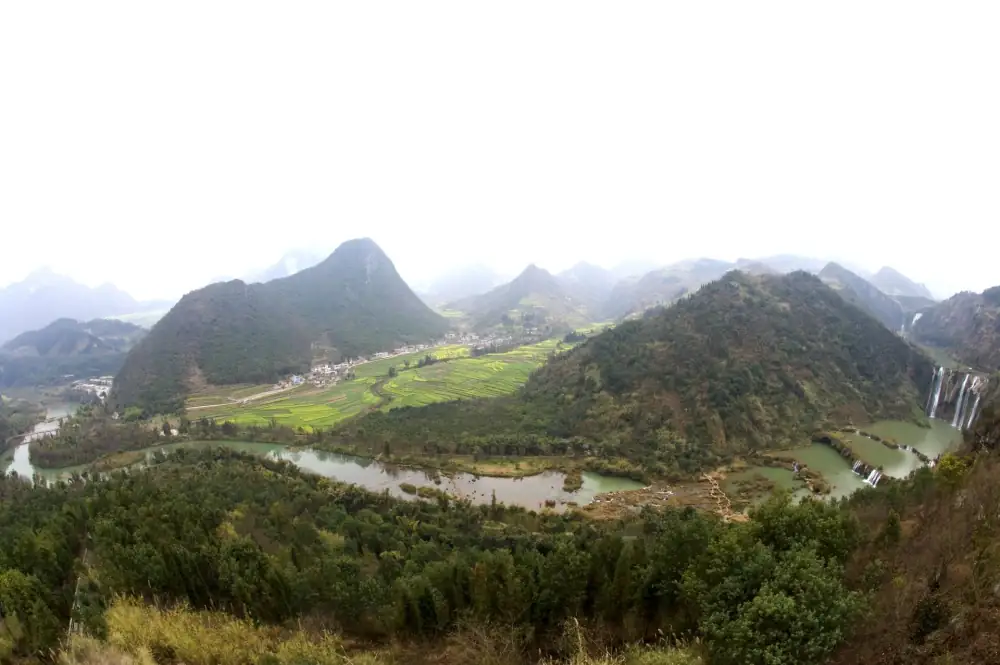
Journey: HSR Lijiang → Dali, 1.5 hours, ¥75.
Dali (大理) is the old capital of the Bai Kingdom — a distinct ethnic minority with a matriarchal social structure and an architecture of whitewashed walls with tiled roofs, painted with fish and birds. The setting is exceptional: the city faces Erhai Lake (洱海) to the east and the Cangshan Mountain (苍山) massif to the west.
Dali Old Town
The Dali Old Town (大理古城, ¥30 maintenance fee) is smaller and less commercialized than Lijiang. The main street (Huguo Road, 护国路) has a long-established backpacker scene with cheap guesthouses, Yunnan coffee shops, and second-hand bookstores that have been here for decades.
Foreigner Street (洋人街) is the old backpacker hub — still functioning, prices have gone up, but it retains a laid-back energy unusual in Chinese tourist towns.
Erhai Lake
Erhai Lake (洱海) is 40km long and one of China’s highest freshwater lakes (1,966m). Cycling around the lake is the classic Dali activity — the 130km full circuit takes 2 days, but the northern section (from Shuanglang to Xizhou) is the best half-day stretch.
Shuanglang (双廊) village on the east shore is the most photogenic section of the lake — Bai-style wooden houses on stilts over the water, with the Cangshan mountains reflected in the lake. It gets busy in peak season but is beautiful.
The Bai fishing boats (双桨船) on the lake are operated by Bai fishermen using trained cormorants — the birds dive for fish and bring them back to the boat. Watching a cormorant fishing session at sunrise is one of Yunnan’s distinctive experiences.
Cangshan Mountain
Cangshan (苍山) rises to 4,122m behind Dali — the cable car (苍山索道, ¥80 up, ¥60 down) accesses mid-mountain trails at 2,600m. The mountain trekking is well-organized with a 9.5km Yun Road (云上路) running horizontally across the mountain face at 2,620m, connecting multiple cable car stations.
Days 8-10 (Choose One Branch):
Branch A: Xishuangbanna (Tropical South)
Journey: Fly from Dali or Kunming → Xishuangbanna Gasa Airport (JHG), ~1 hour from Kunming. Or overnight bus from Kunming (10-12 hours, ¥150-200).
Xishuangbanna (西双版纳) is sub-tropical Yunnan — the rainforest zone along the Mekong River near the Myanmar and Laos borders. The landscape is completely different from north Yunnan: dense forest, rubber plantations, Buddhist pagodas, and the Dai people (ethnic cousins of the Thai).
Jinghong (景洪) is the capital. The Xishuangbanna Tropical Botanical Garden (西双版纳热带植物园, ¥80) is one of China’s most important — 12,000 plant species in a 1,100-hectare forest garden. Allow a full day.
The Ganlanba Dai Village (橄榄坝, ¥100) is a tourist-facing Dai cultural park but includes genuine stilted wooden Dai houses, Buddhist temples, and daily cultural performances of Dai dance and music.
Boat along the Mekong from Jinghong to the Laos border area — full-day boat tours (¥200-300) pass traditional Dai villages and jungle-covered hills.
Dai food: Completely different from typical Yunnan — sticky rice (糯米饭) as the staple, grilled fish in banana leaves (香茅草烤鱼, ¥40-60), pineapple rice (菠萝饭, ¥25-35), and Dai sausage (傣族香肠). Excellent and distinctive.
Branch B: Yuanyang Rice Terraces (Most Spectacular Option)
Journey: Overnight bus from Kunming → Yuanyang (元阳, 8-9 hours, ¥120) or from Dali via Kunming.
Yuanyang Hani Rice Terraces (元阳哈尼梯田, UNESCO, ¥100) are the most dramatic rice terraces in China — 3,000 years of accumulated construction by the Hani people across 16,000 hectares of mountain. At the right time of year, the water-filled paddies reflect the sky like mirrors, creating a visual that changes minute by minute with the light.
Best times: November-April when the paddies are flooded and reflecting. Sunrise and sunset are the essential times — the light on the water creates colors from deep purple to molten gold.
The three main viewpoints: Duoyishu (多依树, best for sunrise), Bada (坝达, good variety of terrace age), Laohuzui (老虎嘴, best for scale and drama).
Stay 2-3 nights in Yuanyang Town or the higher village of Xinjie to properly do sunrise and sunset at different viewpoints.
Practical Information
| Item | Cost |
|---|---|
| Kunming Stone Forest | ¥160 |
| Lijiang Old Town entry | ¥80 |
| Jade Dragon Snow Mountain | ¥130 + ¥280 cable car |
| Dali Old Town entry | ¥30 |
| Cangshan cable car | ¥80 up |
| Xishuangbanna Botanical Garden | ¥80 |
| Yuanyang Rice Terraces | ¥100 |
| Kunming → Lijiang HSR | ¥160 |
| Lijiang → Dali HSR | ¥75 |
| Budget guesthouse | ¥120-250/night |
| Mid-range hotel | ¥350-700/night |
Best overall time: February-April (flowers blooming, terraces flooded, azaleas on the mountains) or September-November (clearer skies, harvest colors). Rainy season (June-August) keeps the landscape intensely green but makes some mountain roads difficult.
Food across Yunnan: Yunnan cuisine is extraordinarily varied — each ethnic community has its own culinary tradition. The province is particularly famous for its wild mushrooms (available July-September), Pu-erh tea, goat cheese (乳扇), and rice noodles. Budget ¥30-80 per meal at local restaurants; prices are lower than coastal China.