
Shaxi: The Tea Horse Road’s Forgotten Market Town
In 2001, the World Monuments Fund placed the market square of Shaxi (沙溪) — a tiny village in Yunnan’s Jianchuan County — on its list of 100 Most Endangered Sites. The description was precise: Shaxi was “the only intact ancient market town remaining on the Ancient Tea Horse Road.”
Twenty-five years later, Shaxi has been carefully restored and is now visited by discerning travellers who seek the Yunnan that Lijiang and Dali once were before commercial tourism overwhelmed them. The Friday market still operates in the same square where it has been held since the Tang dynasty. The Bai minority families still live in the same wooden courtyard houses. The stone-paved road into the hills still leads toward Tibet.
The Ancient Tea Horse Road (茶马古道)
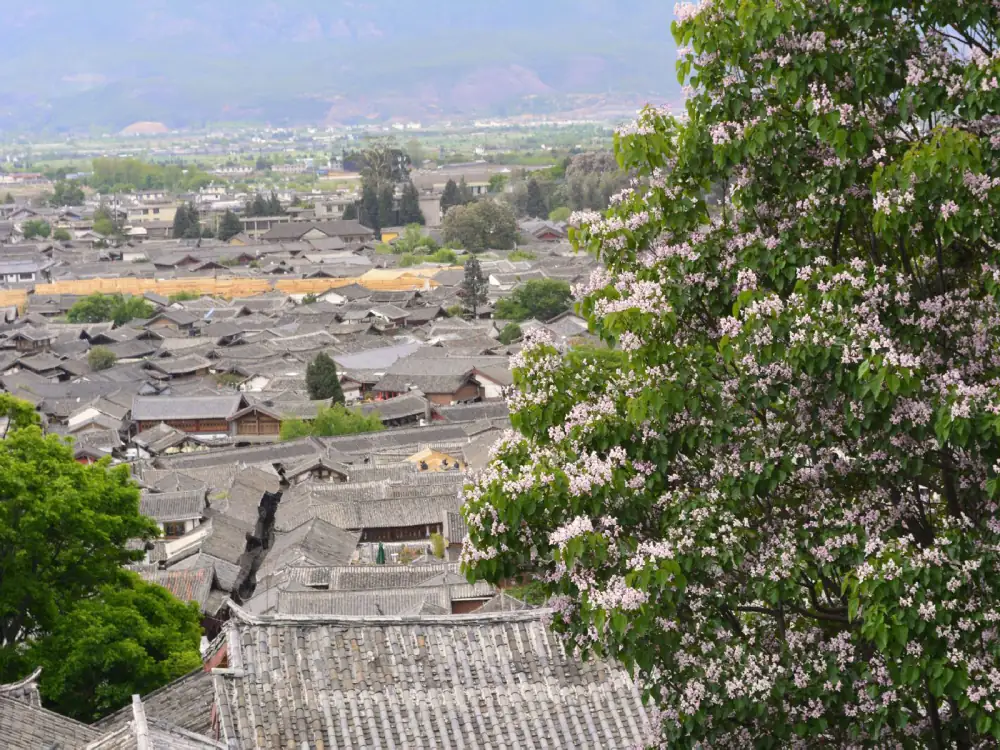
The Tea Horse Road was not a single road but a network of trade routes connecting the tea-producing regions of Yunnan and Sichuan with the horse-breeding regions of Tibet and the Mongolian plateau. Tea was essential to Tibetan diet (yak butter tea) and horses were essential to Chinese armies; the exchange sustained both economies for over 1,000 years.
Shaxi’s role: The Sideng Market in Shaxi was one of the most important caravanserai markets on the Yunnan section of the road — a place where muleteers, merchants, Tibetan traders, and local Bai farmers met weekly to exchange goods. The market square, with its inn (Kuixing Pavilion), its theatre stage, and its surrounding courtyards, was specifically designed to serve the caravan trade.
Sideng Market Square (寺登街)
The historic market square is a compact rectangle of approximately 80 × 60 metres, enclosed by:
Xinggjiao Temple (兴教寺): A Ming dynasty Buddhist temple with extraordinary interior murals in the Tibetan-influenced Yunnan style — unusual in combining Buddhist, Taoist, and Hindu iconographic elements in a single programme. The murals have been carefully conserved and are among the finest surviving examples of this syncretic tradition. Admission: ¥10.
Kuixing Pavilion (魁星阁): The old inn and stable complex — a two-storey wooden building that once accommodated muleteers and their horses. Restored and now operating as a guesthouse and small museum.
Theatre Stage (古戏台): The raised stone stage where Bai opera performances were held on market days. The stage’s carved wooden facade is well-preserved.
Market Stalls: The Friday market still occupies the square — local farmers bring vegetables, grain, and livestock; craftspeople sell woodwork and fabrics; Tibetan traders occasionally appear with goods from the plateau.
Friday Market
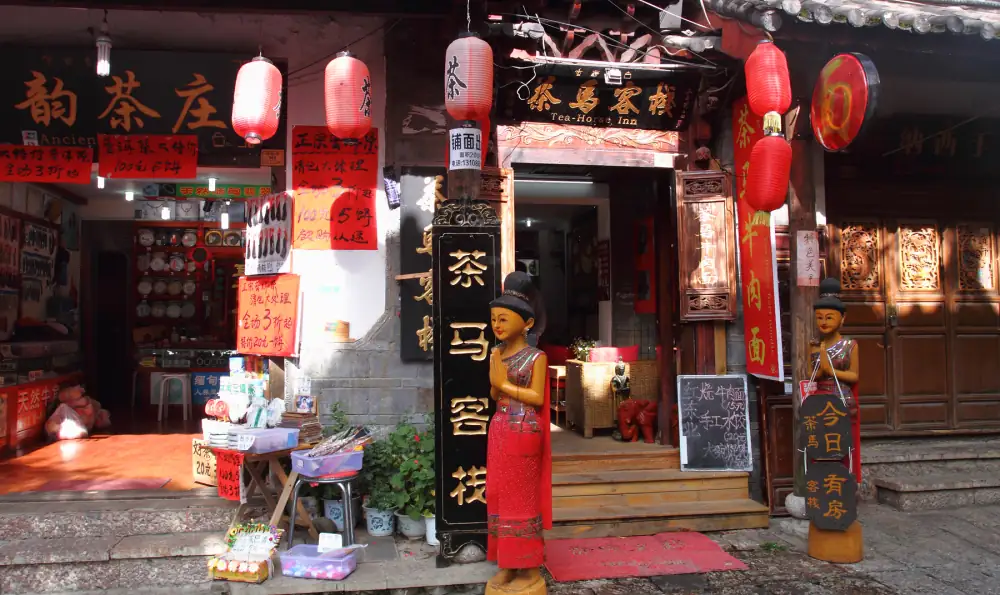
The Friday market (赶集) at Shaxi is perhaps the most authentic traditional market in Yunnan. Unlike the tourist-oriented markets of Dali and Lijiang, Shaxi’s market serves primarily local residents from surrounding villages — Bai, Yi, and Han farmers and artisans.
What’s sold: Fresh produce, live chickens, cloth by the metre, hardware, traditional herbal medicine, local honey, home-produced grain wine, handmade baskets and wooden tools.
Photography: The market is a genuine community gathering; ask permission before close-up portraits; accept that some vendors will decline.
Best time: Arrive by 8:00 AM before the market peaks; by 13:00 most vendors are beginning to pack up.
The Surrounding Hills: Tea Horse Road Hiking
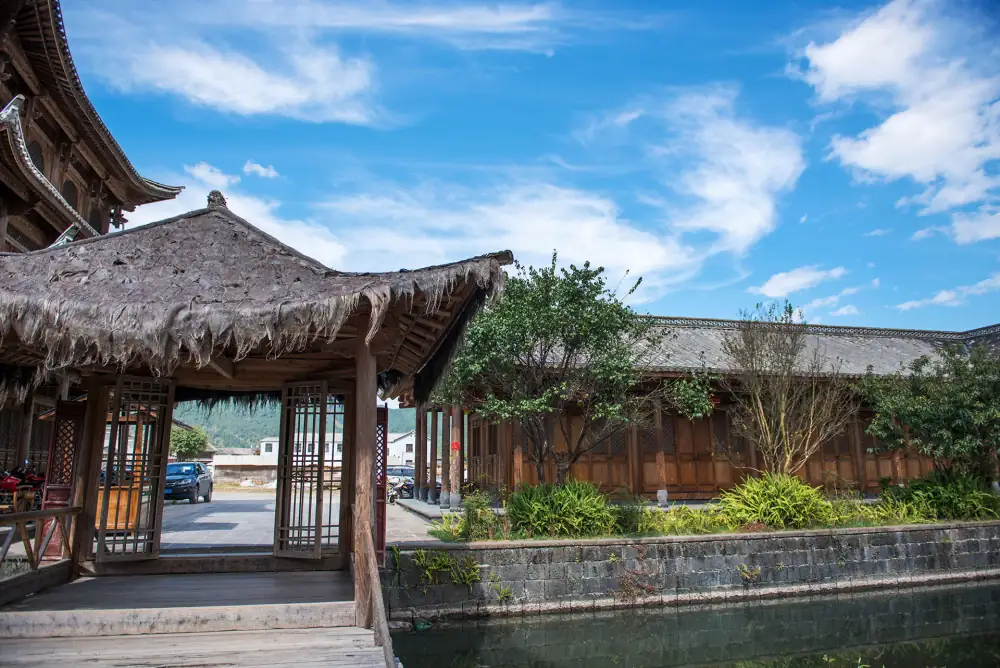
The original Tea Horse Road paths through the hills surrounding Shaxi have been partly restored for hiking. From the market square, stone-paved paths lead into the mountains:
Shibaoshan Rock Carvings (石宝山摩崖石刻): 20 km north, a mountain sanctuary with Tang and Song dynasty Buddhist rock carvings — some of the finest examples of Yunnan Nanzhao Kingdom religious art. A 2-hour hike or 45-minute drive.
Outer Village Circuit: A 10–12 km loop through Bai villages above the valley; the path passes tea terraces, Buddhist wayside shrines, and farmhouses where families still produce handmade wooden agricultural tools.
Where to Stay and Eat
Guesthouses in restored caravanserai buildings: Several guesthouses in the market square area have converted old caravan inn buildings; staying here places you immediately inside the historical fabric. ¥200–¥400/night.
Old Theater Inn (古戏台旁小院): The closest accommodation to the market square; basic but atmospheric.
Food: The Friday market’s cooked food section has authentic Bai breakfast dishes — grilled erjie (fermented goat cheese), erkuai rice cakes, and mixian rice noodles. Evening restaurants in the square serve Yunnan cuisine with locally-sourced ingredients.
Getting There
From Dali: Bus or taxi to Jianchuan County Town (2 hours from Dali); from Jianchuan, local bus or taxi to Shaxi (30 min). Total: 2.5 hours. From Lijiang: Similar distance; taxi charter ¥300–¥400.
Best time: Year-round; the Friday market is the key event. Avoid major Chinese national holidays when visitor numbers temporarily spike.
Shaxi is what Yunnan’s ancient towns looked like before they became famous — quiet, functional, and entirely organised around the lives of the people who actually live there. The Friday market has been held in that square for 1,300 years. Whatever was happening in the outside world, the farmers came down from the hills, and the traders arrived with their mules.