
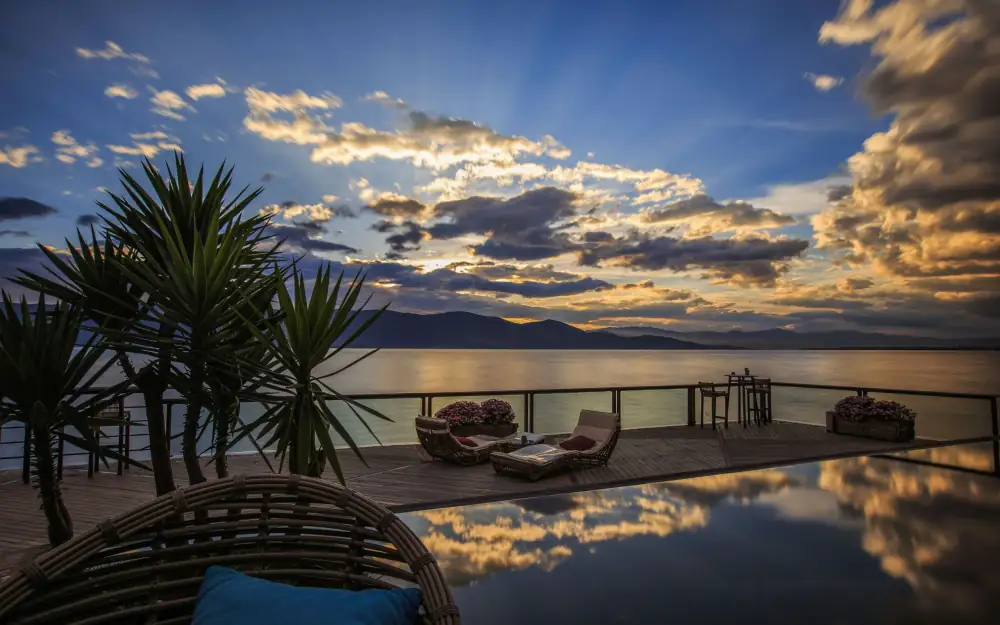
Erhai Lake at sunrise — the 250 km² lake at 1,972 metres, backed by the Cangshan mountains, at the heart of China’s most celebrated slow-travel destination
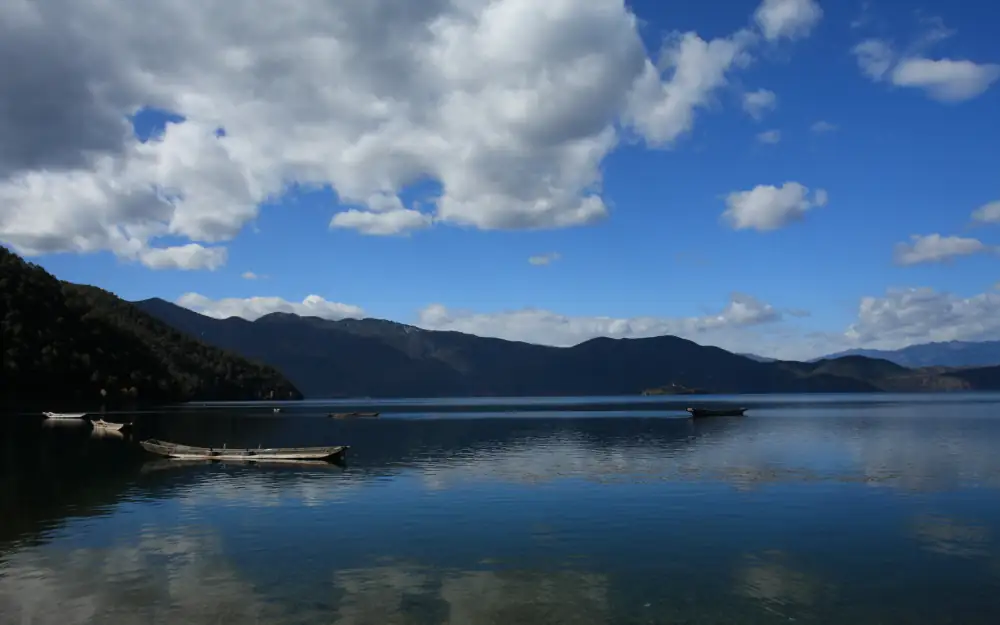
Erhai Lake (洱海) is the defining landscape of the Dali region in Yunnan — a 250 km² freshwater lake at 1,972 metres, surrounded by the Cangshan mountains (苍山) to the west and the lower hills to the east. The combination of the lake, the mountains, the Bai minority villages, and the mild climate (Dali averages 15°C year-round) has created China’s most famous slow-travel destination.
Table of contents
Open Table of contents
Cycling the Erhai Circuit
The 117 km circuit around the lake is the essential Erhai experience — at a relaxed pace covering 40–60 km per day, it takes 2–3 days and reveals every aspect of the lake and the communities living around it.
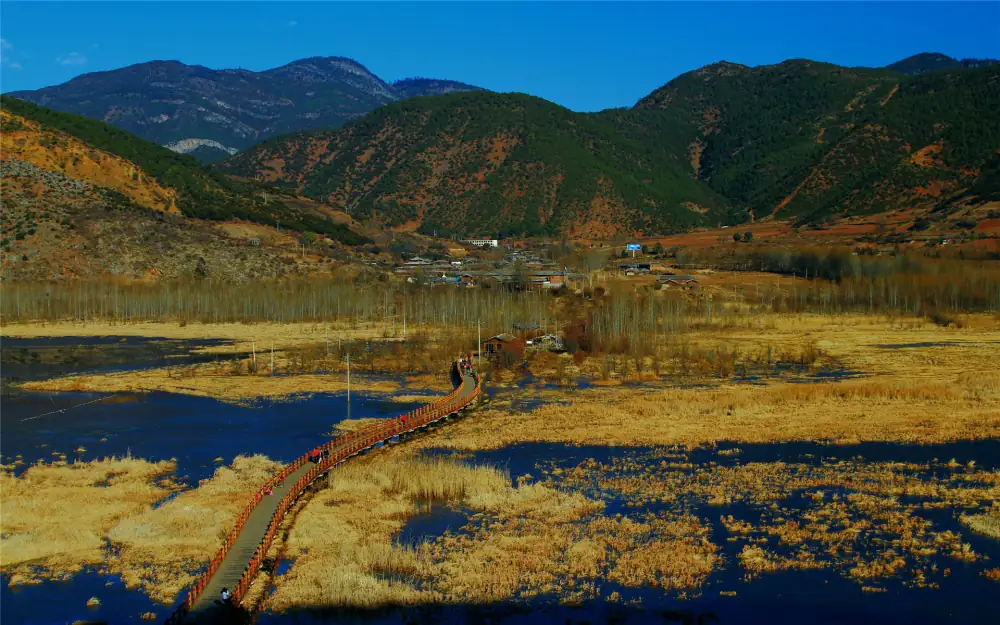
Route character: Primarily quiet agricultural roads through Bai village fields, with stretches of lakeside path, sections through small towns, and the crossing of the Erhai River delta in the south.
Bike rental: Multiple rental points in Dali Old Town and in Xiaguan (下关) — electric bikes (¥80–120/day) or regular bikes (¥30–60/day). Electric bikes recommended for the hillier east shore sections.
Key Stops on the Circuit
Haidong Sunrise (海东日出): The east shore faces west toward the Cangshan mountains — the morning reflection of the mountains in the lake, with the sunrise light from behind creating a silhouette composition, is one of the most photographed lake images in China. Timing: 6:00–7:30 AM.
Shuanglang (双廊): The most scenic small town on the lake — a former fishing village that has developed into Dali’s most atmospheric lakeside settlement, with guesthouses and cafés in traditional Bai architecture directly on the water. The narrow lanes, old Bai houses, and lake views make Shuanglang the recommended overnight stop on the circuit.
Nanzhao Fengqing Island (南诏风情岛): An island accessible by boat from the north shore — with Bai-architecture themed buildings, the large standing Guanyin statue, and views of the full lake width. ¥60 entry.
Wase Village (挖色村): The largest fishing village on the east shore — traditional cormorant fishing still practiced by some families (though now primarily for tourism photography). The Monday market draws Bai people from the surrounding hills with traditional produce and handicrafts.
Bai Minority Culture (白族)
The Bai people are the indigenous people of the Dali area — around 2 million people, concentrated in the Erhai basin. Their culture combines indigenous traditions with Tang Dynasty Chinese influences absorbed through the Nanzhao and Dali Kingdoms (7th–13th centuries).
Bai architecture: White-rendered walls with painted decorative panels (blue-grey geometric patterns at the base, ink-wash landscape paintings above), upturned roofline corners, elaborate carved wooden doorways. Every Bai village has the same structural vocabulary but individual expression.
The Three Pagodas (崇圣寺三塔): The most recognisable Dali image — three Tang Dynasty pagodas reflected in the reflection pool, with the Cangshan mountains behind. The central pagoda (Qianxun Pagoda, 千寻塔) dates to the 9th century, 70 metres high. ¥75 entry.
Bai Sanyue Je (三月街): The annual Bai festival held on the 15th–20th of the lunar third month (April/May) — originally a Buddhist gathering, now the largest market and festival in Yunnan. Horse racing, traditional music, and trading.
Practical Tips
Getting to Dali: Dali Airport (DLU) — flights from Kunming (40 min), Chengdu (2 hrs), Beijing (3 hrs). Or high-speed rail from Kunming to Dali (2 hrs).
Old Town vs the lake: The Dali Old Town (大理古城) is pleasant but heavily tourist-oriented; the lake circuit gives a much more authentic picture of the region. Base yourself in Shuanglang for the eastern lake experience or in the Old Town for town access and the Cangshan hiking.
Best season: March–May (spring, azaleas on Cangshan) and September–October (autumn, clear skies). July–August is the rainy season but still mild and green.
Last updated: May 2026