
Yunnan Province is arguably China’s most extraordinary region for travel — a single province containing tropical rainforest at its southern tip, Himalayan glaciers at its northwest, and everything in between. Sixteen officially recognised ethnic minority groups maintain living cultural traditions. Snow-capped mountains stand backdrop to ancient cobblestone towns. This is the China that travellers dream about.
Table of contents
Open Table of contents
Lijiang (丽江)
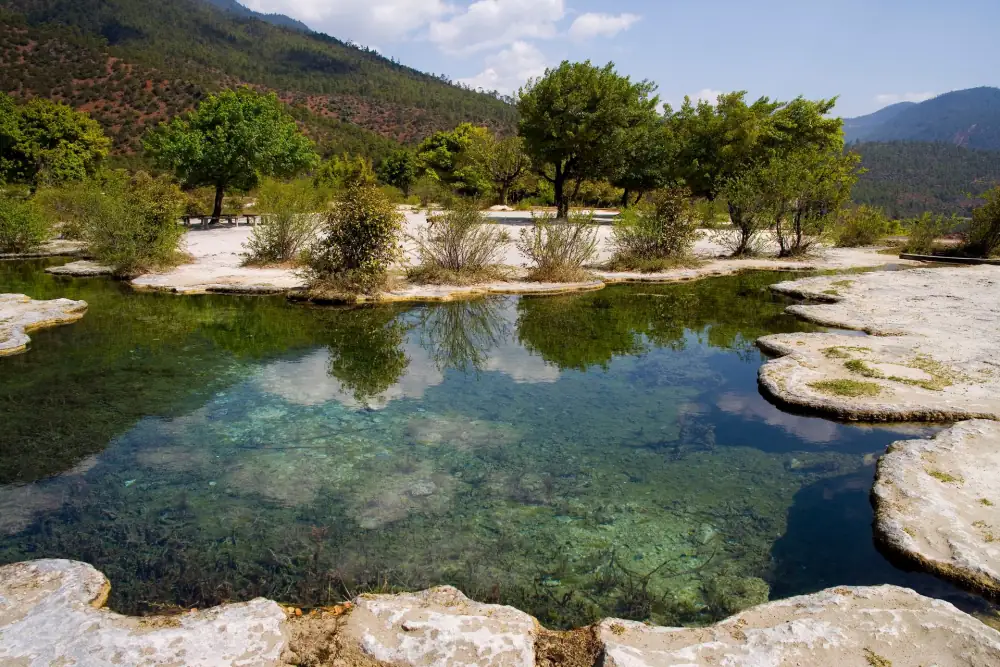
Lijiang Old Town (世界遗产)
UNESCO World Heritage since 1997. The Naxi minority town of wooden gabled buildings over a network of clear streams, preserved since the 14th century. The town suffered a 7.0 earthquake in 1996 and was beautifully rebuilt.
Key experiences:
- Wander the back alleys north of Sifang Square in the early morning before crowds
- Black Dragon Pool (黑龙潭) — the most photographic view of Snow Mountain reflected behind a Moon Bridge
- Dongba Culture Museum — documenting the Naxi people’s pictographic script system (Dongba script, still used by Naxi priests) and spiritual traditions
Evening: Traditional Naxi ancient music concert at the Dayan Ancient Music Association — a Tang Dynasty court music tradition preserved only in Lijiang. Nightly performances.
Jade Dragon Snow Mountain (玉龙雪山)
A 5,596m sacred Naxi mountain visible from Lijiang. Cable cars ascend to 4,506m.
Essential stops:
- Blue Moon Valley (蓝月谷) — three glacier-melt lakes of extraordinary turquoise; the colour is caused by suspended calcium carbonate from the glacier
- Spruce Meadow (云杉坪) — high-altitude meadow at 3,240m; accessible by gondola; wildflowers June–August
- Glacial Park — closest access to the glacier at 4,506m
Altitude note: Even moderate activity at 4,500m causes breathlessness. Take it slow; rent oxygen canisters at the top (¥20–¥30 per can).
Tiger Leaping Gorge (虎跳峡)
One of the world’s deepest gorges — the Jinsha River (upper Yangtze) cuts between Jade Dragon Snow Mountain and Haba Snow Mountain. The classic 2-day hiking trail follows the upper gorge at 2,600m elevation with dramatic views of the river 2,000m below.
Upper trail: 22km, 2 days with guesthouse at Halfway Lodge. Moderate fitness required.
Lower road: Day-trip possible by jeep; doesn’t capture the grandeur of the upper trail.
Dali (大理)
Dali Old Town (大理古城)
Bai minority walled city — whitewashed buildings inlaid with Dali marble, stone-paved streets, and the Cangshan Mountains as backdrop. Smaller commercial centre than Lijiang; more genuinely residential. The main gate (南城楼) frames a perfect view up Renmin Lu toward the mountains.
Bai culture: The Bai people (白族) are known for their distinctive white-and-blue clothing, marble craft, and “Three Cups of Tea” ceremony (三道茶) — bitter first cup, sweet second, and lingering aftertaste third; a metaphor for life’s journey.
Three Pagodas (三塔寺)
Three Tang Dynasty pagodas (9th century) at the base of Cangshan Mountain — the 700-metre reflection of all three in the foreground pond is the most photographed image in Dali. Morning light is perfect. Entry ¥75.
Erhai Lake (洱海)
A 250 km² highland lake (1,972m elevation) — cycling around the lake’s scenic highway (48km partial circuit) takes a full day and passes through a dozen distinctive Bai villages. Rent bikes in Dali Old Town (¥30–¥60/day).
Best villages around Erhai:
- Xizhou (喜洲) — the finest traditional Bai architecture; Ben Benali Compound is extraordinary
- Shuanglang (双廊) — artist colony and lakeside boutique accommodation; spectacular sunset views
Shangri-La (香格里拉)
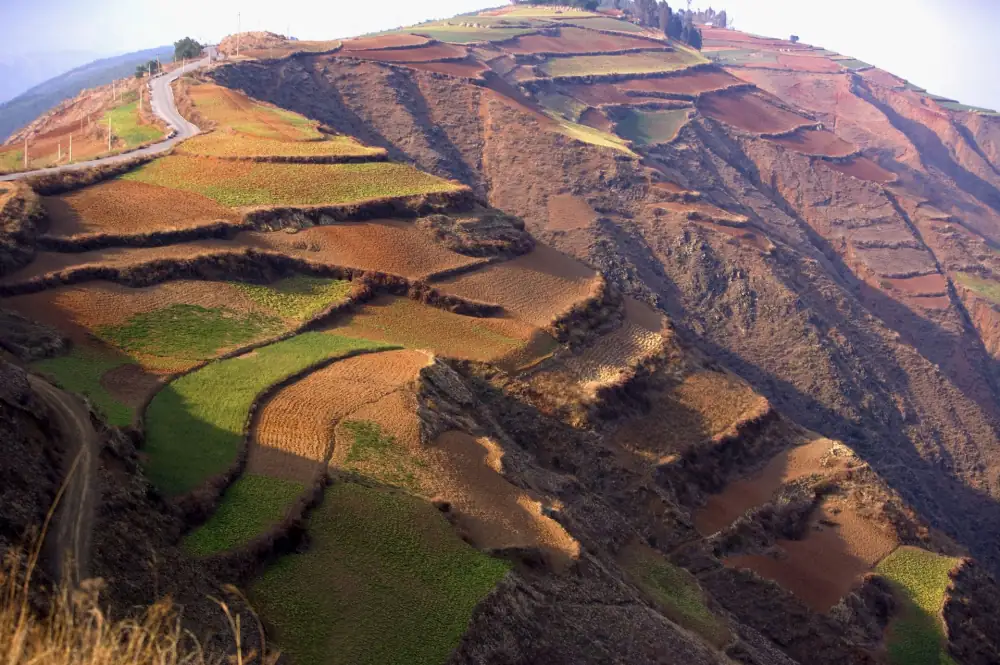
The Tibetan plateau town in northwest Yunnan at 3,280m elevation — named after James Hilton’s fictional Himalayan paradise partly as a tourism initiative in 2001. The choice proved prescient: the area genuinely matches the mythical description.
Ganden Sumtseling Monastery (噶丹松赞林寺)
The largest Tibetan Buddhist monastery in Yunnan — 700+ monks in residence, Potala Palace-style architecture climbing a hillside above the modern town. The golden roofs and white walls against mountain backdrop at sunrise are extraordinary.
Morning prayer ceremony (5:30am): Monks gather in the main assembly hall; non-intrusive visitors welcome. The most atmospheric time to visit.
Napa Lake (纳帕海)
A seasonal wetland that transforms summer grassland into a winter lake. Black-necked cranes (国家一级保护动物) winter here October–March — seeing these elegant endangered birds against the mountain backdrop is memorable.
Meili Snow Mountain (梅里雪山) — Deqin
3.5 hours from Shangri-La toward the Tibetan border — the Meili Snow Range (also called Khawa Karpo, 卡瓦格博) is among the most sacred mountains in Tibetan Buddhism. The highest peak (6,740m) has never been climbed. At sunrise, the peaks catch the first light in an “avalanche of gold” effect as the dark mountains blaze orange. The best viewpoint is from the village of Feilai Temple (飞来寺).
Sunrise viewings: Most accommodation in Feilai offers wake-up calls for 6am mountain viewing. Clear weather is necessary (cloud-free mornings: October–December, March–April).
Xishuangbanna (西双版纳)
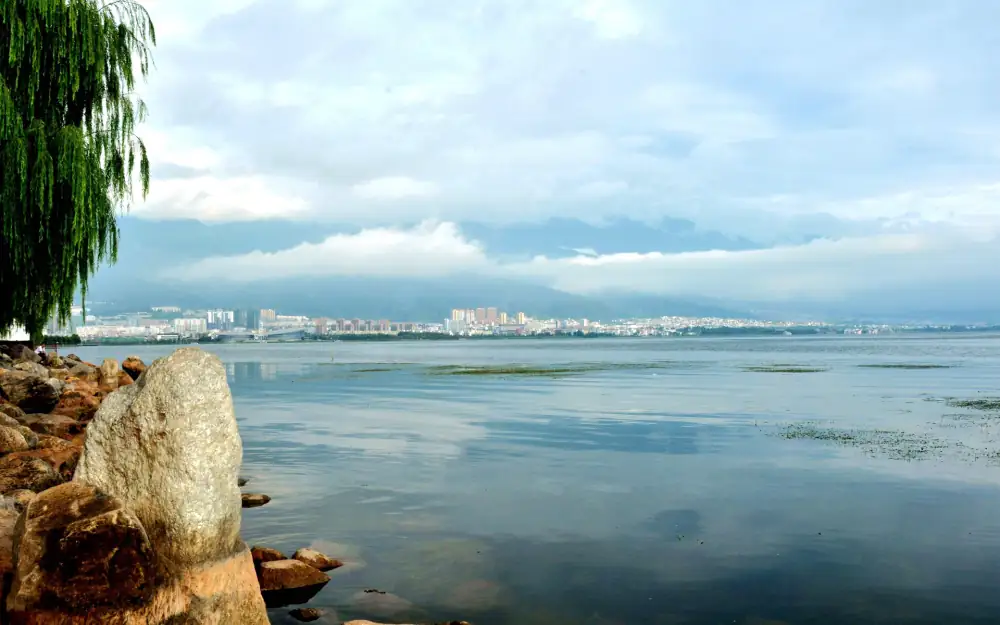
China’s only tropical rainforest — Xishuangbanna sits at the same latitude as Thailand and Myanmar and shares their ecological and cultural character. The Dai people (傣族) are Buddhist, speak a Tai language, and build temples with the same pagoda style as Thailand.
Tropical Botanical Garden (热带植物园)
Asia’s largest tropical botanical garden — 13,000 plant species across 900 hectares. The rainforest trails through primary jungle with extraordinary buttress-rooted trees and flying gibbons are unmissable. Entry ¥80.
Dai Park (傣族园)
Five traditional Dai villages on the Mekong River — still inhabited, with authentic stilted bamboo and wood houses, Buddhist temples, and daily morning ceremonies. Water Splashing Festival (泼水节, April 13–16) is one of China’s most joyful celebrations.
Mekong River (澜沧江)
The Mekong begins as the Lancang River in Tibet and flows through Xishuangbanna before entering Myanmar. Evening cruises from Jinghong (¥50) pass fishing villages and forest-covered banks.
Yuanyang Rice Terraces (元阳梯田)
One of the world’s great landscape spectacles — rice terraces carved into steep mountain slopes by the Hani people over 1,300+ years. From October to April, the terraces are flooded and mirror the sky and sunrise in spectacular reflections.
Best viewpoints:
- Duoyishu (多依树) — best sunrise viewpoint; the terraces catch the first light in layers of pink and gold. Stay in the guesthouse village.
- Bada (坝达) — larger terrace area visible; good in mist and cloud conditions
- Laohuzui (老虎嘴) — dramatic afternoon light; terraces shaped like a tiger’s mouth
Stay: Guesthouses in Duoyishu village (¥100–¥300/night) for best sunrise access. Arrive the evening before.
Getting there: Fly to Honghe (红河) Airport or bus from Kunming (5 hours) to Yuanyang county seat (新街镇).
Practical Info
Getting to Yunnan: Kunming Changshui International Airport has extensive connections. Lijiang has its own airport (flights from Kunming, Chengdu, Beijing, Shanghai).
Altitude: Shangri-La (3,280m) and higher areas require 1–2 days acclimatisation. Headaches common first day.
Best time: October–April (dry season) for Lijiang, Dali, Shangri-La. May–September for Xishuangbanna and Yuanyang (rice terraces lush green).