
Yunnan Province is home to more ethnic minority groups than any other province in China — 25 officially recognised groups out of China’s 55 total. Geography shaped this diversity: mountains, river valleys, and subtropical lowlands at the crossroads of Chinese, Southeast Asian, and Tibetan worlds. Each group maintains distinct languages, festivals, architecture, and cuisine.
Table of contents
Open Table of contents
The Dai People: Xishuangbanna
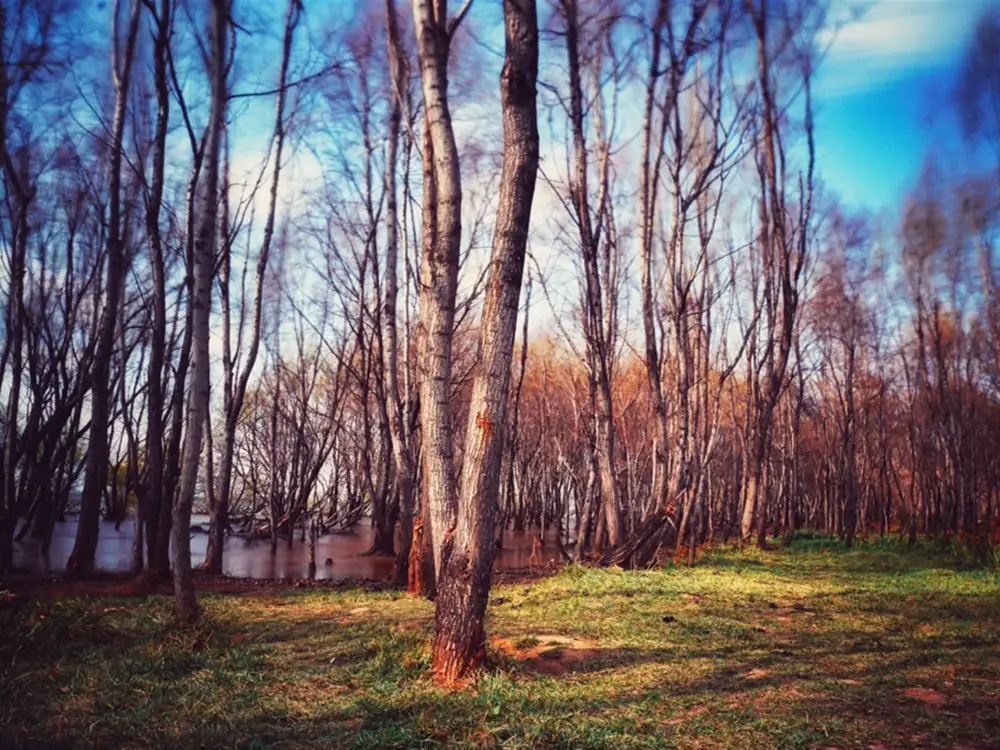
The Dai (傣族) live primarily in Xishuangbanna (西双版纳) in southernmost Yunnan, bordering Laos and Myanmar. Their Theravada Buddhist culture is closely related to Thailand, making Xishuangbanna feel dramatically different from the rest of China.
Water Splashing Festival (泼水节)
The Dai New Year celebration in mid-April (usually April 13–16) is Yunnan’s most exuberant festival. Morning Buddhist ceremonies in elaborate traditional costume give way to city-wide water battles. Being drenched brings good luck for the year ahead. Evenings see floating lantern ceremonies on the Mekong River.
Practical note: book accommodation 2–3 months ahead; prices triple during the festival.
Dai food
- Pineapple sticky rice (菠萝紫糯米饭): glutinous purple rice cooked inside a pineapple
- Lemongrass grilled fish (香茅草烤鱼): whole fish rubbed with lemongrass and charcoal-grilled
- Fresh herb salads with sour-spicy dressings influenced by Laotian cuisine
The Naxi People: Lijiang and Dongba Culture
The Naxi (纳西族) people have one of the world’s most extraordinary cultural legacies: the Dongba script (东巴文字), the world’s last pictographic writing system still in active use. Around 1,400 symbols record religious ceremonies, cosmology, and oral history.
Experiencing Dongba culture in Lijiang
- Naxi Ancient Music Society: nightly concerts in Lijiang Old Town featuring Tang and Song Dynasty music forms performed by elderly Naxi musicians
- Dongba Cultural Heritage Museum: scripts, ceremonial objects, and English explanations
- Baoshan Stone City (宝山石城): 5 hours from Lijiang; a remote Naxi village perched on a giant rock
Mosuo people and Lugu Lake (泸沽湖)
The Mosuo (摩梭) live around Lugu Lake at the Yunnan-Sichuan border. One of the world’s prominent matrilineal societies, featuring the “walking marriage” (走婚) custom: women own property and run households. For an authentic visit, stay on the Yunnan side in local guesthouses and hire a Mosuo guide.
The Bai People: Dali and Erhai Lake
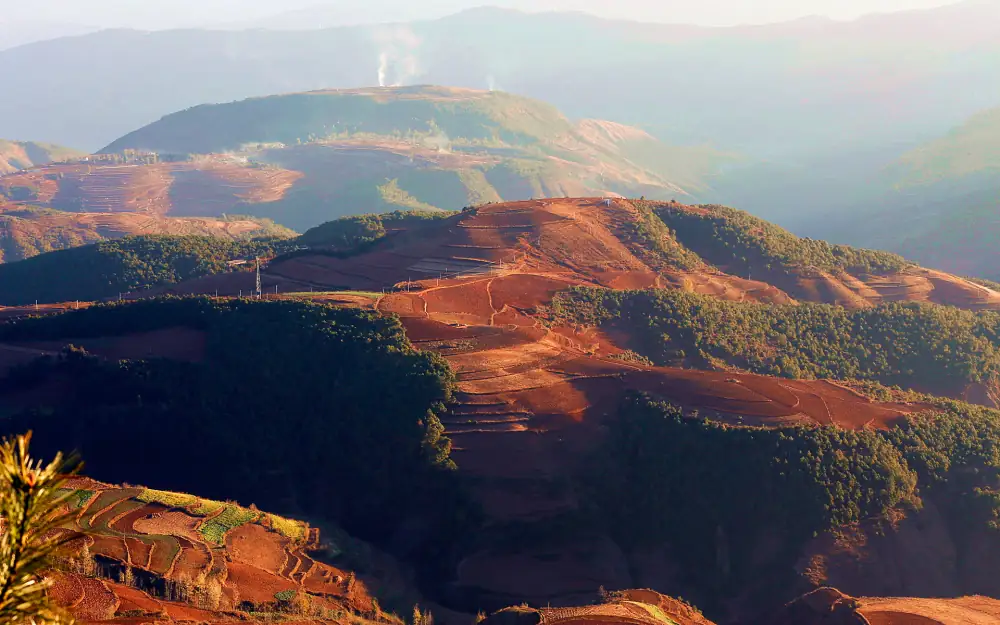
The Bai (白族) created the Nanzhao Kingdom (738–902 AD) and Dali Kingdom (937–1253 AD). Their cultural legacy includes:
- Dali’s Three Pagodas (大理三塔): Tang Dynasty Buddhist monuments in use for 1,200 years
- Bai architecture: whitewashed walls with black trim, decoratively tiled roofs
- Three-course tea ceremony (三道茶): bitter, sweet, and reflective teas representing life’s stages
Erhai Lake villages
- Xizhou (喜洲): best-preserved Bai architecture; famous for baba flatbread
- Zhoucheng (周城): centre of Bai tie-dye textile tradition; watch artisans at work
- Shuanglang (双廊): lakeside artists’ village with dramatic Erhai Lake views
The Hani People: Yuanyang Rice Terraces
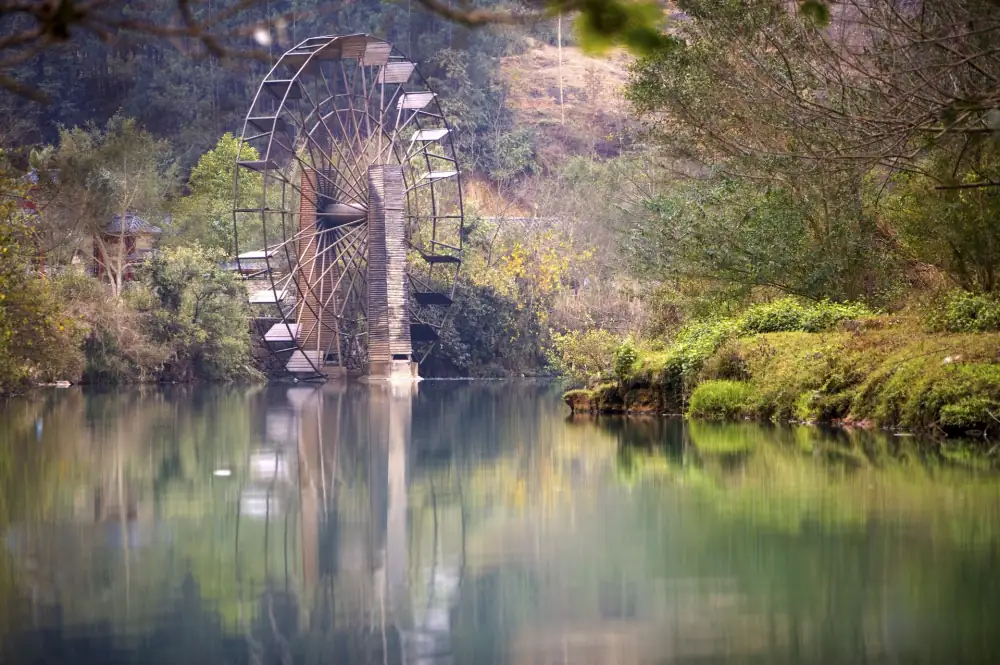
The Hani (哈尼族) carved the Yuanyang rice terraces (元阳梯田, UNESCO World Heritage Site) over 1,300 years of continuous farming. Thousands of flooded terraces cascade from mountain peaks to valley floors in Honghe Prefecture.
Best time: November–April when terraces flood with water; sunrise reflections create a mosaic of gold and silver light. Key viewpoints: Duoyishu (多依树) for sunrise, Laohuzui (老虎嘴) for dramatic cliff-edge views.
The Yi People: Torch Festival
The Yi (彝族) are Yunnan’s largest minority group, with about 5 million people across the province. The Torch Festival (火把节) — held in late July or early August (24th day of the 6th lunar month) — sees villages light massive torches, carry fire through fields, and gather for singing, dancing, and wrestling. Chuxiong Prefecture (楚雄) hosts the largest celebrations.
Visiting Respectfully
- Photography: always ask permission before photographing people at ceremonies
- Dress codes: cover shoulders and knees at religious sites
- Local guides: hire minority guides from within the community for genuine cultural insight
- Homestays: family-run guesthouses in villages at ¥80–150/night provide far deeper cultural access than hotels
- Timing: visiting one week before or after a major festival often gives better cultural access with fewer crowds
Last updated: May 2026