
The Li River cruise from Guilin to Yangshuo is rightly famous. But Yangshuo itself and the smaller, quieter Yulong River running west of town are where many visitors discover what they were actually looking for: a slow rhythm, extraordinary landscapes accessible by bicycle, bamboo raft trips on still green water between limestone peaks, and a small-town atmosphere that rewards staying more than a single day.
Yangshuo has been a traveller’s stop since the backpacker era of the 1980s. The main commercial strip (West Street) has become fully tourist-oriented. But the surrounding valley — 15 minutes by bicycle from town — is as remarkable as it ever was.
Table of contents
Open Table of contents
Essential Information
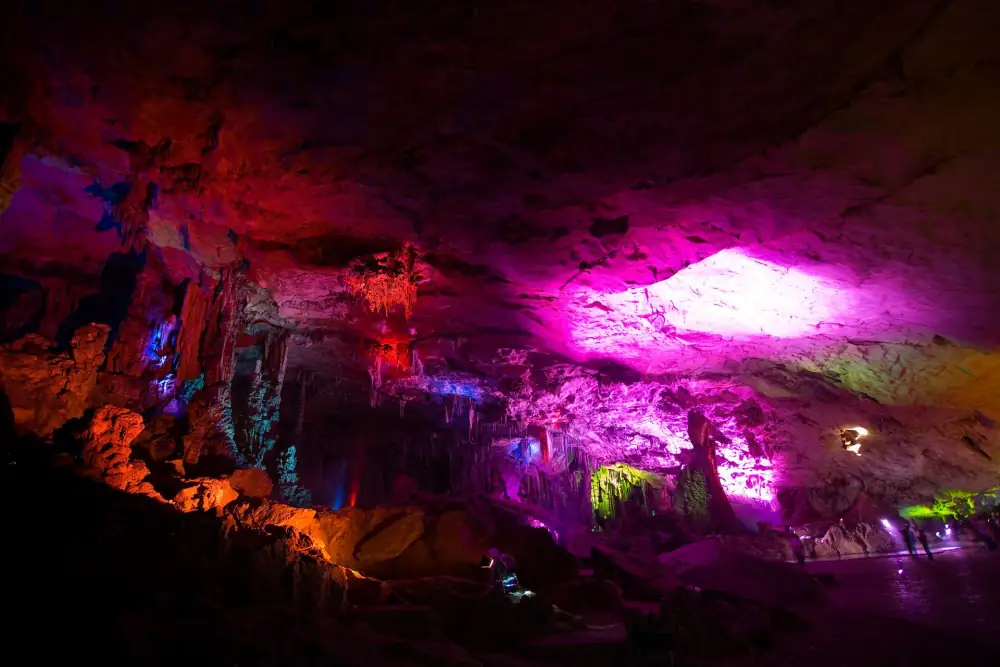
| Detail | Info |
|---|---|
| Province | Guangxi |
| Getting there | Fly to Guilin (KWL); then 1.5-hour bus to Yangshuo; or high-speed rail to Guilin, then bus. OR take the 4.5-hour Li River cruise — the classic arrival route |
| Best season | April–June and September–October for clearest skies and green vegetation; April–May for rapeseed flowers |
| Base | Stay in Yangshuo town or in the rural valley (guesthouses near the Yulong River are more atmospheric) |
The Yulong River (遇龙河)
The Yulong River runs 43.5 km through a valley of rice paddies, bamboo groves, and karst peaks west of Yangshuo. Unlike the Li River (which has motorised tourist boat traffic), the Yulong is a no-motorboat zone — only bamboo rafts and small craft are allowed. The result: a profoundly quiet river journey through some of the most beautiful scenery in China.
Bamboo Raft (竹筏)
The signature Yulong River experience: flat-bottomed bamboo rafts poled by local boatmen through slow, clear water. The raft glides under old stone bridges, past water buffalo standing in the shallows, and between towering karst peaks.
Practical:
- Sections: Multiple sections with different character. The Yulong River Scenic Area between Jinlong Bridge and Gongnong Bridge (约8 km) is the most picturesque.
- Ticket: ¥100–150/person for the main section (prices vary by season)
- Duration: 1.5–2 hours per section
- Hire from guesthouses near the river or from official booking points in Yangshuo town
Best experience: Early morning (7–8 AM before the crowds build) or late afternoon (4–5 PM in summer when the light is golden). Mist on the river in early morning is extraordinary.
Cycling the Valley
The most popular activity and the best reason to come to Yangshuo. A network of paved and unpaved lanes runs through the Yulong River valley connecting villages, old stone bridges, ancient banyan trees, and rice paddy views.
Bike hire: Widely available in Yangshuo town; ¥20–40/day for regular bikes, ¥50–80/day for e-bikes. The valley is flat enough that regular bikes are fine in dry season.
Recommended half-day route (20 km): Yangshuo town → Gaotian Market Village → Yulong Bridge (古榕树, the ancient banyan tree) → Yima Village rice paddies → Fuli Ancient Town → return to Yangshuo
Recommended full-day route (40 km): Extends the above to include the Yulong He upper section, Moon Hill, and the larger Baisha Market.
Moon Hill (月亮山): A 30-minute hike from the valley floor to a natural limestone arch perforated through the peak — the moon-shape opening frames the sky and surrounding peaks. Good viewpoint over the whole valley. ¥15 entry.
The Li River from Guilin
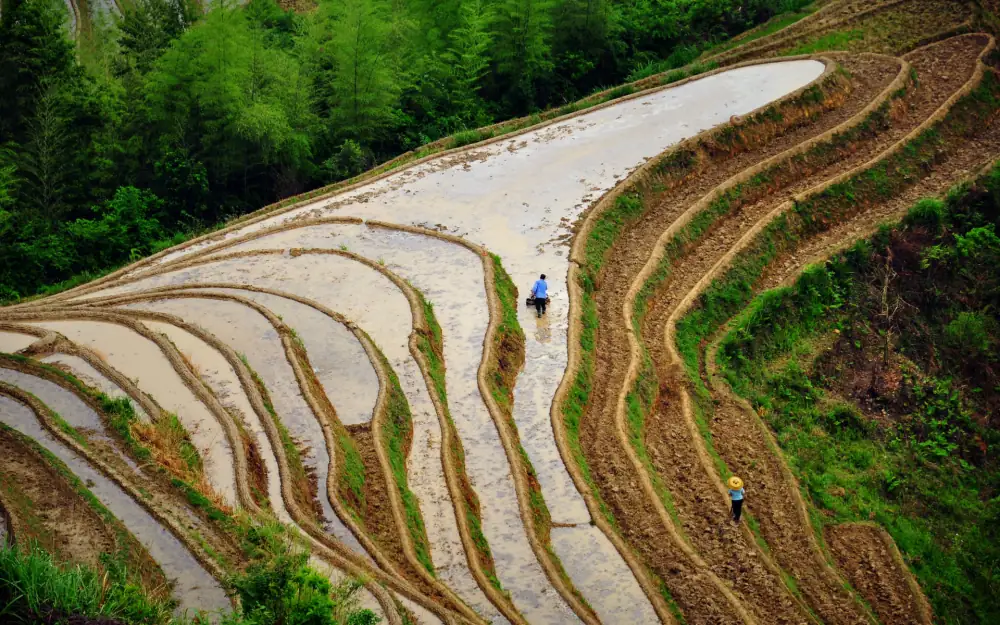
The classic arrival: the 83-km boat journey downstream from Guilin to Yangshuo passes through the most concentrated karst scenery in China.
Practical:
- Official cruise boats depart Guilin daily around 9–10 AM; arrive Yangshuo around 1–2 PM
- Tickets ¥210–310/person depending on boat class (book through accommodation or licensed operators — many unofficial operators inflate prices)
- The cruise passes the famous peaks of Elephant Trunk Hill, Xingping’s Old Village (the scene on the 20 RMB note), and the Nine Horses Mural Hill
The 20 RMB scene: The river view depicted on China’s 20-yuan banknote — karst peaks above the Li River with a traditional village — is visible from near Xingping village, approximately 30 km upstream of Yangshuo. Some operators offer a stop here; alternatively, take a bus from Yangshuo to Xingping (40 min) and hire a local raft for the view.
Yangshuo Town
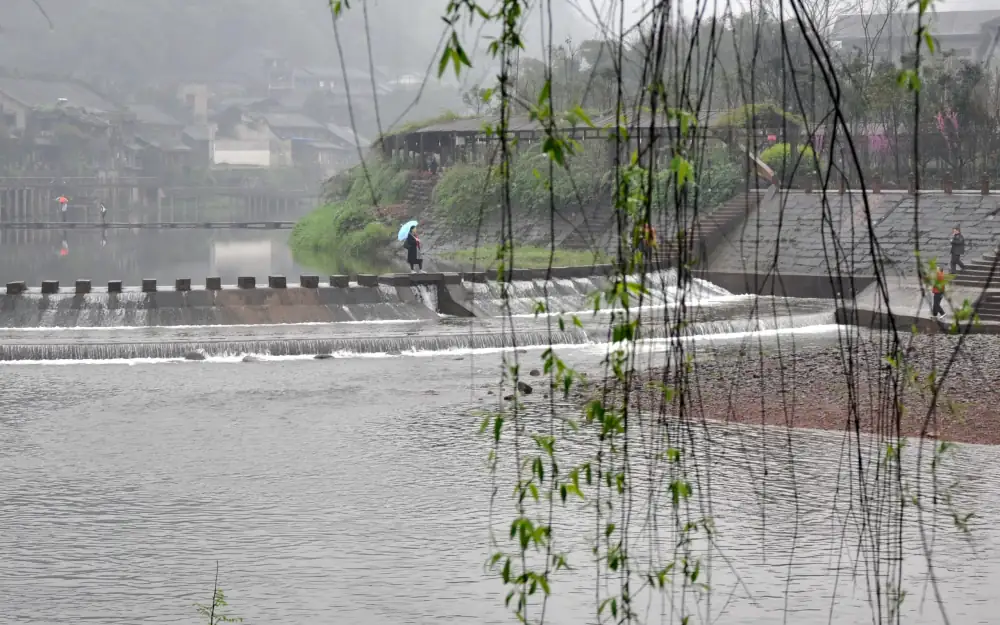
West Street (西街): The main tourist strip — 500 metres of bars, restaurants, and souvenir shops. Tourist-oriented but with some good cafés and genuinely useful gear shops (hiking, cycling equipment). Best for breakfast or evening.
Eating well in Yangshuo:
- Beer fish (啤酒鱼): The local specialty — river fish braised in local Guilin beer with peppers, tomatoes, and spices. Every restaurant in Yangshuo claims the best version; the ones run by families in the residential streets behind West Street tend to be better than the main street tourist kitchens.
- Stuffed Li River snails (螺蛳): Freshwater snails stuffed with minced pork, ginger, and garlic, then re-baked. Street food from market stalls.
- Rice noodles (米粉): Guilin-style rice noodles with a pork broth and various toppings — the staple breakfast and late-night food of the region.
Fan Mulan (桂林米粉 recommended shops): Ask at your guesthouse for the nearest market-style noodle shop (¥8–12/bowl); these are invariably better than the tourist street versions.
Where to Stay
In town: Multiple mid-range and budget hotels around the bus station and West Street. Good for nightlife access and convenience.
In the valley (recommended): Guesthouses in villages along the Yulong River — some in converted farmhouses, some purpose-built but traditional in style. Wake up to rice paddy views and karst peaks before the day-trippers arrive. Villages like Yulong Village (遇龙村) and Chaolong Village have multiple options.
Cycling guesthouses: Some guesthouses in the valley specifically cater to cycling visitors — bike storage, route advice, packed lunches. More expensive than town but the morning atmosphere in the valley is worth it.
Practical Tips
Weather: The rainy season (April–June) brings more mist and cloud, which is often more beautiful for photography. The Li River can flood in heavy rain, suspending some cruise operations.
Avoid market days crowds: Yangshuo has a traditional rural market that cycles through the week at different villages — these are genuine local produce markets, interesting to visit, and can affect traffic and availability of bikes.
Motorised vehicle ban: The Yulong River valley restricts motor vehicles from many routes; this is enforced, making cycling genuinely pleasant.
Duration: A minimum of 2 nights allows one day on the Yulong River/cycling and one day for a Li River activity or Moon Hill. Three nights is more comfortable.
Yangshuo earns its reputation from the landscape, not the town. The valley in morning mist, cycling past water buffalo in rice paddies with karst peaks on all sides — this is one of the great travel experiences in China, and it requires no particular effort or endurance to access.
Last updated: May 2026