
Henan (河南, “south of the Yellow River”) is China’s most historically layered province — more ancient dynasties had their capital here than anywhere else in the country. The Yellow River (黄河) cradle of Chinese civilisation runs through the province; the Shaolin Temple defines an entire global martial arts tradition; and the Buddha carvings at Longmen are among the world’s greatest artworks.
Table of contents
Open Table of contents
Shaolin Temple (少林寺)
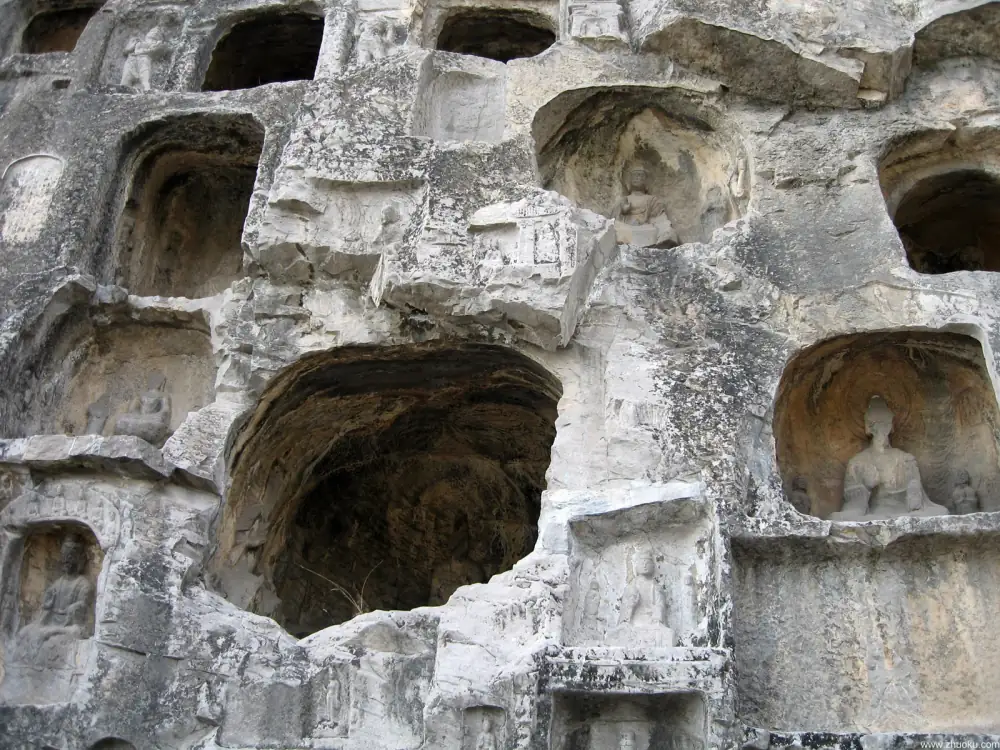
The birthplace of Chan (Zen) Buddhism and Chinese martial arts — Shaolin Temple (少林寺) in the Songshan Mountains is one of the world’s most famous religious and cultural sites.
What to see:
- Main temple complex — active Buddhist monastery; monks in grey robes, incense, ancient halls
- Forest of Pagodas (塔林) — 243 stone pagodas from the Tang through Qing Dynasties, each marking a Shaolin abbot’s grave; the largest forest of Buddhist pagodas in China
- Martial arts performances — hourly demonstrations by Shaolin monks in the performance hall; impressive kung fu acrobatics
Kung fu schools: The area around Shaolin has dozens of martial arts training schools where you can enrol for 1 week to 1 year. Most offer packages for international students.
Getting there: Bus from Zhengzhou (1.5 hours) or Luoyang (1.5 hours). Entry ¥100.
Longmen Grottoes (龙门石窟)
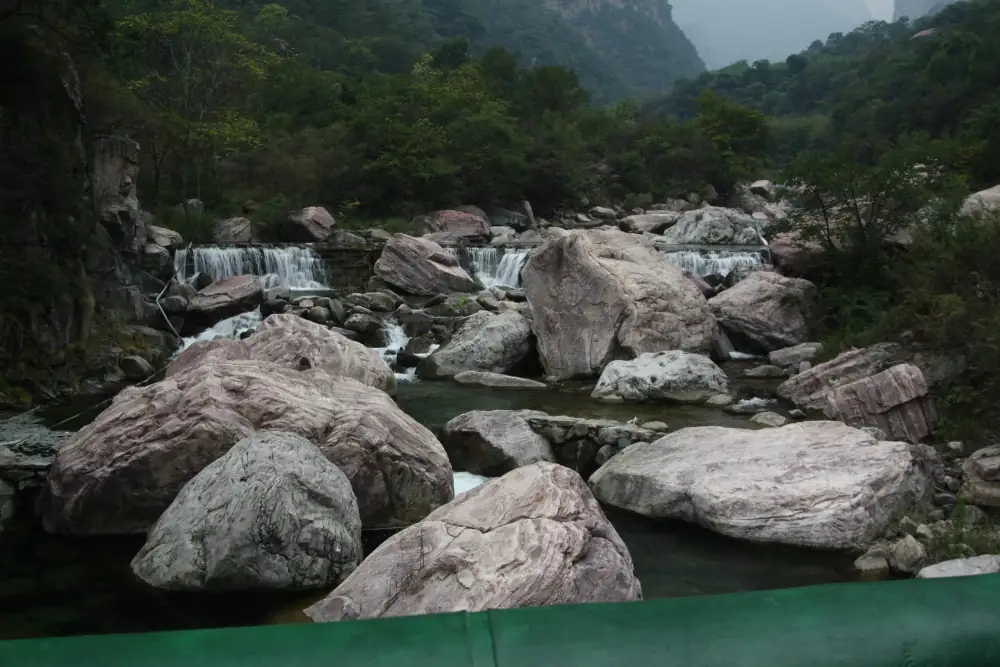
13km south of Luoyang — over 2,300 cave niches carved into limestone cliffs along the Yi River, containing 110,000 Buddhist images created from the late Northern Wei Dynasty (494 AD) through the Tang Dynasty.
Must-see caves:
- Fengxian Temple (奉先寺) — The masterpiece: a 17-metre Vairocana Buddha with a serene Tang Dynasty face (modeled on Empress Wu Zetian), flanked by heavenly kings and muscular guardians
- Binyang Cave (宾阳洞) — Northern Wei period; elegant and linear figures in distinctive early Buddhist style
- Wanfo Cave (万佛洞) — “Ten Thousand Buddha Cave” with 15,000 miniature Buddha niches covering every surface
Best time: Morning light from the west bank (Guyang/Binyang area) illuminates the east-bank Fengxian Temple.
Entry: ¥110. Allow 3–4 hours. UNESCO World Heritage Site.
Luoyang (洛阳) — Peony Capital
Luoyang served as imperial capital for 13 dynasties. Today it’s most famous for Chinese tree peonies (洛阳牡丹) — the city hosts the Peony Festival every April when thousands of rare peony varieties bloom simultaneously.
White Horse Temple (白马寺)
The first Buddhist temple ever built in China — founded in 68 AD when the Emperor sent scholars west along the Silk Road and returned with the first Buddhist texts on white horses. Still an active monastery. Entry ¥35.
Luoyang Old City (洛阳老城)
The restored old town around the East Gate area has a lively food street (洛阳水席) — the traditional 24-course Luoyang water banquet with soup-based dishes is a genuine experience.
Kaifeng (开封) — Northern Song Capital
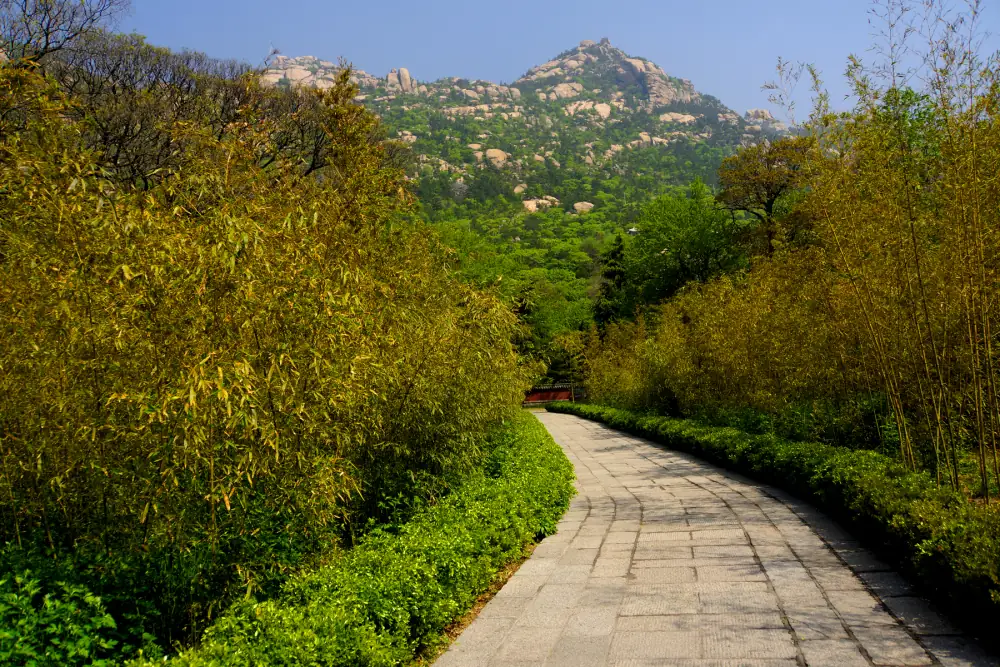
Kaifeng was the capital of the Northern Song Dynasty (960–1127) — the most sophisticated and culturally rich period in Chinese history, the era of the famous scroll painting Along the River During Qingming Festival.
Qingming Along the River Park (清明上河园)
A full-scale recreation of the Northern Song capital as depicted in the famous scroll — 700 yards long, with performers in period costume, artisan demonstrations, river boats, and teahouses. One of China’s best heritage theme parks. Entry ¥120.
Iron Pagoda (铁塔)
A 55-metre-tall Northern Song pagoda (1049 AD) — called the “Iron Pagoda” because its glazed brick tiles give a metallic sheen. One of the best-preserved Song Dynasty structures. Entry ¥40.
Kaifeng Night Market (夜市)
One of China’s most atmospheric night food markets — Drum Tower Square (鼓楼广场) area comes alive after 6pm with hundreds of stalls selling Northern Song-era foods and modern Henan snacks.
Practical Info
Zhengzhou is the provincial capital and transport hub. High-speed trains from Beijing (2 hours), Shanghai (4 hours), Xi’an (1.5 hours).
Luoyang and Kaifeng are both accessible by high-speed from Zhengzhou (40–60 minutes, ¥30–¥50).