Table of contents
Open Table of contents
798 Art District (798艺术区)
Background
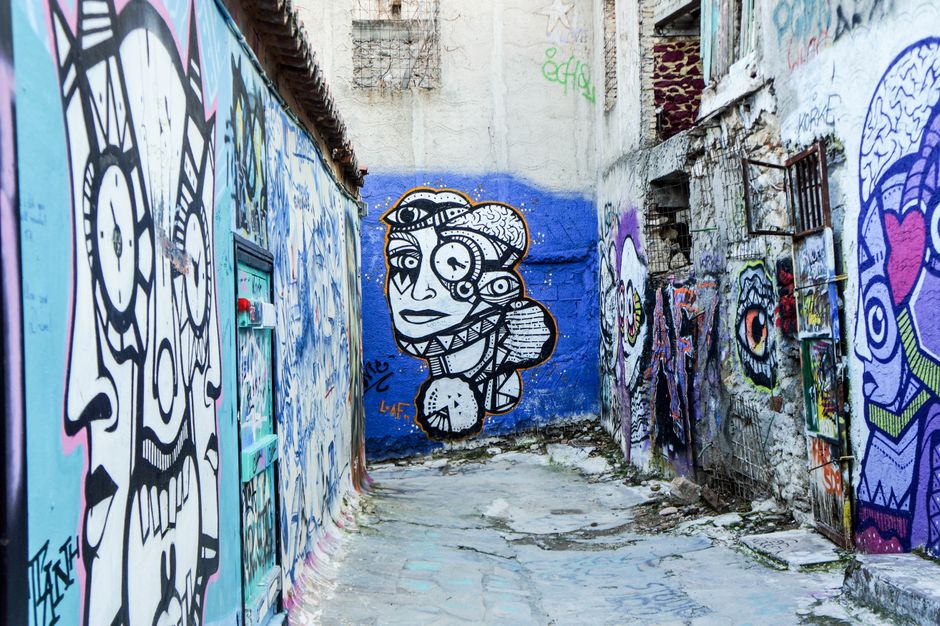
The 798 Art District occupies the former Factory 798 complex in Dashanzi, northeast Beijing — a collection of large industrial buildings designed in the 1950s by East German Bauhaus engineers and used for military electronics manufacturing. When the factories became obsolete in the 1990s, artists moved in, drawn by the cheap rents and extraordinary spaces.
By 2003, 798 had become a substantial art district attracting international galleries and significant Chinese contemporary artists. Today it encompasses about 60,000 square metres of gallery and studio space within the original Bauhaus industrial buildings — a unique combination of architectural heritage and contemporary art.
Key Galleries
Pace Gallery Beijing: One of the world’s leading contemporary art galleries; the Beijing space often hosts significant solo shows by major international and Chinese artists. Free entry; show-specific.
Ullens Center for Contemporary Art (UCCA): Probably the most important non-commercial contemporary art institution in China; the large show spaces host major survey exhibitions and retrospectives. Entry ¥50–¥100 depending on exhibition ($7–$14). Book tickets online.
Long March Space: One of China’s most significant private galleries for conceptual and politically engaged contemporary art. Free entry.
Tang Contemporary Art: Extensive gallery representing major Asian contemporary artists across a large ground-floor space. Free entry.
Faurschou Foundation Beijing: Danish philanthropist foundation running rotating major contemporary installations; strong track record for ambitious shows.
Beyond the Galleries
798 is as much a place to walk, eat and browse as it is to see art. The streets between the gallery spaces have excellent cafes, design shops and restaurants. The Bauhaus factory architecture — the saw-tooth roof profiles, the red-brick walls with original slogans still visible — creates a distinctive backdrop.
What to look for architecturally:
- The original Chinese and Soviet factory slogans painted on brick walls
- The distinctive roof lanterns of the East German factory design
- The scale of the production halls, now gallery spaces with 10–15 metre ceiling heights
Best time to visit: Tuesday–Thursday for lower crowds. Many galleries are closed Mondays. Openings (often Friday evenings) bring the district’s creative community out in force — check gallery websites for upcoming vernissages.
Getting there: Metro Line 14 (Wangjing South station) + taxi, or taxi from Sanlitun area (15 minutes). Uber/DiDi maps search “798 Art District” (798艺术区).
Beijing Hutong Neighbourhoods
What Are Hutong?
Hutong (胡同) are the narrow alleyways of old Beijing, typically running east-west, lined with the grey-brick courtyard houses (四合院, siheyuan) that were the standard residential form for Beijing’s population for over 700 years. At their peak in the 1940s, Beijing had over 3,000 named hutong. Through demolition and redevelopment, approximately 1,000 remain, mainly in the areas around the Drum Tower, Nanluoguxiang and the Back Lakes (Shichahai).
The hutong are living neighbourhoods, not heritage museums — residents go about daily life within them, and the best way to experience them is to walk slowly, without agenda, watching the ordinary rhythms of a city neighbourhood that has maintained continuous habitation since the Yuan Dynasty.
Best Hutong Neighbourhoods to Explore
Nanluoguxiang and surrounds (南锣鼓巷): The most famous hutong area — and because of that, somewhat tourist-saturated on the main alley itself. However, the crossing alleys (dongdao, xidao) to the east and west are still genuinely residential. Walk one block off the main Nanluoguxiang drag in any direction and the atmosphere changes completely.
Shichahai Lake Area (什刹海): The three connected lakes north of the Forbidden City are surrounded by hutong that housed imperial family members and officials. This is some of the highest-status hutong in Beijing — the courtyards are larger, the preservation better. The area around Houhai Lake is now primarily a nightlife and restaurant area, but the alleyways to the north and west remain more authentically residential.
Gulou Area (Drum Tower) (鼓楼): The neighbourhood directly north of the Drum Tower has maintained a strong independent culture — good independent bookshops, craft coffee roasters, small galleries, live music bars in converted courtyard spaces.
Baochao Hutong and Dongsi area: The Dongsi neighbourhood hutong, southeast of the Drum Tower, are quieter than Nanluoguxiang and contain some exceptional courtyard architecture including former temple sites.
Hutong Activities
Cycling: The most pleasurable way to experience the hutong network. Beijing city bike-share (Hello Bike, Meituan Bike) works in hutong streets. A 2–3 hour cycling route through the Drum Tower area, around Shichahai, south through Nanluoguxiang and back takes you through the core of surviving old Beijing.
Hutong cooking class: Multiple operators offer morning market visits followed by a traditional courtyard lunch/dinner cooking class for ¥250–¥450 ($35–$63) per person. “The Hutong” cooking school (located in a courtyard near Banchang Hutong) has been operating since 2009 and has good reviews.
Pedicab tours: The somewhat tourist-oriented pedicab tours actually provide a useful introduction to hutong geography. Rates are negotiated; expect to pay ¥100–¥200 for a 1–1.5 hour tour ($14–$28).
Courtyard Hotel stays: Staying in a renovated siheyuan courtyard hotel is one of Beijing’s best accommodation experiences. See accommodation section below.

Combining 798 and Hutong in One Day
A possible combined day:
08:00 — Hutong breakfast at a neighbourhood shop near Nanluoguxiang (jianbing, soy milk, baozi — ¥15–¥25 total)
08:30–12:00 — Slow morning walk through the Drum Tower / Shichahai hutong area; visit Drum Tower and Bell Tower for city views (Drum Tower tickets ¥30 / $4)
12:00 — Lunch at one of the courtyard restaurants in the Gulou area
14:00 — DiDi to 798 Art District (25 minutes from Gulou)
14:30–18:00 — Gallery exploration at 798; aim for UCCA (book ahead), Pace and Long March Space
18:30 — Dinner at one of the 798 area restaurants or return to Sanlitun for evening
Food in the 798 / Hutong Areas
798 area food:
- Café Pause (798 inside): Good European-style café with excellent coffee; inside the industrial space
- Din Tai Fung (鼎泰丰) Sanlitun: 20 minutes from 798 by taxi; the best xiao long bao in Beijing, ¥80–¥150 for two people
Hutong area food:
- Da Zhai Men (大宅门): Traditional courtyard restaurant in Shichahai; Shandong-influenced Beijing cuisine in a converted siheyuan
- Dali Courtyard (大理院子): Yunnan cuisine in a beautiful courtyard; a perennial favourite
- Any jianbing stall: The wheat-and-egg crepe sold from street carts throughout hutong areas; ¥5–¥8 each, the best Beijing street food

Accommodation: Courtyard Hotels
Staying in a converted hutong courtyard hotel transforms the Beijing experience. Options at different price points:
Budget (¥300–¥500 / $42–$70): Several smaller courtyard guesthouses operate in the Nanluoguxiang and Drum Tower area. Quality varies; read recent reviews.
Mid-range (¥600–¥1,200 / $84–$168): Orchid Hotel (near Banchang Hutong) — one of the best mid-range courtyard hotels; beautiful renovation, excellent service. The Emperor Hotel — rooftop views over the Forbidden City moat.
Upscale (¥1,500+ / $210+): Aman at Summer Palace (not strictly hutong but the finest traditional-architecture hotel in Beijing); The Opposite House in Sanlitun (contemporary; excellent design hotel near 798 area).
Getting Around Beijing Between Sites
Metro: Line 8 passes through the Olympic area (useful for getting to Shichahai area) and connects to Line 14 for 798. A ¥3–¥5 journey covers most cross-city moves.
DiDi: Essential for the 798 journey; also useful for the gap between hutong areas and 798. Expect 25–40 minutes cross-city.
Cycling: The hutong areas are extremely pleasant by bike; not recommended for the 798 transit unless you’re comfortable with Beijing road cycling.
Practical Tips
- 798 closures: Check gallery websites before planning your 798 visit — some major galleries close between exhibitions for installation periods.
- Hutong map: Download a good offline map (Maps.me or Google Maps offline for Beijing) before entering hutong areas; the alleyway network is genuinely complex and phone data can drop in narrow lanes.
- Photography in hutong: Ask before photographing people in their home doorways. A smile and gesture works; most residents are accustomed to curious visitors.
- Hutong timing: Saturday and Sunday afternoons are extremely crowded in Nanluoguxiang. Go early morning (before 10:00) for the best experience.
- Art district admission: The 798 street areas are free; individual galleries charge variable admission. Budget ¥100–¥200 ($14–$28) for a day of gallery-going.
Final Word
The juxtaposition of 798’s international contemporary art world and the centuries-old hutong neighbourhood fabric is one of the things that makes Beijing uniquely stimulating. Neither experience would be as interesting without the other as context. Together they show you a city in permanent creative negotiation with its own history — which is perhaps what great cities always do.