
Jiankou (箭扣) is the section of the Great Wall that photographers have been seeking out for two decades — an unrestored section on a dramatic ridgeline in Huairou District, about 80km north of Beijing. The wall here has been untouched since the Ming Dynasty, and centuries of weathering have created a specific kind of beauty that the fully restored sections at Badaling or Mutianyu don’t have: moss-covered stones, crumbling watchtowers, and sections where the wall has partially collapsed to leave dramatic gaps.
It is also genuinely challenging and sometimes dangerous. This is not a family outing.
Table of contents
Open Table of contents
Why Jiankou Is Different
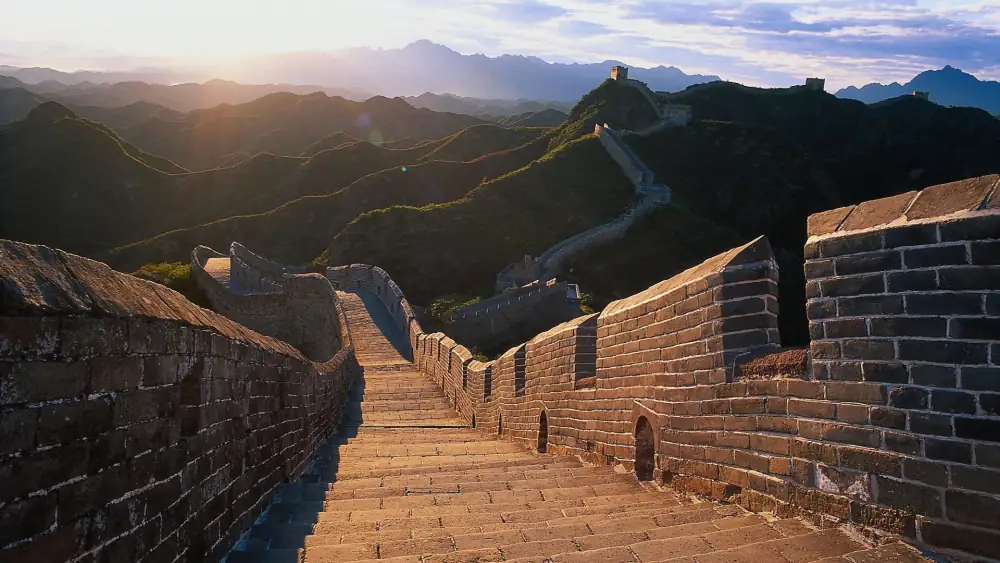
At Badaling or Mutianyu, the wall has been rebuilt to tourist-grade safety standards. At Jiankou, you’re walking on 400-year-old masonry that hasn’t been touched since it was built. Sections lean. Steps are uneven. Tower floors may have holes. There are drops on both sides of the wall in the steep sections.
This is the appeal, especially for photographers. The ruined quality and the wild ridgeline setting create images that restored sections simply cannot.
The Main Features
Arrow Nock Tower (箭扣楼): The most photographed location — a watchtower where the wall makes a distinctive turn that creates the shape of an arrow nock (the notch in an arrow where the bowstring sits, hence the name). Best photographed at sunrise from a position on the eastern slope.
Eagle Flies Inverted (鹰飞倒仰): A particularly steep section of wall where the incline is nearly 70 degrees. To traverse this section, you’re essentially climbing rock, using the wall crenellations as handholds. Not for those uncomfortable with exposure.
Zhengbei Tower (正北楼): A watch tower at a high point with panoramic views. One of the better destinations to aim for if you’re not attempting the most technical sections.
Nine-Eye Tower (九眼楼): A massive tower at the highest point of this section with nine arrow windows per side (hence the name). The most impressive single structure, about 2 hours walk from the main access village.
Getting There
From Beijing:
- Drive/taxi: Approximately 2 hours from central Beijing to Xizhazi Village (西栅子村), the main starting point. Taxi one-way approximately ¥200–250.
- Bus: No direct bus. The most practical public transport is Bus 916 from Dongzhimen station to Huairou, then taxi or private car to Xizhazi. Allow 3+ hours.
- Organised hiking tours: Several Beijing-based hiking groups run regular trips to Jiankou. Convenient for first-timers as guides know the routes.
The village: Xizhazi Village is a small farming community where many hikers start and some stay overnight in farmhouse accommodation (¥80–150 for a basic room). There’s a small car park and basic facilities.
The Routes
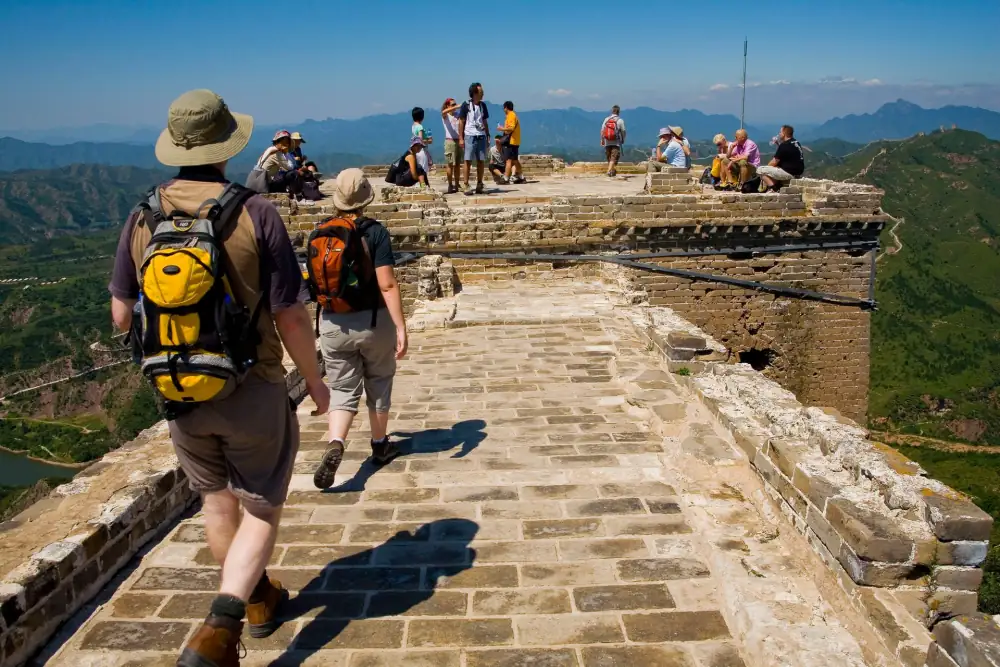
Short route to Arrow Nock Tower: From Xizhazi Village, about 1.5 hours uphill hiking on a steep path through forest before reaching the wall. Another 30–45 minutes along the wall to the Arrow Nock. Manageable for fit walkers.
Arrow Nock to Beijing Knot (北京结) loop: A longer traverse following the ridgeline. About 4–5 hours total. Involves some exposed sections.
Full traverse to Mutianyu: An ambitious day connecting Jiankou to the restored Mutianyu section. About 8–10 hours total. Requires a prearranged pick-up at Mutianyu or the cable car down.
Photography Tips
Best light: Sunrise at Jiankou is exceptional — the wall runs roughly east-west and the rising sun lights the stone face of the crenellations dramatically. Arrive at the wall by first light (summer 5:30am, winter 7am).
Seasonal: Autumn (October–November) for golden larch trees in the forest below the wall. Winter after light snowfall creates extraordinary imagery with snow on the worn crenellations. Spring for green growth.
Access for photography: For serious landscape photography, many photographers hire a guide from the village for ¥100–200 to access the best positions safely and in the dark.
Safety Considerations
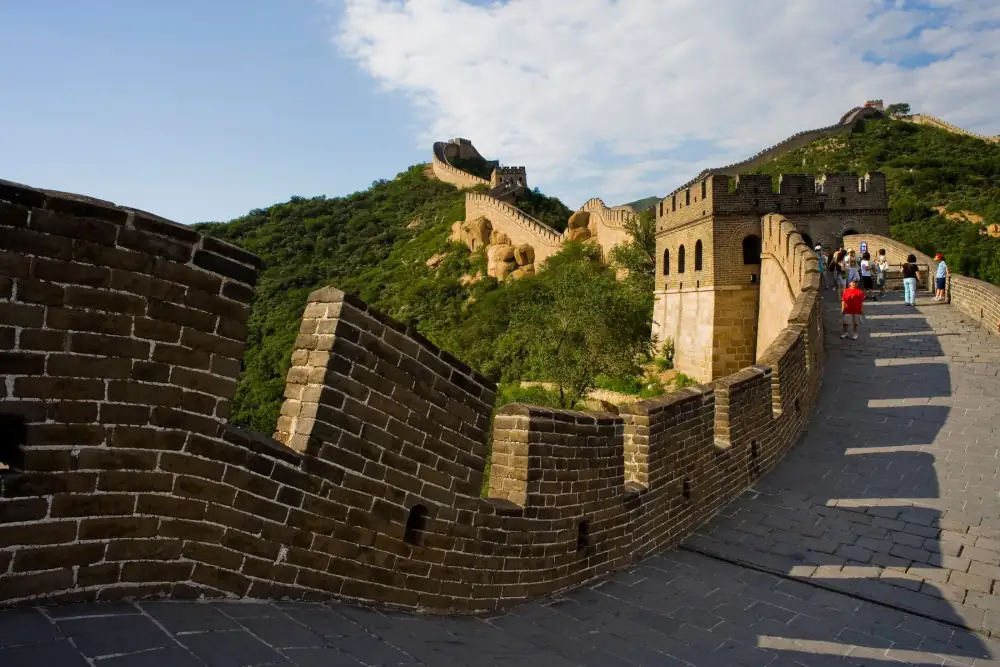
This needs to be said clearly: Jiankou is genuinely dangerous in ways that restored sections are not.
- The wall path is narrow (often 1–1.5 metres wide) with sheer drops on both sides
- The masonry is unstable in places — test before putting full weight on stones
- In wet conditions, the moss-covered surfaces are extremely slippery
- Fog can make navigation difficult — know your route before the weather changes
- Mobile signal is limited
What to bring:
- Hiking boots with ankle support and good grip
- Gloves (the stone is rough; you’ll use your hands in steep sections)
- Trekking poles
- Headlamp/torch
- More water than you think (the approach hike is steep and sweaty)
- Emergency whistle
- Tell someone where you’re going and expected return
Don’t attempt alone if you’re unfamiliar with hiking. Going with an experienced person or a guide is strongly recommended for a first visit.
Accommodation
Xizhazi Village farmhouses: Several village families offer simple accommodation (¥80–150/room). Breakfast is usually included — expect simple Chinese food. This allows you to position for sunrise without the Beijing commute.
Advance booking: Call ahead to confirm availability, especially for autumn weekends when photography groups descend.
Combining with Mutianyu
If you have two days, consider:
- Day 1: Jiankou with overnight in Xizhazi
- Day 2: Either more Jiankou exploration, or drive 20 minutes to Mutianyu for a contrast (restored vs unrestored)
The difference in atmosphere between these two sections highlights what the restoration process achieves and loses simultaneously.