
Table of contents
Open Table of contents
- Tunxi — The Gateway to Huizhou Culture
- Huizhou Old Street (屯溪老街)
- Huizhou Architecture — A Deeper Look
- The Xin’an River and Surrounding Nature
- Huizhou Cuisine — Savoury, Salty, and Deeply Satisfying
- Tea Culture Beyond the Street
- Practical Information
- Accommodation
- Budget Estimate (3 Days)
- Why Tunxi Stays With You
Tunxi — The Gateway to Huizhou Culture
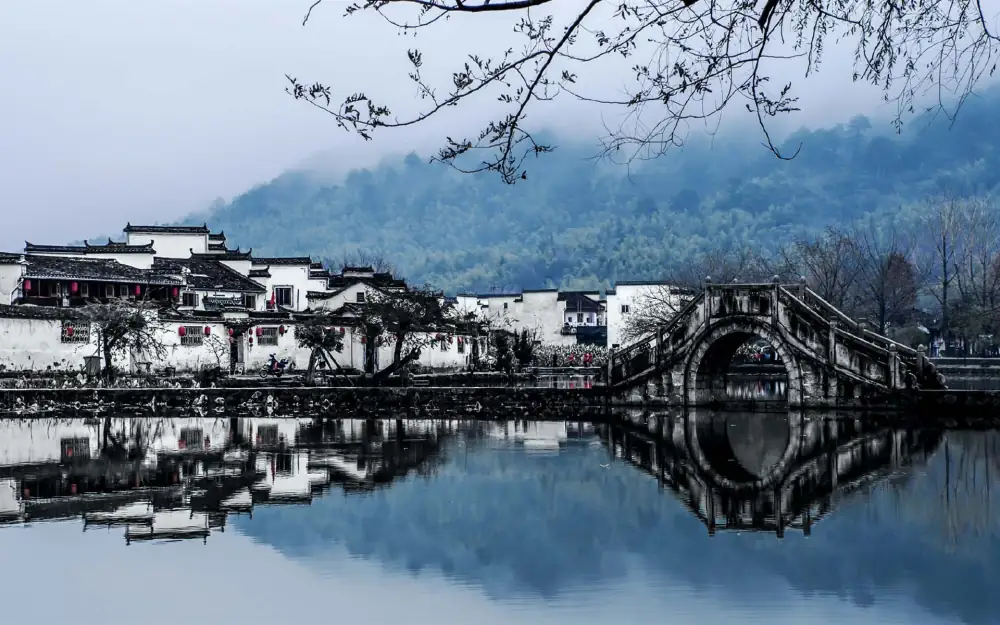
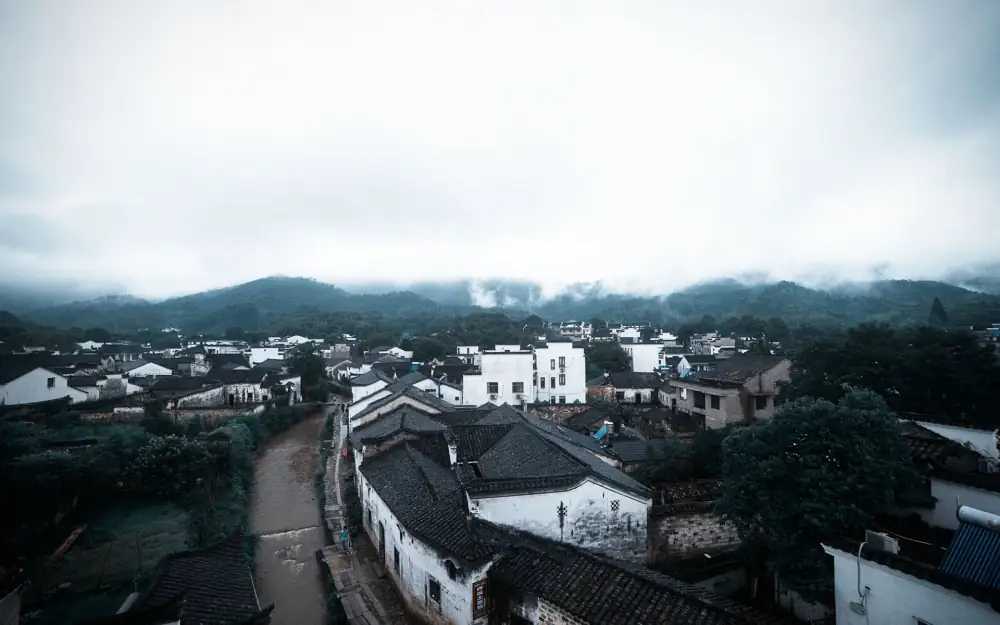
Most travellers pass through Tunxi (屯溪) on their way to Huangshan Mountain without giving it more than a night’s stopover. That’s a mistake. This small city at the foot of the great mountain is the cultural heart of the Huizhou (徽州) region — a place where merchant traditions, architectural mastery, and tea culture have been preserved with a stubbornness that feels almost defiant in modern China.
I first came to Tunxi expecting a transit hub. I left three days later, having been thoroughly seduced by the Old Street’s lamplit evenings, the quiet confidence of the tea merchants, and the extraordinary depth of Huizhou’s cultural legacy. The city doesn’t shout for attention like some tourist destinations — it simply continues being itself, and that turns out to be more than enough.
Huizhou Old Street (屯溪老街)
Architecture and Atmosphere
Huizhou Old Street stretches for 1.3 km along the Xin’an River, and walking its flagstone pavement feels like stepping directly into a Qing Dynasty merchant town. The buildings on both sides are original — not replicas — many dating back 200-300 years. They feature the distinctive Huizhou architectural style: white walls, dark grey tile roofs, horse-head gables (马头墙), and intricately carved wooden shopfronts.
The horse-head gables deserve explanation. These stepped gable walls, rising above the roofline in a series of increasingly narrow steps, were originally designed as firebreaks — the densely packed wooden buildings of Huizhou towns were perpetually at risk from fire. But they evolved into a status symbol, with wealthier merchants building higher and more elaborate gables. The effect, when viewed along a street, is a rhythmic skyline that’s uniquely Huizhou.
What to See and Do on Old Street
Tea Shops: The Old Street has been a tea trading centre for centuries, and it remains one of the best places in China to buy and taste Huizhou teas. The most famous is Huangshan Maofeng (黄山毛峰), a delicate green tea harvested in early spring from the slopes of Huangshan. A decent Maofeng costs ¥80-200 ($11-28 USD) per 250g, while premium first-flush leaves can run ¥400-1,000 ($55-138 USD).
Don’t miss the experience of sitting in one of the old tea houses and having a proper gongfu brewing session. The Huizhou Tea House (徽州茶馆), about halfway down the street, has been operating for over 80 years and offers tastings from ¥20-100 ($2.80-14 USD) depending on the tea grade.
Ink Stone Shops: Huizhou is one of China’s historic centres of ink stone production — the she ink stone (歙砚) is ranked among the “Four Famous Ink Stones” of China. Several shops on Old Street craft and sell these exquisite objects, which are used in traditional Chinese calligraphy. Prices range from ¥50 ($7 USD) for a basic student stone to ¥10,000+ ($1,385+ USD) for master-carved pieces in rare stone.
Huizhou Carving Shops: The Huizhou region is renowned for three types of decorative carving — wood, stone, and brick. Shops on Old Street sell everything from small wooden souvenirs to antique architectural fragments. Be cautious with “antiques” — genuine historical pieces require export permits, and most old-looking items are reproductions.
Local Snack Vendors: The street is lined with vendors selling Huizhou specialities. Must-tries include:
- Huangshan Shaobing (黄山烧饼): Small, flaky pastries filled with preserved vegetables and pork. ¥2-3 ($0.30-0.40 USD) each
- Mao Tofu (毛豆腐): Fermented tofu with a fuzzy white coating, pan-fried and served with chilli sauce. ¥10-15 ($1.40-2 USD) per plate
- Smoked Bamboo Shoots (烟笋): ¥15-25 ($2.10-3.50 USD) per pack
Evening on Old Street
The Old Street transforms after dark. Red lanterns are lit along the eaves, the crowds thin, and the atmosphere becomes genuinely magical. The tea houses stay open, and you can sit by the window watching the Xin’an River flow past while sipping tea that was grown on the mountain you can see silhouetted against the sky. I’d argue that one evening on Old Street is worth more than any number of daytime hours.
Huizhou Architecture — A Deeper Look
Key Features
Understanding Huizhou architecture enriches every village visit in the region:
Sky Well (天井): Traditional Huizhou houses are built around an open central courtyard — the “sky well.” This serves multiple purposes: natural light, ventilation, and rainwater collection (considered “wealth from heaven” in Huizhou merchant culture). The architecture is designed so that rainwater from all four roof slopes flows into the sky well, symbolising prosperity flowing inward.
Wooden Carvings (木雕): The interior beams, window frames, and door panels of wealthy Huizhou homes are covered in extraordinarily detailed relief carvings depicting scenes from literature, mythology, and daily life. The level of craftsmanship is astonishing — some carvings are so fine that individual strands of hair on figurines are distinguishable.
Water Systems: Huizhou villages are always built near water, and the engineering of their water systems — channels running alongside streets, feeding into communal washing pools, then draining to fields — demonstrates remarkable sophistication.
Nearby Villages Worth Visiting
Chengkan Village (呈坎): About 30 km from Tunxi, Chengkan is laid out according to feng shui principles in a complex bagua (eight trigrams) pattern. It’s less touristy than Hongcun but equally impressive architecturally. Entrance ¥107 ($15 USD).
Qiankou Village (潜口): Home to the Ming Dynasty Residential Architecture Museum — a collection of original Ming-era buildings relocated and preserved in a hillside setting. It’s an excellent introduction to Huizhou architectural evolution. Entrance ¥50 ($7 USD).
Xidi Village (西递): A UNESCO World Heritage Site along with Hongcun, Xidi is often overlooked in favour of its more famous neighbour. This is actually an advantage — it’s quieter and arguably more atmospheric. The Huizhou merchant homes here are exceptionally well-preserved. Entrance ¥104 ($14 USD).
The Xin’an River and Surrounding Nature
River Walk and Night View
The Xin’an River (新安江) is the lifeblood of Tunxi, and the riverside promenade is one of the city’s great pleasures. A paved walkway runs for several kilometres along both banks, and the evening stroll here — with Old Street on one side and the dark mountains on the other — is quintessential Huizhou.
River Cruise: Boats depart from the Old Street waterfront for 40-minute scenic cruises. Tickets ¥60-80 ($8.30-11 USD). The sunset cruise is the one to catch — the light on the water and the silhouette of the old buildings is lovely.
Huashan Mystery Caves (花山谜窟)
About 10 km from Tunxi, these enormous artificial caves carved into the hillside remain one of Anhui’s great enigmas. No one knows who carved them, when, or why. The caves are vast — some chambers are 30 metres high — and the precision of the carving is remarkable. They were only discovered in 2000 when a local farmer’s cows fell through a thin section of roof.
Entrance fee: ¥78 ($11 USD). Allow 2-3 hours for the visit. The site is accessible by taxi (¥25-35/$3.50-4.80 USD) or bus No. 6 from Tunxi.
Huizhou Cuisine — Savoury, Salty, and Deeply Satisfying
Huizhou cuisine (徽菜) is one of China’s eight great culinary traditions, and it’s characterised by an emphasis on braising, smoking, and preserving — practical techniques for a mountainous region where fresh ingredients were historically scarce in winter.
Signature Dishes
Stinky Mandarin Fish (臭鳜鱼): The most famous Huizhou dish, and yes, the name is accurate. The fish is preserved and lightly fermented, developing a pungent aroma that mellows into a rich, savoury flavour when braised with garlic, chilli, and bamboo shoots. If you can get past the smell, it’s extraordinary. ¥68-108 ($9.40-15 USD) per fish.
Hairy Tofu (毛豆腐): Fermented tofu with a white fuzzy coating, pan-fried until golden. The texture is somewhere between soft cheese and firm tofu, with a complex, slightly tangy flavour. ¥15-25 ($2.10-3.50 USD).
Huizhou Winter Bamboo Shoots with Cured Pork (笋尖烧肉): The combination of sweet winter bamboo shoots and salty cured pork is classic Huizhou. ¥38-58 ($5.30-8 USD).
One Pot of Yellow (一品锅): A layered hotpot with chicken, pork, tofu, bamboo shoots, and dried radish, slow-cooked in a single vessel. This was supposedly a favourite of the Qianlong Emperor. ¥58-88 ($8-12 USD) per pot.
Recommended Restaurants
Lao Jie Di Yi Lou (老街第一楼): Right on Old Street, this three-storey restaurant is a Tunxi institution. The stinky mandarin fish is the best in town. Meals ¥50-100 ($7-14 USD) per person.
Huizhou Renjia (徽州人家): A slightly more refined option, about 10 minutes’ walk from Old Street. Excellent winter bamboo shoots and a good selection of local yellow wine. Meals ¥60-120 ($8.30-17 USD) per person.
Tea Culture Beyond the Street
Visiting a Tea Farm
Several tea farms on the lower slopes of Huangshan offer visitor experiences. The Huangshan Maofeng Tea Cultural Garden (黄山毛峰茶文化园), about 25 km from Tunxi, provides guided tours of the tea gardens, processing demonstrations, and tastings. Tours cost ¥80-120 ($11-17 USD) and last about 2 hours.
Keemun Black Tea
While Huangshan Maofeng gets most of the attention, the Anhui region also produces Keemun (祁门, Qímén) black tea — one of the world’s most celebrated black teas and a favourite of the British royal family. The Qimen tea region is about 2 hours from Tunxi by road, and several producers offer visits. A day trip with a hired car costs ¥600-800 ($83-111 USD).
Practical Information
Getting to Tunxi
By Air: Huangshan Tunxi International Airport (TXN) has flights from Beijing, Shanghai, Guangzhou, Shenzhen, and several other cities. The airport is just 7 km from the city centre — a ¥20 ($2.80 USD) taxi ride.
By High-Speed Train: Huangshan North Station is on the Hefei-Fuzhou high-speed line. From Shanghai (2.5 hours, ¥170-280/$24-39 USD), from Hangzhou (1.5 hours, ¥100-170/$14-24 USD), from Hefei (1.5 hours, ¥130-210/$18-29 USD). From the station to Old Street, take bus No. 21 or a taxi (¥35-50/$4.90-7 USD).
By Bus: Long-distance buses connect Tunxi to Shanghai (5 hours), Hangzhou (3.5 hours), and Nanjing (4 hours).
Getting Around
Tunxi is compact and walkable. Old Street, the riverfront, and most restaurants are within a 15-minute walk of each other. For trips to surrounding villages, taxis and DiDi are readily available. A day of village-hopping by taxi costs ¥300-500 ($42-69 USD).
Best Time to Visit
- Spring (April — May): Tea harvest season and pleasant temperatures (15-25°C). The best time for tea experiences.
- Autumn (October — November): Comfortable weather, fewer tourists than spring, and the autumn colours on the surrounding hills are beautiful.
- Avoid: Chinese National Day (October 1-7) and Spring Festival when Old Street is uncomfortably crowded.
Accommodation
Huizhou Boutique Inn (徽州精品客栈): A beautifully restored Huizhou merchant house on Old Street itself. Rooms feature carved wooden beds and sky wells. Doubles from ¥350-600 ($48-83 USD). Book well ahead.
Huangshan International Hotel: A reliable four-star option near the river, a 10-minute walk from Old Street. Doubles from ¥280-450 ($39-62 USD).
Tunxi Youth Hostel: Clean and friendly, on the edge of Old Street. Dorm beds ¥50-70 ($7-10 USD), private doubles ¥120-180 ($17-25 USD).
Budget Estimate (3 Days)
| Item | Budget (¥) | Mid-Range (¥) |
|---|---|---|
| Transport to Tunxi (from Shanghai, one way) | 170 | 280 |
| Accommodation (2 nights) | 240 | 700 |
| Meals | 300 | 600 |
| Old Street activities & tea | 200 | 500 |
| Village visits (transport + entrance) | 200 | 600 |
| Total | ¥1,110 ($154 USD) | ¥2,680 ($371 USD) |
Why Tunxi Stays With You
There’s a quality to life in Tunxi that’s increasingly rare in China — a sense of unhurried continuity. The tea merchants on Old Street don’t just sell tea; they inherit a tradition. The wooden carvings on the old houses don’t just decorate; they tell stories that span centuries. And the Xin’an River keeps flowing past, just as it has since the first Huizhou merchants loaded their boats with tea and ink stones and headed downriver to the markets of the world. Come for the architecture, stay for the tea, and leave with an appreciation for a culture that moves at its own pace.