
Nanluoguxiang (南锣鼓巷, South Gong and Drum Lane) is Beijing’s most famous hutong — a 786-metre pedestrian alley running north-south through the Drum Tower neighbourhood, lined with Ming and Qing dynasty courtyard houses that have been converted into boutiques, cafes, snack stalls, and craft workshops. It’s become genuinely touristy over the past decade, but the main lane remains worth visiting, and the side alleys branching off it retain real neighbourhood character that rewards slower exploration.
The name comes from the gong-and-drum towers visible from the north end of the alley — the Drum Tower (鼓楼) and Bell Tower (钟楼) that marked time for the imperial city. The area developed during the Yuan Dynasty when Kublai Khan laid out Beijing on a grid, and the hutong system here dates from that era, making it over 700 years old.
Table of contents
Open Table of contents
The Main Lane
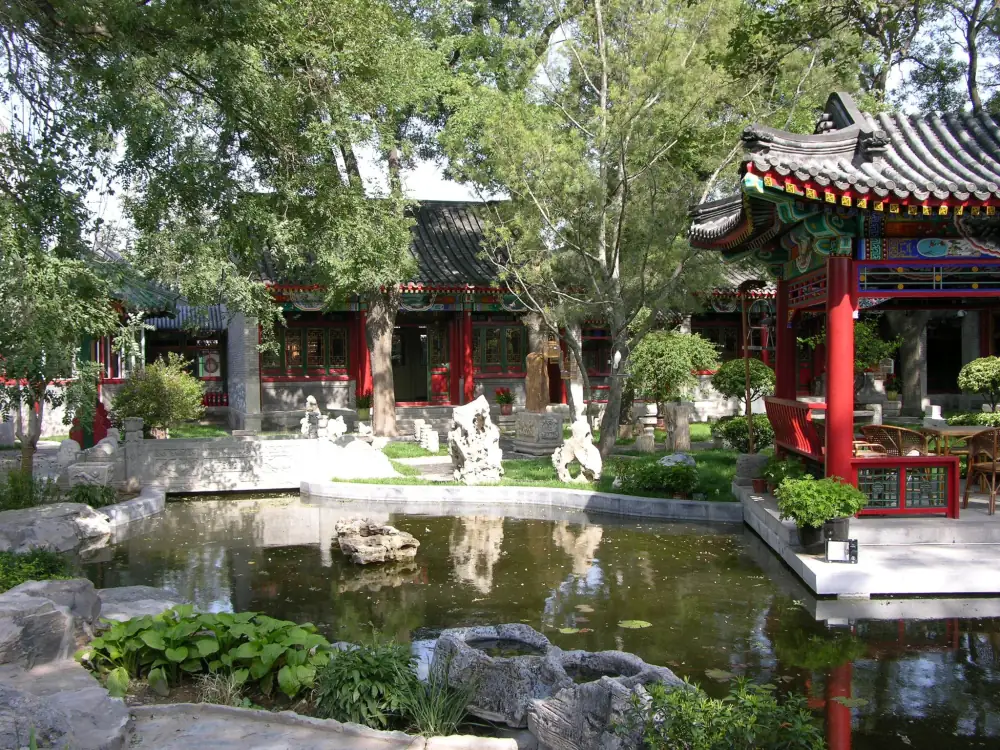
The central alley of Nanluoguxiang is a commercial strip — busier and more souvenir-oriented than it was 15 years ago, but still atmospheric. The buildings are genuinely old, the scale is genuinely human (nothing taller than one or two storeys, no cars), and on a good day the sensory combination of roasting lamb skewers, traditional architecture, and Beijing cold air is distinctive.
Food stalls to look for:
- Fried scorpion skewers (炸蝎子): A Beijing street food tradition aimed at tourists, but the scorpions really are edible and taste like crunchy fried batter. ¥20–30/stick
- Pork chop skewers (猪扒串): The more interesting street meat option — thick slices marinated and grilled. ¥15–25
- Liangpi cold noodles (凉皮): A northern specialty of chewy rice noodles in chili oil sauce, perfect in summer. Several stalls do good versions. ¥15–20
- Old Beijing yogurt (老北京酸奶): Thick yogurt served in ceramic bottles, sealed with paper and a rubber band. Genuinely delicious, not a tourist gimmick. ¥8–12
Shopping: The main lane has shifted toward chain-ish boutiques selling items that range from genuine craftsmanship to mass-produced “cultural” products. Worth a browse but don’t expect to find unique pieces here. The side lanes are better for that.
The Eight Side Alleys
Eight traditional hutong lanes branch off the main Nanluoguxiang alley, alternating east and west. These are where the residential character of the neighbourhood survives.
Mao’er Hutong (帽儿胡同): One of the most intact, with several well-preserved courtyard compounds. The residence of Wanrong, the last empress of China, is here. A quiet walk with genuine old Beijing atmosphere.
Jingyang Hutong (景阳胡同): Less visited than Mao’er but equally well preserved. Several hutong guesthouses (courtyard hotels) are located here — one of the nicest ways to experience Beijing is to stay in a converted courtyard on these lanes.
Banchang Hutong (板厂胡同) and Dongmianhua Hutong (东棉花胡同): More local feel, fewer tourists, residents going about daily life. Early mornings here are particularly good — older residents doing tai chi, breakfast stalls setting up.
Juzi Hutong (菊儿胡同): Has a famous contemporary courtyard housing development by architect Wu Liangyong that won the Aga Khan Award for Architecture. Worth seeking out if you’re interested in how traditional hutong forms can be updated.
The Drum Tower Area
At the north end of Nanluoguxiang, you emerge near the Drum Tower (鼓楼) and Bell Tower (钟楼). The Drum Tower (¥30 entry) has a collection of percussion instruments and hourly drum performances. The Bell Tower is currently periodically closed for restoration — check before visiting. The square between them has good benches and a different view back down toward the alley.
From the Drum Tower area, it’s a short walk north to the Shichahai lake area (什刹海) — three connected lakes with willow-shaded promenades, bars, and the Silver Ingot Bridge viewpoint. This is one of Beijing’s most beautiful areas for an evening stroll.
When to Visit
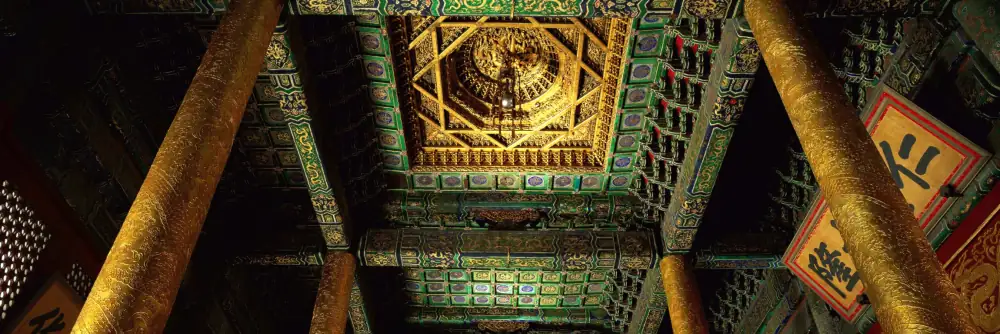
Weekday mornings: The best combination of quiet streets and active local life. The stalls are just setting up, residents are out, and you can walk at a human pace.
Weekend afternoons: Can be genuinely packed — elbow-to-elbow on the main lane during peak season. Still worth visiting but manage expectations.
Winter: The hutong in winter has a particular quality — bare trees, distant smell of coal heating (less common now but still present in some areas), the buildings photographing beautifully in low angled light. Cold but rewarding.
Summer evenings: The outdoor seating of bars and cafes fills with locals, and there’s a lively neighbourhood energy around 7–9pm.
Getting There
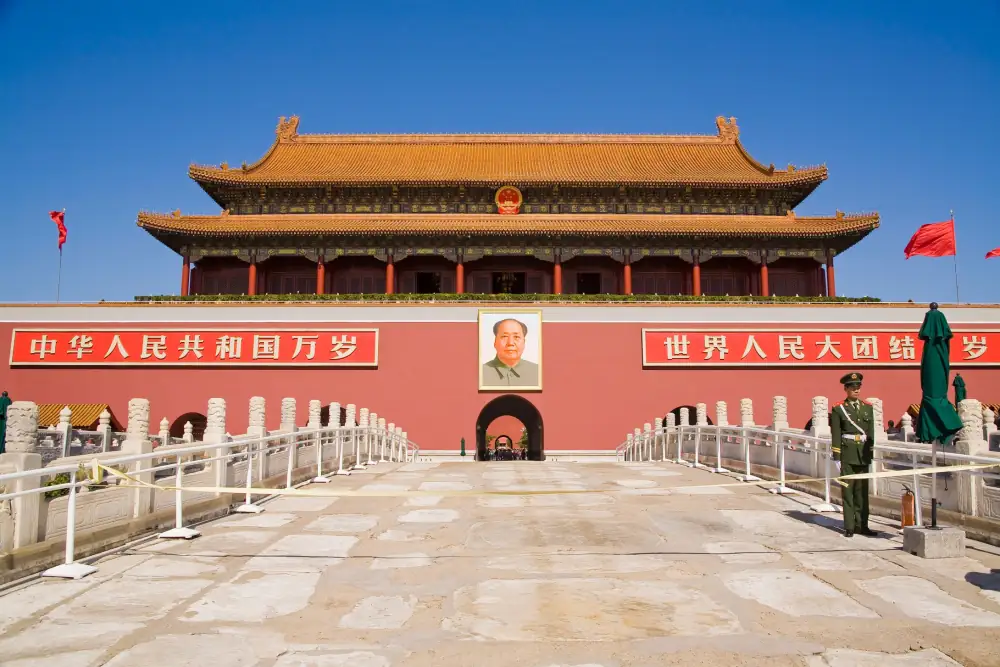
Metro: Line 8 to Shichahai (什刹海) station, Exit B, then walk south. Or Line 6 to Nanluoguxiang (南锣鼓巷) station, Exit C, which brings you out almost at the entrance of the alley.
From the Forbidden City: About 25 minutes walking north, passing through Jingshan Park.
Bike: The hutong area is excellent cycling territory. Shared bikes (Meituan, Hello) are widely available.
Staying in the Hutong
Several converted courtyard houses in the side alleys operate as boutique guesthouses — arguably the best way to experience the neighbourhood. Prices range from ¥300–800/night for a private room in a courtyard setting. Look for places in Mao’er Hutong, Jingyang Hutong, or the Shichahai lakeside area for the best atmosphere.
Practical Tips
- Most stalls don’t open until 10am. For the market experience, arrive after 10. For the neighbourhood experience, come before 9am.
- Cashless: The stalls all accept WeChat Pay and Alipay. Cards are not accepted at most food vendors, so have your digital payment set up or bring some cash.
- Photography: The hutong is photogenic and photography is expected. Be respectful of people’s homes — the courtyards are private residences, and peering through gates is intrusive.
- The main lane gets very crowded during Golden Week and summer weekends. If you want to experience it, come on a weekday or early morning.