
Fragrant Hills: Beijing’s Best Autumn Foliage Destination
Every year in mid-October, when the temperatures drop below 10°C at night and the days retain their warm clarity, an estimated 200,000 Beijingers make the journey to the western hills for a single purpose: to see the Fragrant Hills (香山, Xiangshan) turn red.
The autumn foliage display here — centred on the Chinese smoke tree (黄栌, huánglú) whose leaves produce a spectrum from yellow-gold to deep crimson — is the most celebrated seasonal event in Beijing after the Spring Festival. The hills have been an imperial hunting park since the Jin dynasty (12th century CE); the Qing emperors built a formal garden complex here in the 18th century. But locals come in October not for history but for colour.
The Autumn Colour Display
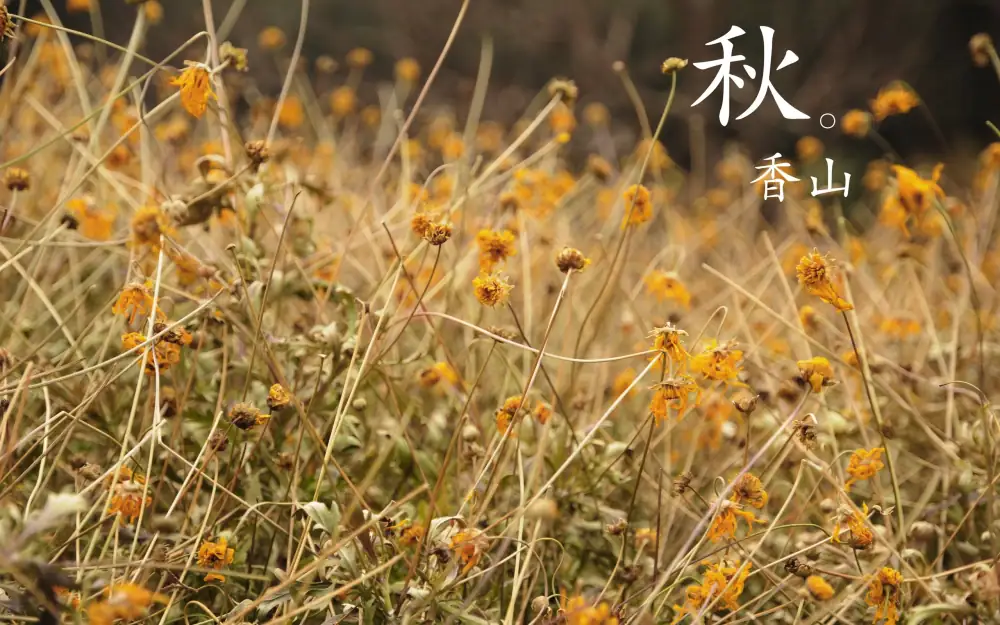
Chinese Smoke Tree (黄栌)
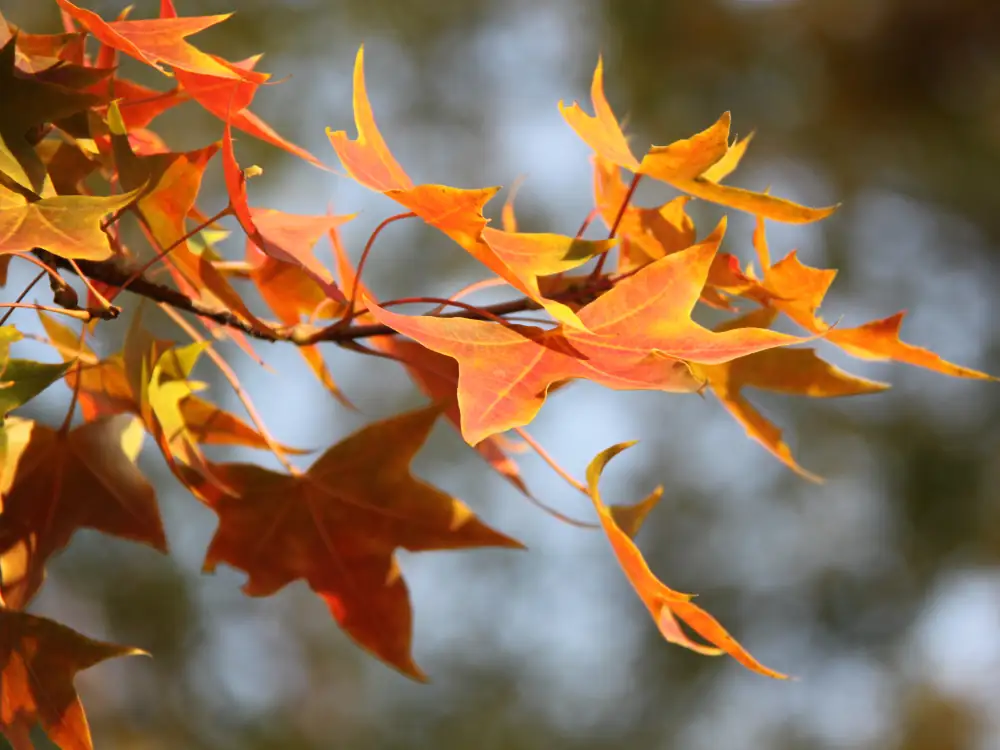
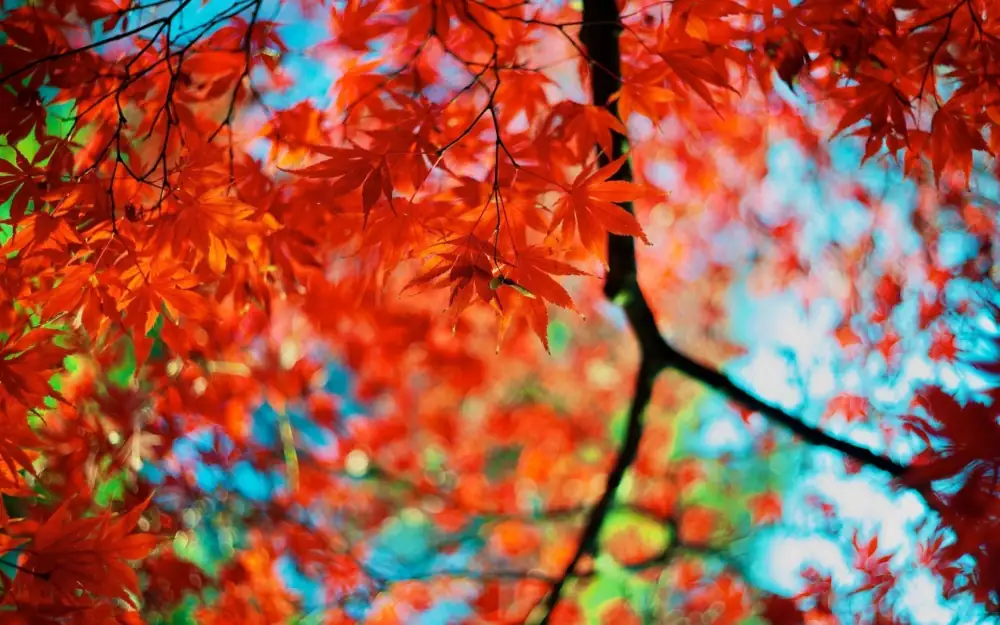
The primary source of autumn colour at Fragrant Hills is the Cotinus coggygria — the Chinese smoke tree. Over 100,000 individual trees cover the hillsides; in October they produce leaves ranging from pale yellow through orange to brilliant crimson-red, depending on individual genetics and sun exposure.
The colour change is triggered by cold nights below 5°C combined with sunny days — the same conditions that produce good colour in New England or Japanese maples. In warm autumns, the display is muted; in cold autumns, the crimson is extraordinary.
Peak colour timing: Mid-October to early November; the window is typically 2–3 weeks.
Other Autumn Colours
Beyond the smoke trees, ginkgo, maple, and various oak species in the park contribute yellows and ambers. The most concentrated colour is on the south slope of the main peak, accessible from the East Gate.
The Park
Main Peak (香炉峰, Incense Burner Peak)
The highest accessible summit at 557 metres. A cable car (¥40 round trip) or hiking trail reaches the top, where a viewing platform looks over the forested hills and, on clear days, the western suburbs of Beijing and beyond to the plains.
The hiking trail from East Gate to the summit takes approximately 1.5 hours at a moderate pace; the trail passes through the densest concentration of smoke trees.
Spectacles Hall (见心斋)
A Qing dynasty garden complex near the East Gate — a miniature imperial garden with reflecting pools, pavilions, and ginkgo trees that turn brilliant gold in October. Less crowded than the main peak trail.
Temple of Zhaomiao (昭庙)
A Tibetan-style Buddhist temple complex built by the Qianlong Emperor as a gesture toward the Panchen Lama. The yellow-tiled stupa and prayer hall are architecturally distinctive in this landscape of Han-style Chinese garden buildings.
Practical Information
Getting There
Metro + Bus: Line 10 to Bagou (巴沟) station, then Bus 318 or 360 to Fragrant Hills (香山). Total from central Beijing: approximately 1 hour. Taxi/Didi: From central Beijing, approximately 45 minutes (¥60–80); longer in October traffic. Tourist Bus: Tourist bus routes 7 and 8 connect the Summer Palace to Fragrant Hills.
Admission
¥10 (park entrance); cable car ¥40 return. No additional charge for Spectacles Hall or Zhaomiao.
Crowds
During peak autumn weekends, visitor numbers can exceed 300,000 per day. The park implements a timed entry reservation system via WeChat during the peak period (typically mid-October to early November). Reserve in advance.
Strategy for manageable crowds: Arrive before 8:30 AM on weekdays; avoid Sunday afternoons entirely.
Combining with Nearby Attractions
Beijing Botanical Garden (北京植物园): Adjacent to Fragrant Hills; excellent chrysanthemum exhibitions in October alongside the autumn foliage.
Yiheyuan (Summer Palace): 15 km east; the ginkgo trees along the Long Corridor also turn brilliant gold in late October.
Badachu (八大处): Eight Buddhist temples set in the hills immediately south of Fragrant Hills — quieter and equally beautiful foliage without the crowds.
The Fragrant Hills in mid-October is one of those experiences that seems almost too seasonally perfect — as if autumn itself had arranged a demonstration of what it can do when given good material and adequate cold nights.