
Table of contents
Open Table of contents
- Beyond the Karst — Why Minority Culture Matters in Guilin
- The Zhuang — Guangxi’s Largest Minority
- The Yao — Red Turbans and Long Hair
- The Miao — Silver Jewellery and Festival Splendour
- The Dong — Wind-Rain Bridges and Grand Songs
- Planning Your Visit
- Food in Minority Villages
- Budget Estimate (5 Days)
- Final Thoughts
Beyond the Karst — Why Minority Culture Matters in Guilin

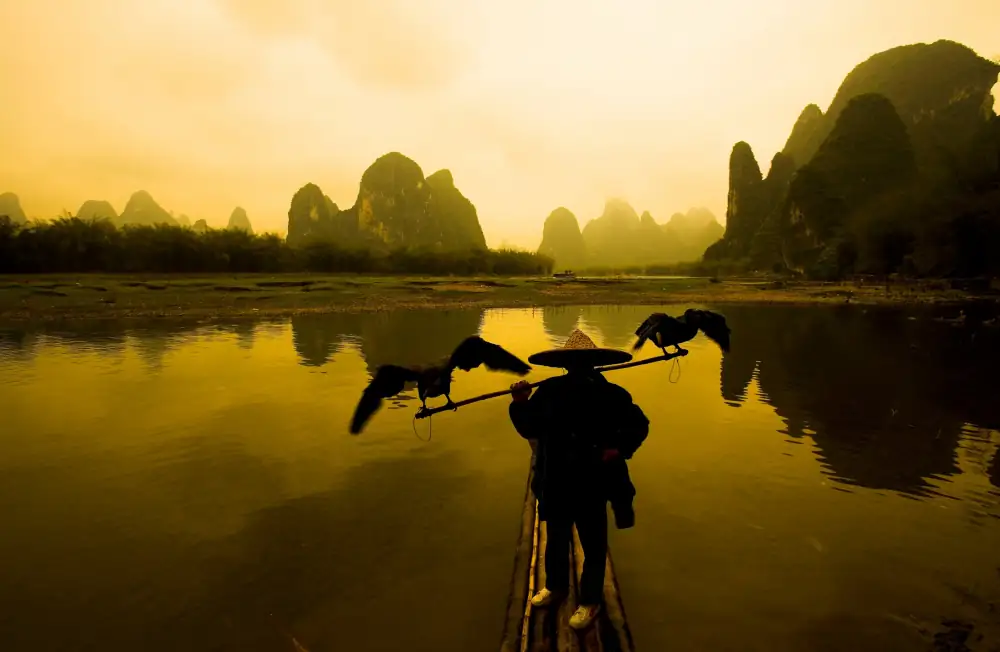
Most visitors to Guilin come for the limestone peaks and the Li River cruise, and fair enough — the scenery is extraordinary. But what many travellers miss is that this region of Guangxi is one of the most ethnically diverse corners of China. The Guangxi Zhuang Autonomous Region is home to over a dozen ethnic minority groups, and the area around Guilin provides access to some of the most vibrant and accessible minority communities in the country.
I’ve spent considerable time in these villages over multiple trips, and what consistently strikes me is how the landscape and culture are intertwined. The Zhuang people’s rice terraces are carved into the same karst hills that tourists photograph from cruise boats. The Yao people’s long drum dances echo through valleys that look like traditional ink paintings. The Miao people’s silver jewellery catches the same light that illuminates the Li River at dawn. Understanding these cultures doesn’t diminish the natural beauty — it deepens it.
The Zhuang — Guangxi’s Largest Minority
Who Are the Zhuang?
With a population of approximately 19 million, the Zhuang (壮) are China’s largest ethnic minority. They’ve inhabited the Guangxi region for thousands of years and have their own language (using both a Romanised script and traditional characters), their own musical traditions, and a distinctive architectural style featuring two-storey wooden houses on stilts known as ganlan (干栏).
Where to Experience Zhuang Culture
Longsheng (龙胜) Zhuang Villages: The Longsheng area, famous for its rice terraces, is also home to several Zhuang villages that receive far fewer cultural tourists than the terrace viewpoints. The village of Jinzhu Zhuang Village (金竹壮寨), about 8 km from the Longsheng rice terrace entrance, is one of the best-preserved Zhuang communities in the region.
Here you’ll find traditional ganlan houses, women weaving Zhuang brocade (壮锦) on ancient looms, and — if you time it right — performances of Zhuang folk songs. The brocade is particularly noteworthy: it’s one of China’s four famous brocades, with a history stretching back over 1,000 years. The geometric patterns in bright reds, yellows, and blues traditionally represent elements of Zhuang cosmology.
Entrance fee: Jinzhu Village charges ¥30 ($4.20 USD) per person, which includes a basic village tour. Brocade demonstrations are usually free, but tipping the weaver ¥10-20 ($1.40-2.80 USD) is appreciated.
Sanjiang (三江) Area: While Sanjiang is more commonly associated with the Dong people (and we’ll get to them), the area also has significant Zhuang communities. The weekly market in the town of Doujiang (斗江), held every Sunday, is a fantastic place to see Zhuang people from surrounding villages in traditional dress trading goods, gossiping, and generally keeping centuries-old social traditions alive.
Zhuang Festivals
Sanyuesan (三月三, Third Day of the Third Lunar Month): This is the biggest Zhuang festival, usually falling in April. It’s essentially a massive singing festival — thousands of Zhuang people gather in open fields and sing antiphonal songs (对歌) to each other across valleys and rivers. Young people traditionally use this festival to find marriage partners through song. It’s loud, joyful, and completely absorbing. Longsheng and the area around Hechi host the most authentic celebrations.
Ox Soul Festival (牛魂节): Held on the eighth day of the fourth lunar month, this is when Zhuang communities honour their water buffalo — the animal most essential to their rice farming. Buffalo are bathed, fed special foods, and given a day of rest. It’s a charming and deeply moving celebration of the human-animal partnership that sustains these communities.
The Yao — Red Turbans and Long Hair
Who Are the Yao?
The Yao (瑶) people are one of China’s most distinctive ethnic groups, with a population of about 3.3 million spread across Guangxi, Hunan, Guangdong, and several other provinces. In the Guilin area, you’ll encounter several Yao sub-groups, the most visually striking being the Red Yao (红瑶) of Longsheng, named for the women’s tradition of wearing bright red tunics.
Huangluo Yao Village — The Long-Hair Village
Huangluo Yao Village (黄洛瑶寨), located in the Longsheng area, has become known as the “World’s Longest Hair Village” — a Guinness World Record holder. The Red Yao women here traditionally grow their hair to extraordinary lengths (often over 1.5 metres) and wear it in elaborate styles that signal their age and marital status. Unmarried women wear their hair wrapped in a cloth covering. Married women with children wear their hair in a bun at the front. Married women without children wear it differently again.
The village puts on daily performances where women unfurl their hair and perform traditional songs and dances. Yes, it’s tourist-oriented, but it’s also genuinely impressive, and the women clearly take pride in maintaining this tradition.
Entrance fee: ¥80 ($11 USD) including the performance. Performances run at 10:00 AM, 1:00 PM, and 3:30 PM.
Deeper Yao Experiences
If you want to go beyond the performance villages, head to the Yao communities around Gongcheng (恭城), about 90 minutes by bus from Guilin. The Yao here are less accustomed to tourists and more likely to invite you into their homes for tea and conversation. The village of Shitou (石头瑶寨) requires a 40-minute hike from the nearest road, which naturally limits visitor numbers and preserves authenticity.
Staying overnight: Several families in Shitou offer basic homestay accommodation for ¥60-100 ($8.30-14 USD) per night, including dinner and breakfast. The food is simple but delicious — mountain vegetables, smoked pork, and rice grown in the surrounding terraces.
Yao Medicine and Bath
The Yao are renowned throughout China for their traditional herbal medicine, particularly the Yao medicinal bath (瑶药浴). This practice involves steeping dozens of wild-harvested herbs in hot water and bathing in the resulting infusion. It’s said to treat everything from joint pain to fatigue, and while I can’t vouch for the medical claims, I can confirm that after a day of hiking in the mountains, a Yao herbal bath feels absolutely heavenly.
Many Yao guesthouses offer herbal baths for guests. Expect to pay ¥50-80 ($7-11 USD) for a private bath session.
The Miao — Silver Jewellery and Festival Splendour
Who Are the Miao?
The Miao (苗) people are perhaps China’s most visually spectacular ethnic minority, known primarily for their extraordinary silver jewellery — a full set of Miao festival silver can weigh over 10 kilograms and is passed down through generations of women. In the Guilin area, Miao communities are less prominent than in Guizhou, but there are significant populations in the Rongshui (融水) area, about 3 hours northwest of Guilin.
Rongshui Miao Autonomous County
Rongshui is the heartland of Miao culture in Guangxi, and it’s far less visited than the Miao areas of Guizhou, which means you get a more authentic experience. The county town itself is unremarkable, but the surrounding villages are extraordinary.
Yarui Miao Village (雨卜苗寨): About 30 km from Rongshui town, this village is perched on a hillside above a crystal-clear river. The traditional wooden houses cascade down the slope, and the village drum tower stands at the centre of communal life. The Miao people here are known for their lusheng (芦笙) dance — a vigorous group dance accompanied by bamboo pipe instruments that can be heard echoing through the valleys for kilometres.
Entrance fee: ¥50 ($7 USD) including a lusheng dance performance.
Accommodation: The village has several basic guesthouses. I stayed at a family-run place that charged ¥80 ($11 USD) per night including dinner — a generous spread of sour fish soup, pickled vegetables, and sticky rice cooked in bamboo tubes.
Miao Festivals
Miao New Year (苗年): Celebrated on the tenth lunar month (usually late October or November), this is when Miao communities don their full festival silver and celebrate with days of singing, dancing, and feasting. Rongshui’s celebrations are among the most authentic in Guangxi.
Sister’s Meal Festival (姊妹节): A romantic festival where young Miao women prepare elaborate meals of coloured sticky rice and present them to potential suitors. Celebrated in the third lunar month (usually April).
The Dong — Wind-Rain Bridges and Grand Songs
While the Dong (侗) people are covered in our Liping Guizhou guide, it’s worth noting that the Sanjiang Dong Autonomous County, about 3 hours north of Guilin by road, provides some of the most accessible Dong cultural experiences in China. The Chengyang Wind-Rain Bridge (程阳风雨桥) — an extraordinary covered wooden bridge built without a single nail — is one of the most impressive examples of Dong architecture anywhere.
Sanjiang can be visited as a day trip from Guilin, but I’d recommend an overnight stay to catch the evening Dong Grand Song (侗族大歌) performances — polyphonic singing that’s been recognised as UNESCO Intangible Cultural Heritage.
Transport: Buses from Guilin to Sanjiang depart every 40 minutes from Guilin Bus Station, taking about 3 hours. Tickets ¥55-70 ($7.60-9.70 USD). High-speed trains from Guilin to Sanjiang South Station take just 40 minutes, tickets ¥30-50 ($4.20-7 USD).
Planning Your Visit
Getting Around the Villages
The minority villages around Guilin are scattered across a large area, and public transport between them is limited. Your options:
Hire a driver: The most convenient option. A car with driver from Guilin costs ¥500-700 ($69-97 USD) per day. This gives you complete flexibility to visit multiple villages in a single day.
Public buses: Guilin Bus Station operates services to Longsheng (2 hours, ¥25-35/$3.50-4.80 USD), Sanjiang (3 hours, ¥55-70/$7.60-9.70 USD), and Rongshui (3 hours, ¥50-65/$7-9 USD). From these towns, you’ll need local transport (motorbike taxis, shared minibuses) to reach individual villages.
Organised tours: Several Guilin-based operators run minority culture day tours for ¥200-400 ($28-55 USD) per person. The advantage is convenience; the disadvantage is that these often feel rushed and tend to visit the most commercialised villages.
How Long to Spend
- Minimum: 2 days — one day for Longsheng (Zhuang and Yao), one day for Sanjiang (Dong)
- Recommended: 4-5 days — add Rongshui (Miao) and a deeper Longsheng experience
- Ideal: 7 days — allows for overnight stays in villages and festival attendance
Ethical Considerations
Visiting minority villages raises important questions about cultural tourism. Here are my guidelines:
- Spend money locally. Buy handicrafts directly from the makers, eat in village restaurants, and stay in village guesthouses rather than chain hotels.
- Ask before photographing. This seems obvious but is constantly violated. Learn the phrase “可以拍照吗?” (Kěyǐ pāizhào ma? — Can I take a photo?)
- Go beyond performance villages. The villages that put on daily shows for tourists are worth seeing, but they don’t represent the full picture. Make the effort to visit more remote communities.
- Respect sacred spaces. Drum towers, ancestral halls, and shrines are active religious spaces, not photo studios.
- Don’t bargain too hard. The prices for handicrafts in these villages are already very low by Western standards. Haggling over ¥10 isn’t worth the impact on someone’s livelihood.
Food in Minority Villages
Each ethnic group has distinctive culinary traditions:
Zhuang: Sour fish (酸鱼), five-colour sticky rice (五色糯米), and bamboo tube rice (竹筒饭). The sour fish is fermented in rice bran and has a pungent, complex flavour unlike anything else in Chinese cuisine.
Yao: Oil tea (油茶) — a savoury tea-based soup made with tea leaves fried in camellia oil, served with puffed rice, peanuts, and fried dough. It’s an acquired taste but absolutely central to Yao hospitality. Refusing oil tea from a Yao host is considered impolite.
Miao: Sour soup fish (酸汤鱼) — the Miao version uses a different fermentation base than the Zhuang sour fish, resulting in a lighter, more tangy flavour. Also try Miao smoked meat (腊肉) and pickled chillies.
Budget Estimate (5 Days)
| Item | Budget (¥) | Mid-Range (¥) |
|---|---|---|
| Transport from Guilin (local buses) | 300 | 2,500 (private driver) |
| Accommodation (4 nights) | 320 | 800 |
| Meals | 400 | 700 |
| Village entrance fees | 250 | 250 |
| Activities (performances, baths) | 200 | 400 |
| Handicraft purchases | 200 | 600 |
| Total | ¥1,670 ($231 USD) | ¥5,250 ($726 USD) |
Final Thoughts
The minority villages around Guilin offer something that the famous karst scenery alone cannot — a living connection to cultures that have thrived in this landscape for millennia. I’ve watched a Zhuang grandmother teach her granddaughter to weave patterns that her own grandmother taught her, and I’ve sat in a Miao kitchen sharing sticky rice with a family who’d never had a foreign guest before. These moments don’t make it onto postcards, but they’re what I remember most. Come for the scenery by all means, but make time for the people who call this extraordinary landscape home.