
Kaili and the Miao Festivals: Authentic Minority Culture
Kaili (凯里) in southeastern Guizhou province is the gateway to one of China’s most remarkable concentrations of living ethnic minority culture. The Miao people (苗族, also known as Hmong in Southeast Asia and diaspora communities) have lived in Guizhou’s mountainous terrain for centuries, preserving cultural traditions — elaborate silver jewelry, hand-embroidered textiles, distinctive music and dance, and a complex ceremonial calendar — of extraordinary richness.
The challenge for travelers: distinguishing authentic cultural engagement from staged performances designed for tourism. Both exist in the Kaili area, often side by side. This guide focuses on finding genuine festival experiences while acknowledging the inevitable complexities of cultural tourism.
Understanding Miao Culture
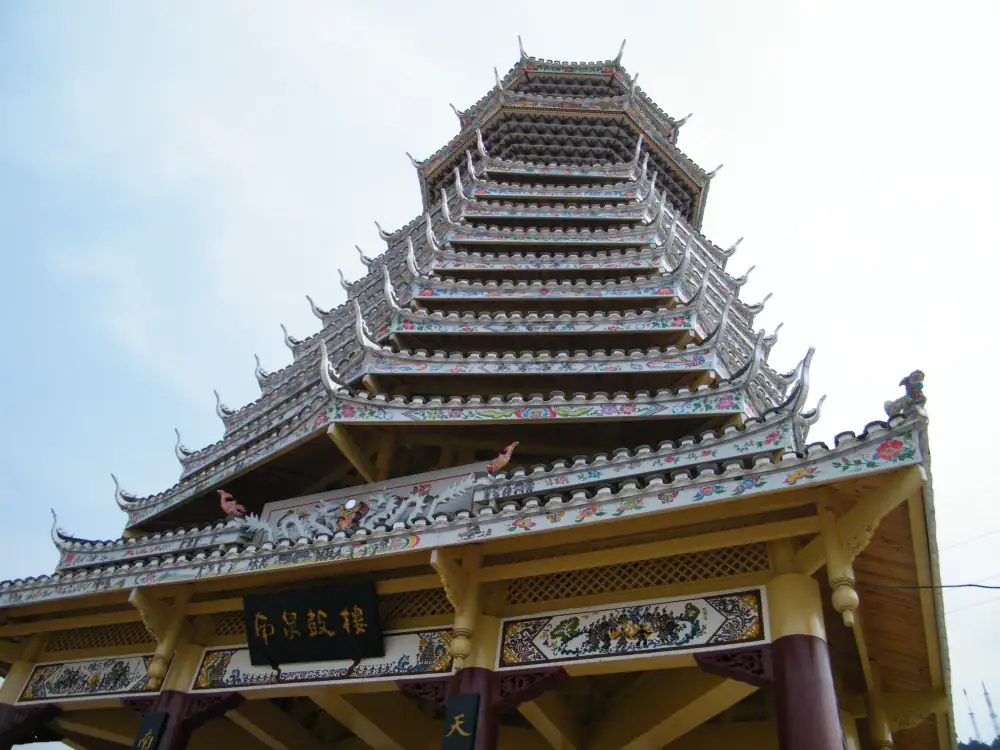
The Miao are not a monolithic group — dozens of distinct subgroups with different languages, clothing styles, and ceremonial traditions are collectively described as “Miao” in Chinese administrative categories. The most visible differences are in women’s traditional dress (different embroidery patterns, different headdress styles, different silver ornament designs identify specific village communities).
Silver jewelry: Miao women traditionally wear elaborate silver headdresses, necklaces, bracelets, and earrings that represent family wealth accumulated across generations. A full traditional silver set can weigh several kilograms and represent significant financial value. The silversmithing tradition is maintained in many villages, with master craftsmen creating pieces using traditional techniques.
Embroidery: Miao embroidery is internationally recognized for its technical sophistication and narrative complexity — garment surfaces are covered with geometric patterns, animal motifs, and scenes from mythology that encode cultural memory. Each village has distinct embroidery styles; skilled observers can identify village origin from the clothing pattern.
Music: The lusheng (芦笙) — a bamboo pipe instrument — is central to Miao cultural identity. Lusheng playing accompanies virtually all ceremonial events; skilled players are highly respected in their communities. The tones of the lusheng have specific ceremonial meanings that inform the social context of each performance.
The Major Festival Calendar
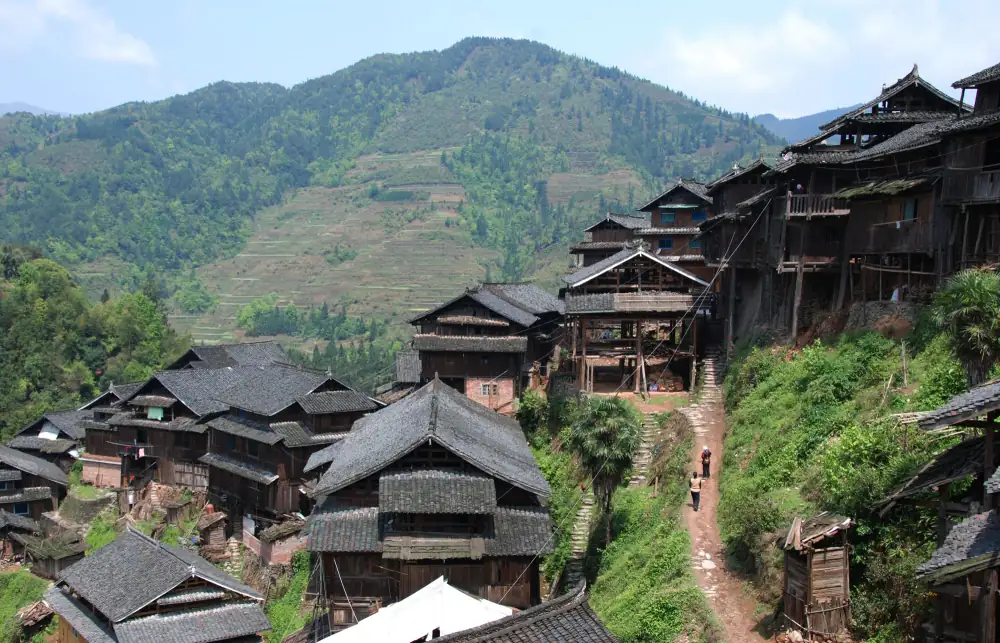
Miao festivals follow a lunar calendar; exact Gregorian calendar dates vary annually. The major festivals that attract significant attendance:
Miao New Year (苗年, Miáonián)
Held in the 10th-11th lunar months (typically November-December), the Miao New Year is the most important annual ceremony. Celebrations last 3-5 days and include:
- Ritual ancestor veneration ceremonies
- Lusheng dances in village squares
- Bullfighting (traditional entertainment, not Spanish-style — two bulls facing off)
- Boat racing (in villages with accessible rivers)
- Young people’s courtship singing and dancing
The Miao New Year celebrations at Xijiang (西江) — the world’s largest Miao village, 35 km from Kaili — are the most accessible and elaborate. Thousands of visitors attend, and the village’s 1,200 households all participate.
For authenticity: The early morning and late evening ceremonies are attended primarily by villagers. The midday period is when organized tourist performances occur. Being present for the village’s own internal celebrations (earlier and later in the day) yields a more genuine experience.
Lusheng Festival (芦笙节)
Multiple Lusheng festivals occur at different villages throughout the year; the major ones are in February-March (after the Chinese New Year). The festivals feature competitive lusheng playing and dancing, with participants from dozens of surrounding villages competing in elaborate coordinated performances.
Location: The Parang Lusheng Festival (巴拉河流域芦笙节) is one of the most significant; villages along the Bala River between Kaili and Leishan County participate.
Sisters’ Meal Festival (姐妹节, Jiěmèi Jié)
Held in the 3rd lunar month (typically April), the Sisters’ Meal Festival celebrates young women’s romantic possibilities. The signature ritual: young women prepare rice dyed in various colors using natural plant pigments, then present portions of colored rice to potential suitors; the colors and objects hidden in the rice (chopsticks = acceptance; chili = rejection) communicate her feelings without direct speech.
This festival is held at multiple locations; the Shidong (施洞) Sisters’ Meal Festival near Taijiang County is the most famous.
Xijiang Miao Village (西江苗寨)
Xijiang is the most visited and most organized Miao tourism destination. Its scale is unique — 1,200+ households on a terraced hillside form China’s (and possibly the world’s) largest single Miao village.
What to expect: The lower parts of the village adjacent to the main road have been heavily commercialized. Silver jewelry shops (many selling machine-made rather than handcrafted pieces), tourist restaurants, and organized performance areas dominate. The upper residential terraces are more genuine — families go about daily life while tourists wander through.
The evening performance (风雨桥表演): The organized evening performance on the riverside stage is a condensed, highly produced version of Miao traditional arts — lusheng dance, drum performance, singing. It’s clearly staged for tourism but the performers are genuinely skilled and the content reflects authentic tradition. Entry: ¥80-100.
Entry fee: ¥100 for the village (includes basic performances; entertainment area charges additional).
The authentic version: Walking the upper residential terraces, particularly in the morning before the tour groups arrive, allows direct interaction with village residents going about daily life. The contrast between the tourist zone below and the residential terraces above is stark.
Langde Upper Miao Village (郎德上寨)
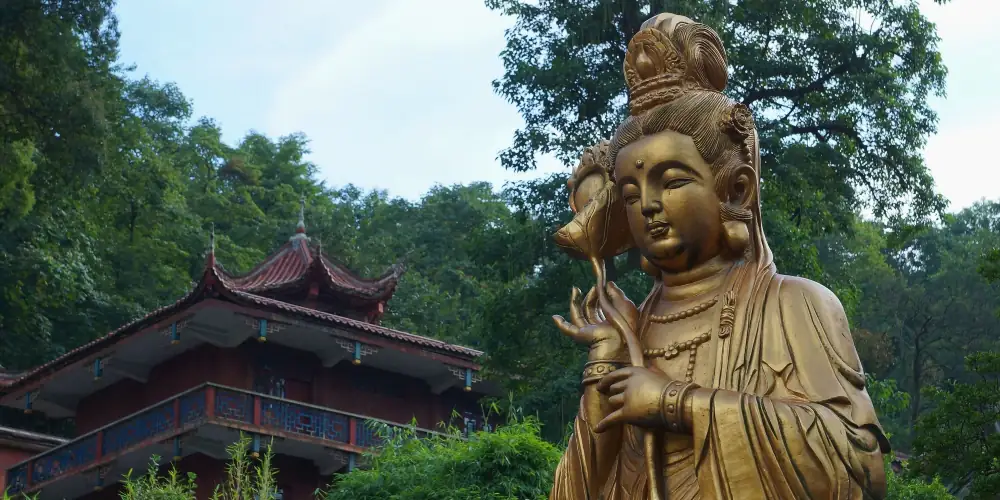
A smaller (80 household), less commercialized alternative to Xijiang. Langde was designated as a national-level protected cultural heritage village in 1997 and has maintained its traditional architecture (the village has a specific requirement that new buildings match the traditional style) and cultural practices more completely than larger villages.
Key difference: Langde doesn’t charge entry for the village itself (though organized performance groups ask for nominal contributions). The feeling is genuinely residential rather than tourist-oriented.
How to visit independently: Bus from Kaili to Langde (about 1 hour, ¥8). Walk into the village following the main path; the village head’s family compound is near the center and serves as an informal information point.
Practical Information
Getting to Kaili:
- High-speed train from Guiyang: 1 hour (Guiyang is Guizhou’s capital with direct trains from major Chinese cities)
- High-speed train from Chengdu: approximately 3 hours
- By air: Guiyang Longdongbao Airport, then train to Kaili
From Kaili to villages:
- Frequent buses from Kaili bus station to major villages (Xijiang, Langde, Taijiang, etc.)
- Organized tours available from Kaili hotels for less bus-accessible villages
- Renting a car or moto-taxi is practical for reaching remote villages
Photography etiquette:
- Always ask permission before photographing people, particularly during ceremonies
- Do not photograph ritual objects without explicit permission
- The camera is often a barrier to genuine interaction; put it down sometimes
Best Season: Festival timing is the primary variable. Year-round, the villages and landscape are beautiful; the festivals add unmissable cultural content. Autumn (September-November) is excellent for landscape photography and coincides with pre-harvest season activity.
Accommodation in Kaili: Several mid-range hotels and budget guesthouses in the city. Staying within villages is possible (homestays are available in most major Miao villages) — the overnight experience allows participation in morning and evening activities that day visitors miss.
The Miao cultural region of Guizhou is one of the most extraordinary experiences of living ethnic minority tradition available to travelers anywhere in the world. The art forms are genuinely world-class — the embroidery and silversmithing rival the finest traditional crafts anywhere. The festivals are genuinely alive, not museum pieces. The key is approaching this cultural richness with humility, patience, and genuine curiosity rather than as a consumer of entertainment.