
Guizhou Province (贵州省) is the most ethnically diverse province in China — 49 officially recognised ethnic groups share the mountainous terrain, including the Miao (苗族, one of the world’s largest minority groups globally) and the Dong (侗族). The villages and cultural practices of these communities have been preserved by Guizhou’s historical inaccessibility — the mountains made modernisation slow, and the traditional architecture, agricultural practices, and festival culture survived.
The trade-off: the most well-known Miao village (Xijiang/Qianhu Miao Village) has become extremely commercialised. The genuinely authentic villages require more effort to reach.
Xijiang: The Famous and Commercialised
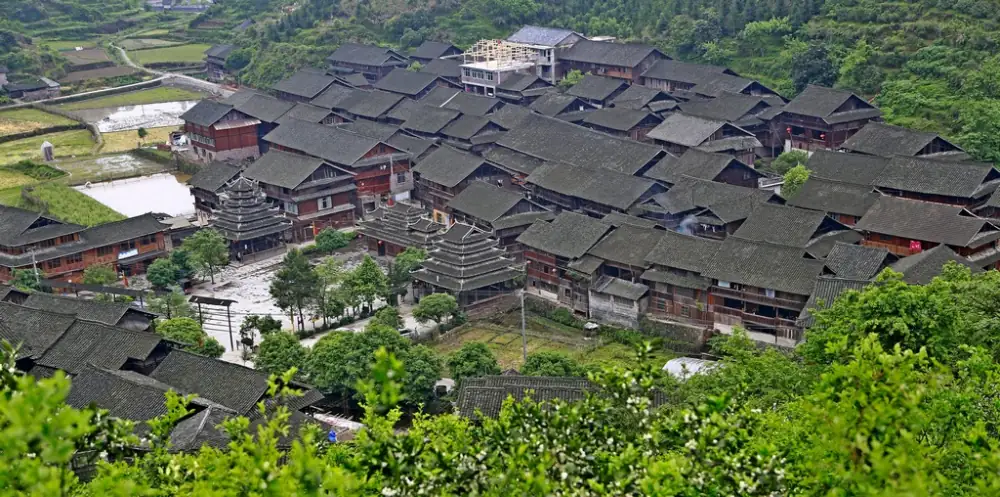
Xijiang Miao Village (西江千户苗寨) is the most-visited village in Guizhou — “Thousand-Household Miao Village,” the largest Miao settlement in China. The terraced wooden-stilted Miao houses climbing the valley sides are breathtakingly beautiful. The cultural performances (evening dance and music shows), the craft market, and the silver jewellery workshops are all genuine in origin — but the tourist density (2 million visitors/year) has made Xijiang feel more like a cultural theme park than a living village.
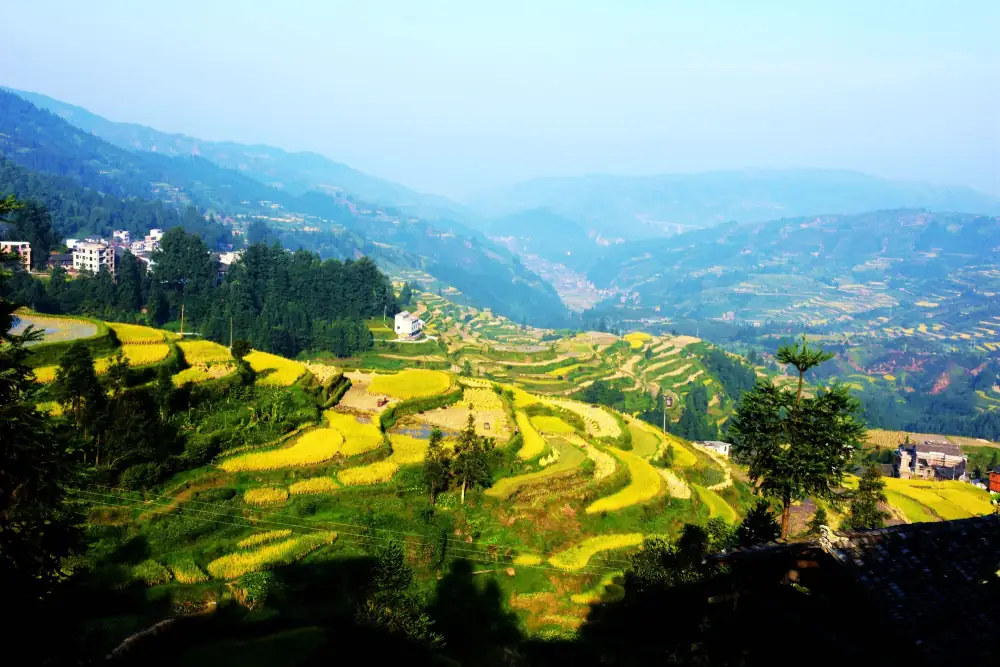
Still worth visiting, but temper expectations for authenticity. The architecture is extraordinary; the surrounding rice terraces are beautiful; the evening light on the village is spectacular.
Beyond Xijiang: The Authentic Circuit
Basha Miao Village (岜沙苗寨)
30km south of Xijiang, Basha is a small Miao village where men still carry traditional weapons and maintain pre-modern customs that were suppressed in most of China for decades. The village is small (300 families) and receives far fewer visitors than Xijiang.
What’s distinctive: The men of Basha maintain the custom of bun hair (发髻) — traditionally taboo to cut throughout a man’s life. The village has its own sacred tree-protection customs and a distinctive costume with the colour scheme different from Xijiang.
Zhaoxi Dong Village (肇兴侗寨)
In Liping County (黎平), Zhaoxi is the largest Dong village in China — not the most visited (that’s the heavily touristed Zhaoxing, different writing). Zhaoxi has five drum towers (鼓楼, the signature Dong communal structure), a series of covered wind-and-rain bridges (风雨桥), and rice paddies around the village perimeter.
The Dong community life around the drum tower — evening singing groups, elder men playing cards, children practicing the Dong song tradition — is visible to visitors who simply sit and observe rather than following guided itineraries.
Rongjiang Dong Village Market (榕江侗寨集市)
Rongjiang’s weekly market (held every 5 days on the Dong calendar) gathers Dong, Miao, and other minority communities from dozens of surrounding villages. Market items include hand-woven indigo-dyed cloth, medicinal plants, live animals, traditional foods, and handicrafts — genuine commerce rather than tourist market performance.
Market timing: The specific day changes on the 5-day cycle; ask at your accommodation the day before or check with local guides.
Practical Notes
Getting to the Guizhou minority villages: Kaili (凯里) is the hub city for the eastern Miao/Dong region — 2 hours by HSR from Guiyang (贵阳), which connects to the national rail network.
Language: Guizhou minority villages have their own languages. Mandarin is spoken by younger villagers; Miao language (several dialects) is the community language.
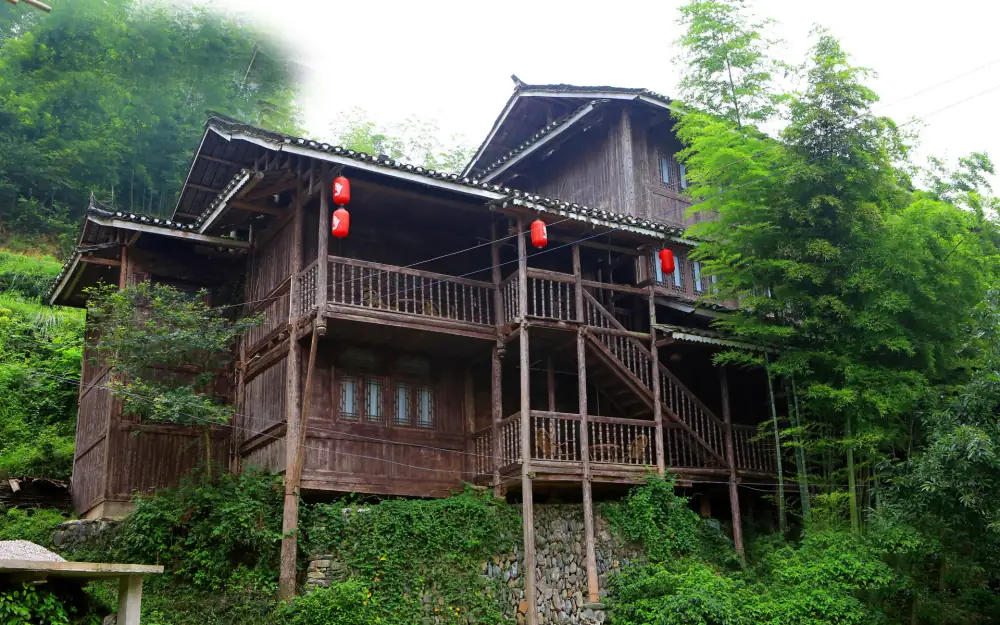
Accommodation: Village guesthouses in wooden Miao/Dong houses exist throughout the circuit. Simple but authentic — you stay in the village rather than observing it.
Festival timing: Miao New Year (苗年, date varies by village) and the Lusheng Festival are the most spectacular cultural events.
Also see: Guizhou Travel Guide | Yunnan Minorities Guide | China Minority Culture Guide