
Table of contents
Open Table of contents
Understanding Kaili and the Miao People
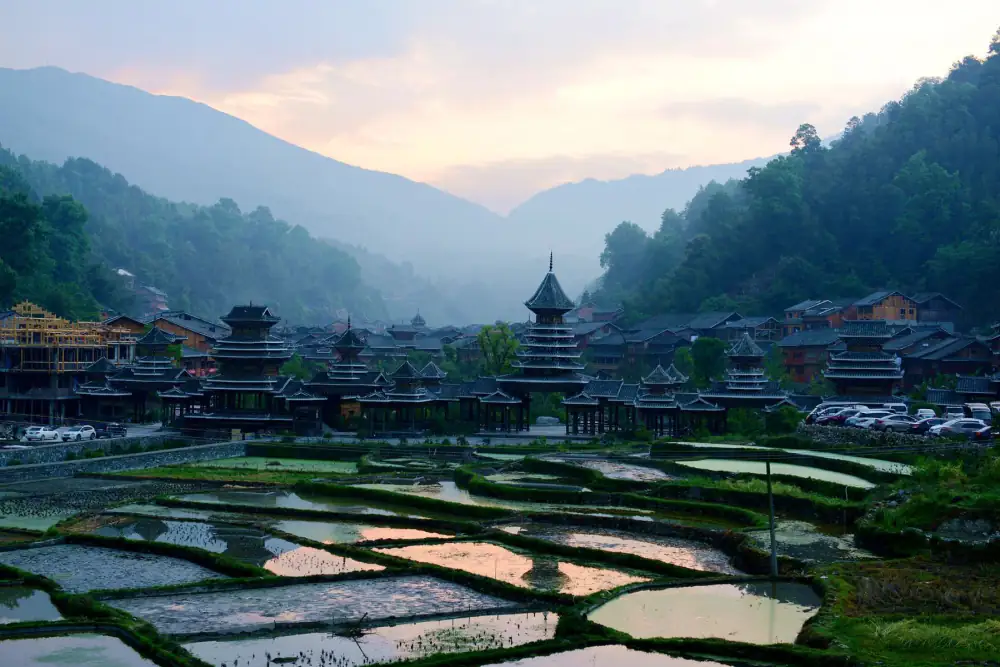
Kaili (凯里) is the capital of Guizhou’s Qiandongnan Autonomous Prefecture — a region covering about 30,000 square kilometres of steep karst hills and river valleys, home to roughly 4.8 million people across more than 30 ethnic groups, of which the Miao and Dong are the most numerous.
The Miao people (苗族) have lived in these hills for thousands of years, and their material culture — particularly their silver jewelry, hand-embroidered textiles and distinctive architecture — represents one of the world’s richest surviving traditions of non-literate artistic heritage. Their villages follow no Roman grid; they cascade down hillsides in organic clusters of wooden stilt houses, anchored by communal drum towers and crossed by covered “wind-and-rain bridges.”
Kaili city itself (population about 500,000) serves as the logistical hub for exploring dozens of nearby villages. It has airports, a high-speed rail station, banks, hospitals and all the infrastructure a traveller needs — while remaining small enough to feel manageable.
Kaili City: The Base
Kaili Ethnic Museum (凯里民族博物馆)
The best introduction to Miao and Dong culture before venturing into the villages. The collection includes extraordinary examples of embroidery, silver headdresses (some weighing 3–5 kg), traditional instruments and ceremonial items. The museum is relatively small but very well curated, with English labelling on most major exhibits.
Tickets: ¥30 ($4). Open daily 09:00–17:00 (closed Mondays).
Kaili Miao Silver Market
The city has a well-established silver jewelry market centered on Dashizi Street (大十字) in the commercial centre. Miao silver is distinct from other Chinese silver jewelry in its scale (headdresses and chest ornaments can cover the entire upper body) and its iconography — buffalo horns, butterflies, flowers and abstract spiral patterns are recurrent motifs.
Prices for smaller pieces start from ¥30–¥80 ($4–$11) for earrings and simple bangles; full headdresses can run from ¥800 to ¥8,000+ ($112–$1,100) depending on weight and craft quality. Bargaining is expected and often produces 20–30% reductions from initial asking prices.
For high-quality pieces, the villages themselves (particularly Shiqiao for paper-making and Leigong Mountain area) have better craft directly from artisans.
The Best Villages Around Kaili
Xijiang Miao Village (西江千户苗寨)
The largest Miao settlement in the world, Xijiang (也called Qianhu Miao Village — “Thousand Household Miao Village”) sprawls across a hillside about 35 km from Kaili. Over 1,200 households and approximately 6,000 residents live in traditional wooden stilt houses that cascade down the hill like an organic tapestry.
The village has been developed for tourism — perhaps too heavily developed for some tastes, with an entrance fee, fixed performance times and restaurants serving tourists. But the architecture is genuinely spectacular, the resident community is real (not a theme park), and early morning walks through the upper village above the tourist trail reveal daily life largely unchanged.
Best experience: Arrive early (before 09:00) and climb to the viewpoint above the village for the panoramic shot. Return at dusk when the thousands of warm lights make the hillside glow. Stay overnight to experience the village after the day-trippers leave.
Tickets: ¥100 ($14). Including admission and evening light show. Transport: Regular buses from Kaili’s main bus station, 1 hour, ¥25 ($3.5).
Langde Shang Miao Village (郎德上寨)
Smaller than Xijiang but less commercialised, Langde Shang is a UNESCO-listed example of Miao village architecture. Visiting this village is more likely to involve genuine cultural exchange — sitting with elders, watching embroidery being worked and drinking rice wine pressed into your hands by women in full festival dress.
The village is famous for its “twelve-bowl ceremony” — a communal welcoming ritual involving twelve small bowls of rice wine that arriving visitors are expected to drink. This is genuinely hospitable rather than theatrical; pace yourself.
Transport: Bus from Kaili to Leishan County, then local minibus to Langde; total 1.5–2 hours. Or hire a car from Kaili (¥200–¥300 round trip).
Shiqiao Paper Village (石桥村)
About 70 km north of Kaili, Shiqiao is famous for its tradition of hand-making paper from bark and plants. Several households maintain the craft and welcome visitors to watch the process. The paper produced here — thick, textured, sometimes embedded with flower petals — is used for calligraphy and has attracted interest from artists worldwide.
Accommodation is available in guesthouses (from ¥80–¥150/night, $11–$21). Combine with the nearby Bala River gorge for hiking.
Matang Gejia Village (麻塘革家寨)
The Gejia (革家人) are a small ethnic group related to the Miao with distinct costume traditions: bright red embroidered dresses and wax-resist dyeing techniques. Matang is the primary centre for Gejia culture and receives fewer visitors than Xijiang, making for a more intimate encounter.
Transport: Buses from Kaili to Kaili county-level roads; best arranged through guesthouses or hired car.
The Festival Calendar
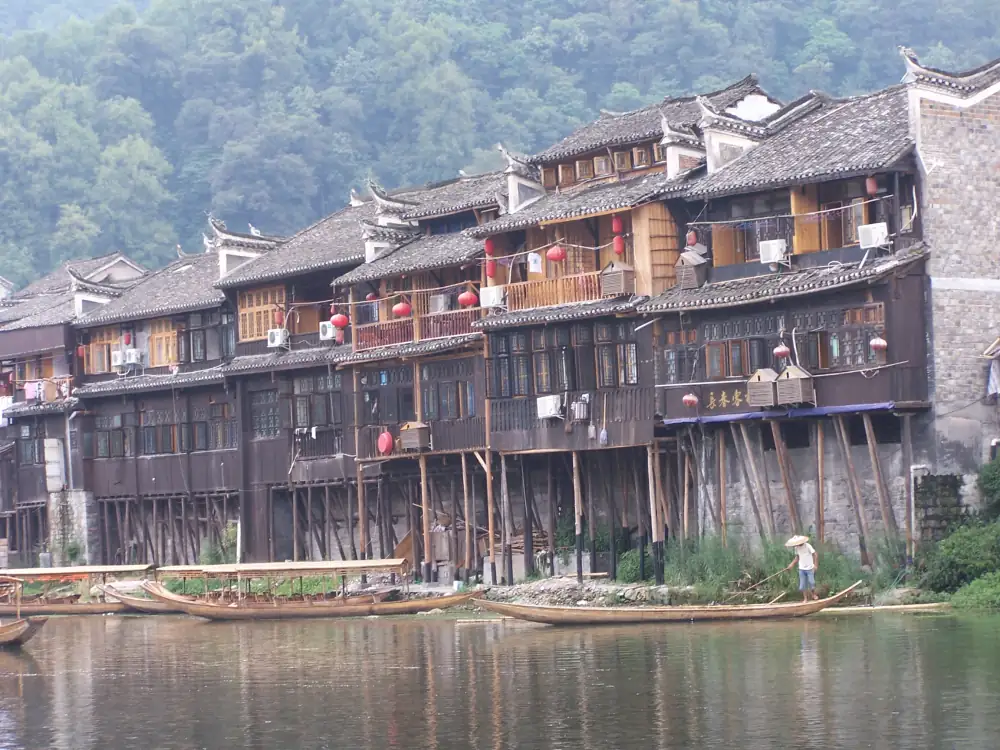
The greatest way to experience Miao and Dong culture in Kaili is during a festival, and the region has an extraordinarily rich festival calendar. Many festivals follow the lunar calendar and shift dates annually; verify exact dates before planning.
Lusheng Festival (芦笙节): The most widespread, featuring competitive lusheng pipe playing, bullfighting and courtship singing. Major festivals at Zhouxi, Gulong and numerous villages across January–February (lunar calendar).
Miao New Year (苗年): Celebrated in the 10th lunar month (typically November) with feasting, cattle fighting and elaborate costume parades. The celebrations in Xijiang and Leishan are the largest.
Sisters’ Meal Festival (姊妹节): Third lunar month (typically April). Young Miao women make glutinous rice packets with secret messages inside for young men. One of China’s most unusual courtship festivals. Best experienced at Taijiang County.
Drum Dance Festival (鼓藏节): Held every 13 years (next in 2027–2028); the most sacred Miao festival, involving ancestral sacrifice and community renewal. If it coincides with your travel, move heaven and earth to attend.
Dong Singing Festival: The Dong people in Rongjiang and Congjiang hold group singing (大歌 — polyphonic choir singing, UNESCO Intangible Heritage) festivals in autumn.
Getting to Kaili
From Guiyang
High-speed rail (recommended): Guiyang North to Kaili South takes 35–50 minutes; tickets ¥48–¥80 ($7–$11). Services run every 30–60 minutes.
Regular train: Guiyang to Kaili (old station) takes 2 hours; ¥30–¥50 ($4–$7).
Bus: Regular coaches from Guiyang Bus Terminal to Kaili, 1.5–2 hours, ¥50–¥70 ($7–$10).
From Other Cities
- Chongqing: High-speed rail via Guiyang, approximately 2.5 hours total.
- Guangzhou: High-speed rail to Guiyang (3 hours), connect to Kaili.
- Fly: Kaili Airport (黔东南凯里黄平机场) has flights from Guangzhou, Shenzhen, Beijing, Kunming and Shanghai. Often competitive prices; worth checking for routes from south China.
Where to Stay
In Kaili City
Budget: Multiple hostels near the old bus station and along Zhongshan South Road from ¥60–¥100/night ($8–$14) for dorms; ¥150–¥220 for private rooms.
Mid-range: Kaili Junhua Hotel (凯里俊华大酒店): Clean, central, rooms from ¥280–¥380 ($39–$53). Reliable choice.
Upscale: Kaili Wanda Hotel: Best business hotel in the city; rooms from ¥500–¥800 ($70–$112).
In the Villages
Staying overnight in Xijiang or Langde gives a completely different experience from day-tripping. Guesthouse rooms are typically wooden buildings, simple but atmospheric, from ¥120–¥280/night ($17–$39). Some villages have newer boutique homestays (民宿) with more comfort from ¥380–¥680.
What to Eat in Kaili
Kaili’s food reflects Miao cooking traditions: sour, spicy and fermented. The city is famous for:
- Kaili Sour Fish Hot Pot (凯里酸汤鱼): A fermented red chilli and tomato broth with fresh river fish. One of Guizhou’s most distinctive dishes. Try it at Kaili Restaurant on Shaoshan Road — about ¥80–¥120 for two people.
- Rice wine (米酒): Miao rice wine is mildly alcoholic and sweet. It’s pressed to your lips at every village welcome ceremony; polite acceptance is culturally appropriate.
- Glutinous rice snacks: Purple, pink and yellow glutinous rice dumplings are sold at markets throughout the region.
Practical Tips
- Dress code for festivals: If attending a festival, visitors are generally welcome. Wearing traditional Miao costume offered by local guesthouses for photo purposes is common. Ask before photographing individuals.
- Language: Kaili city has limited English; Miao and Dong villages have essentially none. A translation app is helpful; WeChat Translate works well offline. Consider hiring a bilingual guide from Kaili for village visits (¥200–¥400/day).
- Photography etiquette: Ask before photographing people at close range, especially elders. Small gifts (fruit, candy, a small amount of cash) are appreciated in less touristy villages.
- Rainy season: June–August is wet. The landscape is beautiful but trails to villages can become muddy. Pack waterproof shoes and a light rain jacket.
- Altitude: The plateau averages 800–1,200m. Temperatures are significantly cooler than lowland Guizhou year-round; nights can be cold even in summer.
Final Word
Kaili and the Qiandongnan villages represent one of the most authentic surviving examples of minority culture accessible to independent travellers in China. The experience is not frictionless — language barriers are real, transport requires planning, and the most interesting villages take time to reach. But the reward is genuine contact with traditions that have evolved over more than a thousand years, in landscapes of remarkable beauty.
If you have a week in Guizhou, spend three or four days based in Kaili. You’ll leave with embroidery, rice wine stories, photographs you don’t quite believe you took and a strong desire to come back.