
Table of contents
Open Table of contents
- The Symbol of Guilin: Why Elephant Trunk Hill Matters
- Practical Information: Tickets and Opening Hours
- Photography: Best Spots and Timing
- Inside the Scenic Area: What to See
- Free External Views: Getting the Elephant Shot Without Paying
- Combining Elephant Trunk Hill with Other Guilin Attractions
- When to Visit Guilin and Elephant Trunk Hill
- Practical Tips
The Symbol of Guilin: Why Elephant Trunk Hill Matters
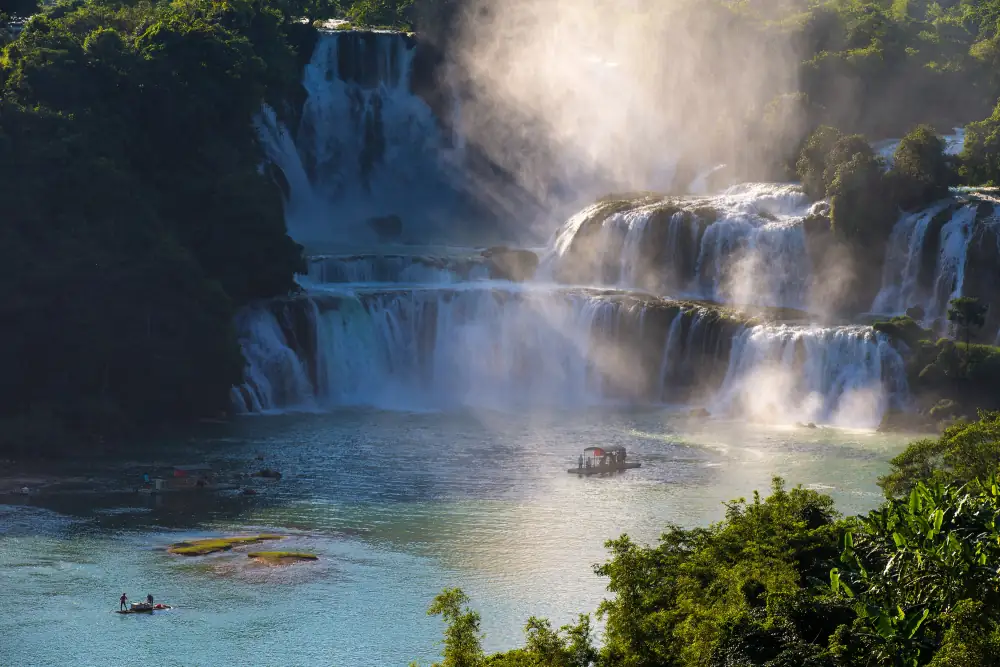
Of all the extraordinary karst formations rising from the flat plains around Guilin, Elephant Trunk Hill (象鼻山, Xiàngbí Shān) has a special status. For over a thousand years — referenced in Tang dynasty poetry, depicted in imperial paintings, and now reproduced on everything from hotel key cards to regional bank notes — this particular hill has served as the visual shorthand for Guilin itself.
The reason is obvious the moment you see it. The hill is shaped almost exactly like an Asian elephant dipping its trunk into the Li River. The “trunk” is formed by a water-level arch worn through the soft limestone by the river’s erosive action over millions of years. The arch creates a perfectly circular opening, and within this opening, the reflection of moonlight on calm evenings creates a second moon in the water — a spectacle celebrated in classical poetry as one of “Guilin’s Eight Scenic Wonders.”
In 2026, Elephant Trunk Hill remains one of Guilin’s most visited attractions, though the admission fees and the existence of several free external viewpoints mean you can tailor your visit to your budget and interests.
Practical Information: Tickets and Opening Hours
Admission Prices (2026)
- Full ticket (comprehensive scenic area): ¥75 per person
- Children under 1.2m: Free
- Children 1.2m–1.4m: Half price
- Seniors over 70: Free with ID
- Scenic area boat tour (additional): ¥40 for a short cruise through the arch
Opening hours: 8:00 AM – 6:00 PM daily (last entry 5:30 PM). Extended to 8:30 PM during summer peak season.
Is the Ticket Worth It?
The paid ticket gets you access to the interior of the scenic area, including:
- Walking paths up around the hill to viewpoints
- Puxian Tower (普贤塔) on the hilltop, a small Tang-dynasty-style pagoda
- Several caves with stalactite formations
- Yue Cliff (岳壁岩) with ancient poems carved into the rock face
For those primarily interested in the iconic exterior view and photographs, the free viewpoints across the river are arguably better. More on this below.
Photography: Best Spots and Timing
The Classic View
The signature photograph of Elephant Trunk Hill — the elephant silhouette with the arch reflected in the Li River — is taken from the north bank of the Li River, roughly opposite the hill. There are two main access points:
From Binjiang Road (滨江路): The public riverside promenade that runs along the Li River is free to access and offers clear views of the hill across the water. This is approximately 200–300 metres from the hill itself. This is where the majority of photographers set up, and it’s entirely free.
From Zhengyang Pedestrian Street area: A slightly elevated angle from the commercial street near Binjiang Road can include the river, the hill, and reflections in a single frame.
The Moon in the Arch
The circular arch reflects perfectly in still water — the classic “moon in water” image. Conditions needed:
- Calm, windless day (eliminates ripples)
- Golden hour lighting (sunrise or sunset)
- Clear sky for maximum reflection contrast
The best light on the hill itself is morning light from the east, which illuminates the elephant-facing side of the peak. Arrive before 8 AM in summer (7 AM in spring/autumn) for the most dramatic light. The reflection is clearest in the early morning before river traffic disturbs the water.
Drone Photography Note
Drone flight requires permits in Guilin urban areas and is increasingly restricted near the main tourist attractions. Check current regulations with your accommodation before flying.
Night Photography
The scenic area and riverside are illuminated in the evenings during summer months. The lit hill reflected in the river creates dramatic photographs, and the arch turns golden under artificial lighting. Evening entry is available at reduced or standard prices depending on season.
Inside the Scenic Area: What to See
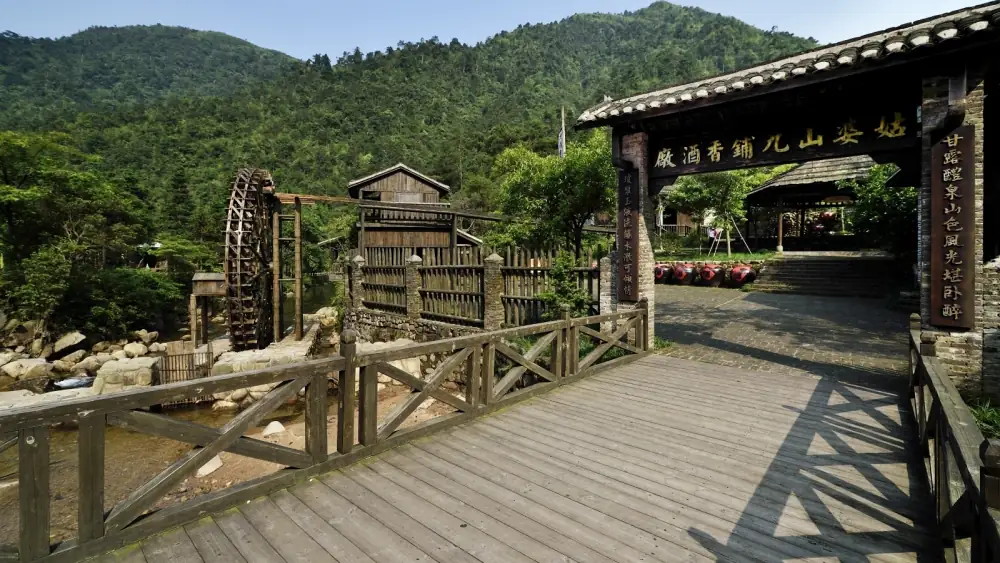
The Water Moon Cave (水月洞)
This is the arch itself — the elephant’s trunk. At water level, you can take a small boat through the arch (tickets sold separately within the site, approximately ¥40). Looking up from inside the arch, the circular opening frames the sky perfectly. The cave walls are covered with carved inscriptions from visitors and poets spanning from the Tang through Qing dynasties.
Puxian Tower (普贤塔)
Climbing to the hilltop rewards visitors with panoramic views over Guilin’s surrounding karst landscape. The Tower itself dates to the Ming dynasty. The climb takes about 20 minutes from the base. The view at sunset, with the Li River catching the light and dozens of karst peaks visible in every direction, is exceptional.
Sword Test Stone (试剑石)
A large boulder split vertically in the approach path. Local legend attributes this to the sword of a general testing his blade. It’s actually a geological curiosity — a natural fracture in a limestone boulder — but makes for good photos.
Tang Dynasty Stone Inscriptions (唐代摩崖石刻)
Along the inner walls and cave faces, inscriptions from the Tang, Song, Ming, and Qing dynasties have been carefully preserved. These literary and calligraphic records are genuinely historically significant. Bring a headlamp to see them properly in the shadowed sections.
Free External Views: Getting the Elephant Shot Without Paying
For budget travellers, there’s no need to pay ¥75 for a view that’s arguably better from outside the paid area:
Binjiang Road (滨江路) — North Bank: Walk along the public riverside promenade. The view of the hill is excellent from here, and reflections in the river are undisturbed by entrance structures. This is where serious photographers often set up. Free access.
Zhengyang Pedestrian Zone: The commercial street parallel to Binjiang Road has elevated sections where the hill is visible over the riverbank. Combined with good coffee from the many cafés facing the river, this makes for a pleasant morning.
Boats on the Li River: Multiple boat tours on the Li River pass Elephant Trunk Hill and provide a completely different perspective — looking up at the arch from the water. River tour boats operate from Binjiang Wharf and prices vary from ¥30 for short cruises to ¥150+ for longer tours.
Combining Elephant Trunk Hill with Other Guilin Attractions
Elephant Trunk Hill sits in central Guilin, making it easy to combine with other sights in a single day.
Walking distance (within 20–30 minutes on foot):
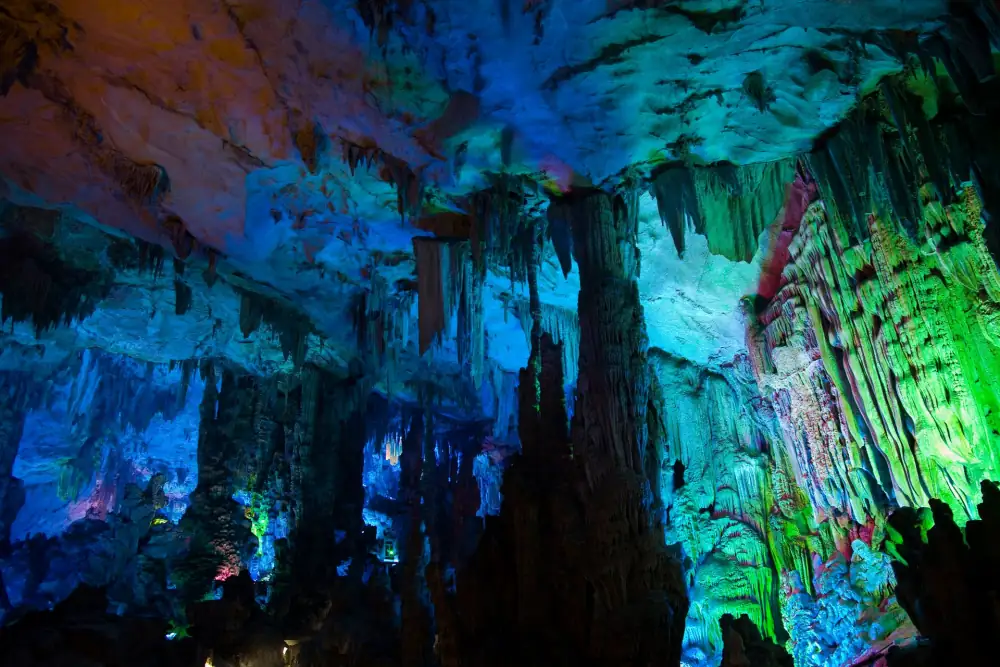
- Reed Flute Cave (芦笛岩): 4km northwest. Famous illuminated stalactite cave. Entry ¥80. Bus routes connect the sites.
- Fubo Hill (伏波山): 1km north. Another karst peak accessible to climb, with a famous “Sword Test Stone” (a different one) and good river views. Entry ¥25.
- Solitary Beauty Peak (独秀峰): 1.5km north. The peak in the centre of Guilin city, rising from the site of the old royal palace. Excellent panoramic views. Entry ¥70.
- Two Rivers Four Lakes cruise (两江四湖): Starts near Elephant Trunk Hill, this evening boat cruise circles through Guilin’s central lake and river system past illuminated historic bridges and karst scenery. Highly recommended. Evening departures from ¥150.
Slightly further (30–60 minutes by taxi or bus):
- Seven Star Park (七星公园): East bank of the Li River. Guilin’s largest park with multiple karst peaks to climb. Entry ¥60.
- Longji Rice Terraces: 90km north. Full-day trip from Guilin.
When to Visit Guilin and Elephant Trunk Hill
Best Months
April–May and September–October are ideal. The Li River is at a good level for reflections, temperatures are pleasant (18–25°C), and crowds, while significant, are manageable.
Rain and Mist
Guilin is famous for its misty landscape, and rain actually adds atmosphere. Overcast days with light rain create the ethereal quality seen in traditional Chinese landscape paintings. Waterproof your camera and embrace the weather.
Peak Crowds
- Chinese National Day (October 1–7): Extremely crowded. Book accommodation and tickets well in advance, or preferably avoid entirely.
- Spring Festival Golden Week: Second busiest period. Similar advice.
- Summer weekends (July–August): School holidays bring large domestic crowds, particularly families.
Best Time of Day
Early morning before 9 AM or late afternoon from 4 PM onward offers the most tolerable crowds and the best light for photography.
Practical Tips
Getting there: Elephant Trunk Hill is at 1 Binjiang Road, Xiufeng District. Taxi from Guilin train station: approximately 15 minutes, ¥15–20. Bus routes 2, 16, and others serve the area.
Combined tickets: Several Guilin agencies sell combined tickets bundling multiple attractions at a discount. These can save ¥50–100 if you plan to visit multiple sites.
Crowds: Buy tickets online through the Guilin scenic area WeChat mini-program or official website to skip the ticket queue. The entry queue can be 30–45 minutes long on busy days.
Language: Most signage within the scenic area has English translations. Staff rarely speak English, so having translation apps ready helps.
Toilets: Clean facilities are available inside the entrance and at the main viewpoints within the site. The wait can be long on busy days.
Food and drink: A café and snack vendors operate within the scenic area. Prices are tourist-level (¥25–40 for drinks and snacks). Better value eating is available on Zhengyang Pedestrian Street.