
Longjing tea (龙井茶, Lóngjǐng chá), named after Longjing Village (Dragon Well Village) on the west side of Hangzhou’s West Lake, is China’s most famous green tea. Flat-pressed leaves, pale jade infusion, chestnut-vegetal aroma — it’s been served at Chinese state banquets for centuries and grown on these hills since the Tang Dynasty. Visiting the village in April, when picking is at its peak, is one of the most sensory travel experiences China offers.
The Longjing Tea Growing Region
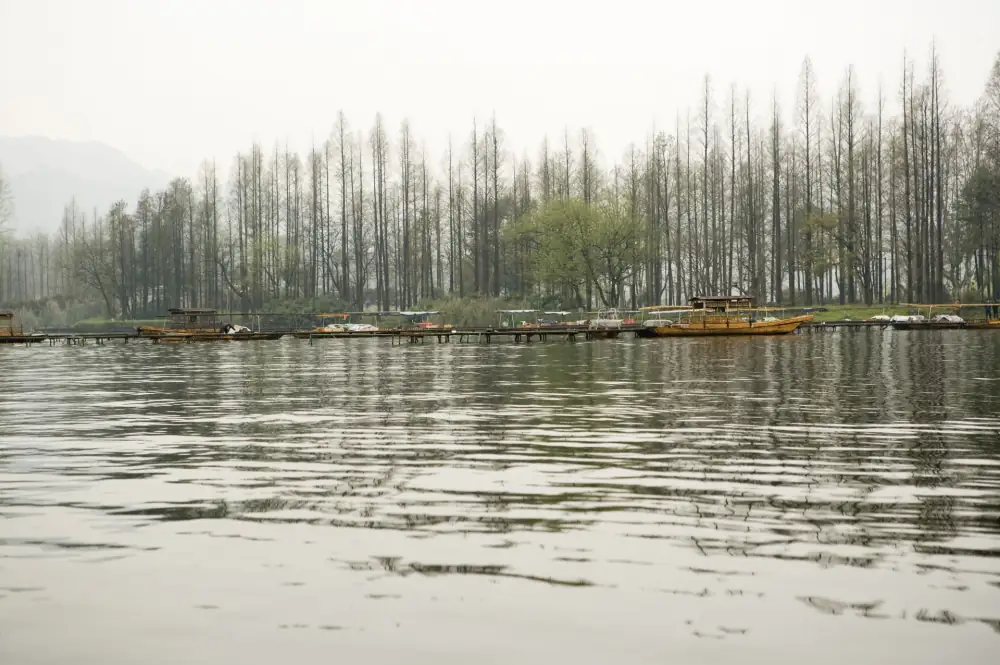
Authentic “Dragon Well” tea is grown in six specific geographic areas (protected origin designation since 2001):
- West Lake area (西湖产区): Longjing Village, Weng Family Mountain, Lingyin Temple area — the highest quality and most expensive
- Qiantang area (钱塘产区): Including Xiaoshan and Fuyang
- Yuezhou area (越州产区): Including Shaoxing
For the visiting traveler, the West Lake area is the destination. The tea from Longjing Village itself and Weng Family Mountain (翁家山) commands premium prices because it has the best terroir — minerals from the Tiger Spring (虎跑泉) water, high elevation and specific soil composition.
When to Visit: Tea Picking Season
The absolute best time to visit is mid-March to mid-April, the Qingming season.
Pre-Qingming tea (明前茶): Harvested before the Qingming Festival (around April 4–5), this is the most prized Longjing in the entire year. The first flush of spring leaves — small, tender, intensely flavored. A gift of first-flush Longjing is one of the most valued things you can give a Chinese tea drinker.
Qingming to Guyu tea (明后茶, 谷雨前后): Harvested in the weeks after Qingming. Still excellent quality; slightly larger leaves; more affordable.
Summer and autumn flushes: The tea plants are picked 3–4 times per year. Summer and autumn teas are cheaper and adequate but miss the intensity of spring.
If you visit outside spring, the plantations are still beautiful and tea houses are open year-round — you just won’t see the frenetic picking activity and the tea you taste will be from earlier harvests.
Getting to Longjing Village
From West Lake: The village is on the western side of West Lake, in the hills above Meijiawu Road.
Bus 27: From Yuquan Road (Lingyin Temple area) to Longjing Village; approximately 20 minutes.
Bus from city center: Bus No. 27 from Dragon Wells station in the city is the most used route for tourists.
Taxi/Didi: From West Lake: 20–30 minutes, ¥25–40.
Cycling: If you’ve rented a public bike from West Lake, the road to the village is an uphill 5 km ride through tea fields — beautiful but tiring.
What to Do in Longjing Village
Watch or Try Tea Picking (采茶 Cǎi Chá)
During picking season, the hillside is covered with women (traditionally, tea picking is women’s work) in traditional clothes moving methodically through the rows. Many visitors are invited by local growers to try picking for a few minutes. The technique: use your thumbnail and forefinger to snap the leaf bud cleanly, dropping it into the wicker basket. It sounds simple; it’s harder than it looks.
Observe the Pan-Roasting (炒茶 Chǎo Chá)
The distinctive flat shape of Longjing tea comes from the roasting process (炒茶), in which the fresh-picked leaves are placed by hand into a dry wok at 200°C+ and pressed and turned continuously for 15–20 minutes. The heat removes moisture, develops the flavor compounds and creates the signature flat shape. Watching an experienced roaster work is mesmerizing — the hands move with practiced speed, and the smell of the freshly roasted leaves fills the room with a toasty, vegetal perfume.
Tea Tasting
Almost every house and small farm in the village has a tea tasting table. The standard Longjing serving:
- Glass cup, sometimes a gaiwan
- 3–5g of tea placed in the cup
- Water at 80°C (not boiling — boiling water scorches green tea) poured over
- Drink in 3–4 infusions
The first pour should be discarded (called “awakening the leaves”). The first proper infusion is drunk, then hot water added again for a second and third infusion.
What you’re looking for: Pale jade-gold liquor, fresh grassy-vegetal aroma, sweet finish with no bitterness. Bitterness indicates either too-hot water or over-steeping.
Buying Authentic Longjing Tea: Avoiding Fakes
This is the most practically important section. The Longjing market is flooded with:
- Tea from other regions labeled as “West Lake Longjing”
- Machine-roasted tea sold as hand-roasted
- Lower-grade tea sold at first-flush prices
Warning signs:
- Suspiciously low prices for “first-flush pre-Qingming” (authentic pre-Qingming runs ¥500–3,000+/500g)
- Heavy discounts for foreigners immediately
- Buying from random street sellers rather than growers
Best strategy:
- Buy from farms that let you watch the roasting
- Buy small quantities from multiple sellers and compare
- Pay fair prices — if pre-Qingming Longjing is ¥100/500g, it’s not authentic
- Look for the West Lake Longjing Geographic Indication packaging (西湖龙井地理标志)
Price guide (2026):
- Premium pre-Qingming West Lake Longjing: ¥500–3,000+ per 500g
- Post-Qingming first grade: ¥200–500 per 500g
- Standard grade: ¥80–200 per 500g
- Machine-processed (not hand-roasted): ¥30–80
What to buy for gifts: A 50g or 100g tin of authenticated first-grade Longjing. This costs ¥50–200, is easy to carry, and is a genuinely meaningful Chinese gift.
Tea Houses Near the Village
Hu Xue Yan Former Residence Tea House: In the Longjing village area; set in a garden with West Lake views; ¥50–100 for a full tea service.
China Tea Museum (中国茶叶博物馆): Located between West Lake and Longjing Village. One of the best tea museums in the world — free entry, exhibits covering the history and culture of Chinese tea from all regions. 2–3 hours easily spent here.
Village farmhouse tea tables: The most authentic setting — sit at a wooden table in the farmer’s courtyard, surrounded by drying tea leaves, with the hills behind you.
Combining with Nearby Attractions
Lingyin Temple (灵隐寺): 20 minutes by bus from Longjing Village. One of China’s most famous and beautiful Buddhist temples. Pair a morning tea village visit with afternoon Lingyin.
Tiger Spring (虎跑泉): The spring whose mineral water is considered ideal for brewing Longjing tea. Park setting with pavilions; ¥15 entrance.
Meijiawu Tea Village (梅家坞): A second tea village 3 km from Longjing, less touristy, with excellent farmhouse restaurants serving tea-smoked duck and other tea-infused local dishes. Bus from Longjing.
The tea village experience at Longjing is rare: an agricultural tradition that’s survived intact for centuries, producing one of the world’s finest teas in landscapes of extraordinary beauty. Even if you’re not a tea drinker when you arrive, most visitors leave with a newfound appreciation for a cup they’ll brew at home for years afterward.