
Table of contents
Open Table of contents
When is Autumn Peak at Jiuzhaigou?
The autumn color window at Jiuzhaigou is not a fixed date — it depends on temperature patterns each year. Historically, the reliable window is:
Mid-October to early November: The consistently best period. The valley’s forests at 2,000–3,000m altitude typically turn in earnest from around October 10–15. Peak color (when the maximum number of tree species are simultaneously at their most vivid) usually falls in the third week of October.
Late September: Some early-turning species (particularly the valley’s distinctive Phellodendron trees) begin coloring. Water clarity is excellent and the crowds are smaller than October proper.
Early November: Late color on the upper valley sections, increasingly cold, fewer visitors. A good option if you’re flexible.
2026 Specific: Monitor current Jiuzhaigou visitor announcements — the park posts regular updates on current conditions and color status on their official WeChat account (九寨沟景区官方号).
Ticket System and Reservation Process (2026)
Since reopening after the earthquake, Jiuzhaigou operates a strict daily quota system. In 2026, the maximum visitors per day is approximately 20,000 (down from 35,000+ pre-earthquake).
Ticket Prices
- Peak season ticket (April–November): ¥169 adult
- Eco-bus ticket (required inside park): ¥90 per person
- Combined entrance + bus: ¥259
The eco-bus is essential — the park is large (72km² scenic area) and you cannot walk the entire distance between major sites in one day.
Booking in Advance
You must book tickets in advance during autumn peak season. Same-day walk-up tickets are essentially impossible to get October 1–November 10. Book through:
- Jiuzhaigou official website: jiuzhaigou.com
- The official WeChat mini-program (九寨沟景区)
- Ctrip, Mafengwo, or Fliggy (verify these platforms have official tickets, not scalpers)
Booking window: Officially opens 3 days before each visit date, but in practice, October dates are booked up weeks in advance. Plan to book 2–4 weeks ahead for popular October dates.
Avoid National Holiday Week (October 1–7): The first week of October is China’s National Day Golden Week — the most crowded week of the year. Tickets sell out in seconds on the booking platforms, the valley is at maximum capacity, and the experience suffers. If possible, book October 10–25 instead.
Jiuzhaigou Valley: Key Sites for Autumn
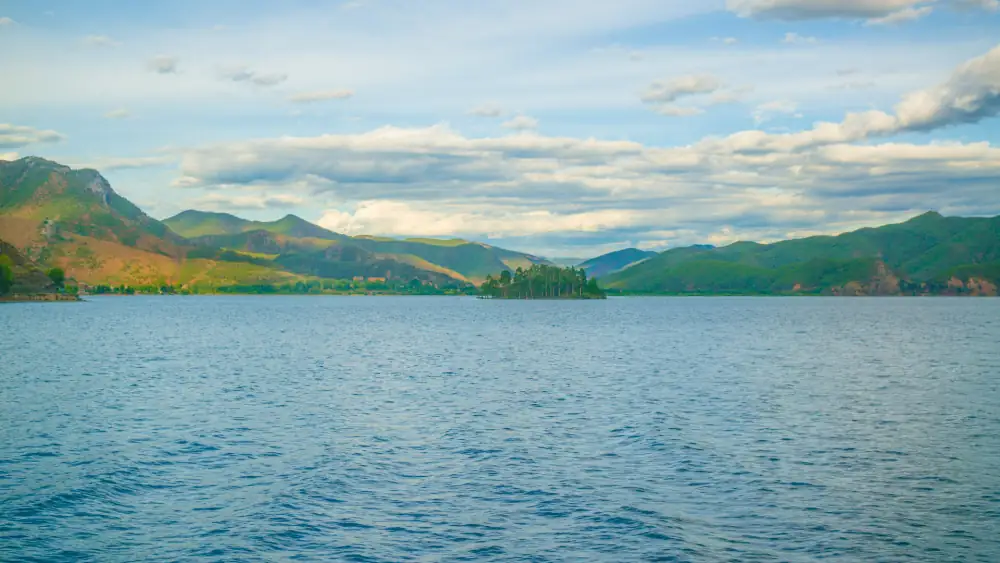
Nuorilang Waterfall (诺日朗瀑布)
China’s widest highland waterfall (270m wide) is on every visitor’s route and is even more dramatic in autumn when the trees on the surrounding cliffs are flame-colored. Best photographed in morning light from the viewing platform below.
Five-Color Pond (五彩池)
At the top of Zechawa Valley (日则沟 upper section), this small but impossibly vivid pool shows different colors simultaneously due to the depth, mineral content, and bottom sediment reflecting light differently. In autumn the surrounding trees add crimson to the blues and greens. The morning is the best time before other visitors arrive.
Long Lake (长海)
The largest lake in Jiuzhaigou at nearly 8km length, sitting at 3,100m. The surrounding forest turns brilliant here, and the lake’s reflection on still mornings creates the most symmetric autumn images in the valley. The eco-bus drops you at the upper end; walk down the boardwalk alongside the lake.
Mirror Lake (镜海)
True to its name, the lake’s surface creates near-perfect reflections on calm mornings. The autumn forest mirrored in the surface is classic Jiuzhaigou imagery. The window for mirror-surface conditions is short — typically early morning before 10am. Plan to be at this stop first.
Pearl Shoal (珍珠滩瀑布) and Pearl Shoal Waterfall
The shoal is a wide, shallow cascade where the water tumbles over colorful limestone ledges covered in algae. In autumn the surrounding forest frames the scene with red and gold. Frequently photographed, but genuinely worth it.
Five Flower Lake (五花海)
The signature image of Jiuzhaigou — a large lake divided into zones of different colors (turquoise, deep blue, jade green) by underwater springs and submerged branches. Autumn adds the external dimension of flaming forest. This is the most photographed spot in the park.
The viewing platform fills up quickly — arrive before 9am or after 4pm for less crowded conditions.
Photography Strategy for Autumn
The Light Question
Jiuzhaigou’s autumn photography lives or dies on light conditions. Clear blue sky creates the most saturated lake colors. Overcast days flatten the colors significantly.
Best conditions: Sunny morning, slight clouds building in the afternoon Worst conditions: Overcast or rainy days (colors look dull, no reflections)
Check the weather forecast obsessively in the days before your visit. The valley sits in a mountain climate — weather can change fast.
Best Shooting Times
- 7:30–9:30am: The golden hour after opening (8am), when morning light hits the trees and lake surfaces are often calm for reflections. This is when the valley is most magical.
- 3:30–5:30pm: Late afternoon light warms the colors and the eco-buses start thinning out.
- Midday: Flat light, maximum crowds. Good for wide scenes but challenging for lake photography.
Camera Settings and Approach
The valley’s optical clarity is extraordinary — the water is so clear it photographs as either brilliant jewel colors or glass-like transparency depending on angle. A polarizing filter is highly recommended: it reduces surface glare and intensifies the blues and greens.
For the waterfall shots, a slower shutter speed (1/4 to 1 second) creates the silky-water effect. Bring a small tripod.
For the autumn color reflections, the key is waiting for wind to die down completely — even light ripples destroy the mirror effect.
Getting the Fewer-Crowd Shots
Start at the top of each valley and walk down, in the opposite direction from most visitors who start at the bottom. The eco-bus will drop you at the upper end; most Chinese tour groups start from the valley floor. Working against the flow means you’ll reach many sites before the crowds arrive.
Logistics and Planning
Getting to Jiuzhaigou
By Air: Jiuzhaigou Huanglong Airport (九黄机场, JZH) sits at 3,448m and is notoriously fog-prone — flight cancellations are frequent. Allow buffer days. Flights from Chengdu: 40 minutes, from ¥300–800. Several Chinese airlines serve this route.
By Bus: Overnight or daytime buses from Chengdu run to Jiuzhaigou Town (九寨沟县城, also called Zhangzha). The overnight bus leaves Chengdu at around 8pm and arrives around 8am. Cost: ¥120–150. Journey involves mountain roads — take motion sickness tablets if needed.
By Private Car: Driving from Chengdu (via the Chengdu–Jiuzhaigou Expressway) takes 4–5 hours. This gives full flexibility.
Where to Stay
Stay in the valley town of Zhangzha (漳扎), about 20km from the park entrance. During autumn, rooms book up 4–6 weeks in advance.
- Budget: Simple guesthouses from ¥100–150/night
- Mid-range: Tibetan-style hotels from ¥250–450/night
- Best value option: Jiuzhaigou International Hotel (九寨沟国际大酒店) from ¥380/night, includes breakfast
How Many Days?
Minimum visit: 1 full day (opening at 8am to last bus at 4pm). Covers the main sites but feels rushed.
Recommended: 2 full days. Day 1: Rize Valley (日则沟) and Shuzheng Valley (树正沟). Day 2: Zechawa Valley (则查哇沟). This allows for unhurried exploration and revisiting favorite spots.
For photographers: 3+ days gives you multiple attempts to catch the best morning light conditions.
Practical Tips
Altitude: Jiuzhaigou ranges from 2,000–3,100m. Most visitors don’t experience altitude sickness, but some do. Drink water and pace yourself.
Temperature in October: Daytime 5–15°C in the valley, dropping to below 0°C at night. Layer up — warm clothes in the morning are essential. Snow is possible in late October.
Food inside the park: Limited and overpriced. Bring your own snacks and water. Pack a substantial breakfast before entering.
Physical fitness: The eco-buses handle most distances, but boardwalk sections between bus stops involve moderate walking (flat to slightly hilly). Comfortable walking shoes are fine.
No drones: Drone flights are prohibited inside the scenic area. Enforce strictly.
No swimming or touching the water: The water is protected. Fines for violations.
Jiuzhaigou in autumn is one of the few places in China where the reality lives up to the hype — and then exceeds it. Come prepared for the logistics, accept that you’ll share it with others, and let the extraordinary colors do the rest.