
Table of contents
Open Table of contents
Altitude and Acclimatisation
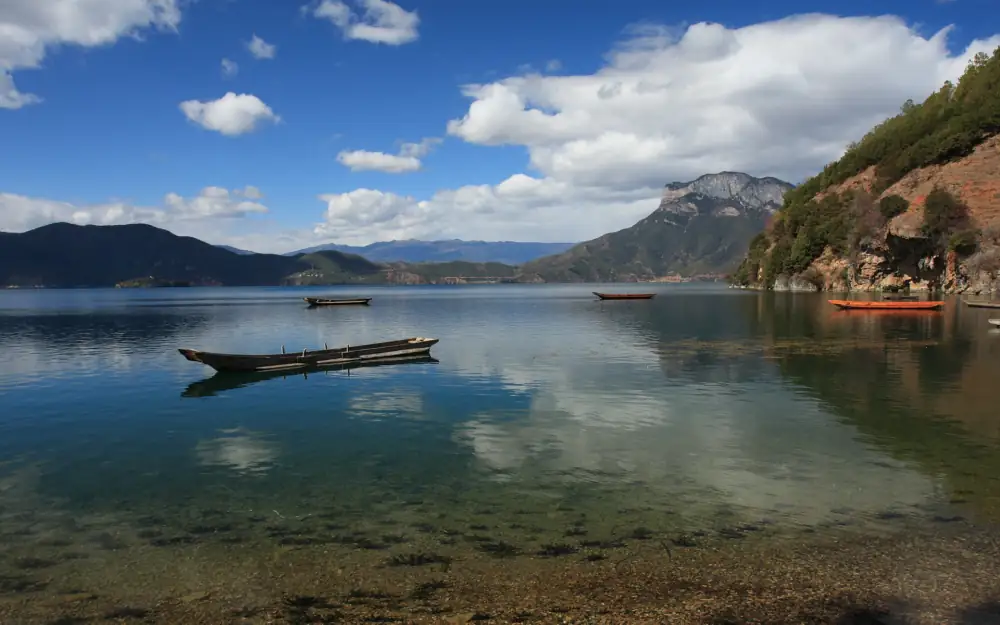
Kangding sits at 2,560 metres — high enough for mild altitude discomfort for visitors arriving from sea level, particularly if coming from Chengdu (505m) on the same day. The surrounding mountains and day-trip destinations reach 3,500–4,500 metres.
Practical guidance:
- Most visitors feel fine in Kangding itself after a night’s rest
- Avoid strenuous exercise on arrival day
- The ascent to Zheduo Pass (折多山, 4,290m) on the road west is enough to affect some visitors
- Mugecuo Lake (3,600m) may cause headaches in sensitive individuals
- Ibuprofen manages altitude headache; Diamox for serious AMS prevention (consult a doctor)
Kangding Town
Paoma Mountain (跑马山)
Rising directly above the town centre, Paoma (“horse-racing”) Mountain is Kangding’s symbolic centrepiece and the location of the annual horse-racing festival. A cable car ascends from the edge of town (¥60 one way, $8) to the main viewpoint at approximately 3,500 metres, where views take in the gorge below, the town and — on clear days — the gleaming white pyramid of Gongga Mountain to the southeast.
Walking paths circle the summit area past numerous prayer flags, Tibetan Buddhist stupas and small temples. The atmosphere is genuinely Tibetan — incense, prayer wheels, monks from the nearby lamasery walking the paths — rather than the constructed “Tibetan experience” you find in tourist areas of Chengdu.
Cable car operating hours: 09:00–17:30. The summit walk takes 2–3 hours at altitude.
Nanwu Temple (南无寺)
One of Kangding’s most active Tibetan Buddhist monasteries, Nanwu Temple is home to several hundred monks and conducts regular ritual ceremonies. The main assembly hall is open to respectful visitors during non-ceremony times. The monastery sits on the hillside above the town; a 30-minute walk from centre.
Free. Modest dress required; ask before photographing monks.
Kangding Town Walk
The town itself occupies a narrow ribbon along the river gorge; the main commercial street (Yanhe East Road) is lined with a fascinating mixture of Han Chinese shops, Tibetan Buddhist supply stores (prayer flags, incense, ritual objects), outdoor gear shops (the last stop before the plateau) and Khampa Tibetan restaurants. An evening walk here is deeply atmospheric: the sound of the river, the smell of incense, the mix of languages (Mandarin, Khampa Tibetan, Yi).
Mugecuo Lake Scenic Area (木格措景区)
About 25 km north of Kangding town, the Mugecuo scenic area centres on Mugecuo Lake — a high-altitude alpine lake at 3,600 metres surrounded by snow-capped peaks. The lake and its surroundings form one of the most beautiful alpine landscapes in Sichuan.
The scenic area includes several interconnected lakes (Seven Color Lake, Rainbow Waterfall) and the upper reaches of the Mugecuo valley, with hiking trails ranging from 3 to 6 hours.
The upper lake: Accessed by a horse-riding trail or on foot from the lower parking area; the upper lake (at approximately 4,000m) offers views of glaciated peaks and pristine alpine meadows.
Wildlife: The area hosts Tibetan macaques, golden monkeys, blue eared pheasants and multiple raptor species.
Tickets: ¥120 ($17). Shuttle buses within the scenic area ¥30. Open daily 08:30–17:00.
Getting there: Bus or taxi from Kangding, approximately 40 minutes.
Zheduo Pass and Mountain Drive (折多山)
The road west from Kangding climbs over Zheduo Pass at 4,290 metres — the first major plateau crossing on the road to Tibet. Even without crossing the pass, the drive up offers extraordinary views of the Kangding valley below and the Tibetan Plateau beginning to unfold to the west. Snow remains on the highest sections well into June; the pass occasionally closes in winter.
Drive or bus: Buses west from Kangding pass through Zheduo Pass on their way to Litang and Garze; the pass itself is 25 km from town. A taxi will take you up and back for ¥150–¥200 ($21–$28).
The Love Song Festival (情歌节)
Kangding’s annual Love Song Festival (July/August, specific dates vary) is a celebration of the town’s folk music heritage with performances of the Kangding Love Song and related Tibetan and Han folk music, traditional costume parades, horse racing on Paoma Mountain and cultural exhibitions.
The festival draws visitors from across Sichuan and is one of the better folk cultural events accessible to international visitors without special permit arrangements.
Getting to Kangding
From Chengdu
High-speed rail (2023 extension): Chengdu East to Kangding by high-speed rail, approximately 2–2.5 hours; tickets ¥150–¥230 ($21–$32). This dramatic high-speed line includes the famous Luding Bridge area. Tickets sometimes in high demand; book ahead.
Bus (long-established route): Chengdu Xinnanmen Bus Station to Kangding, approximately 5–6 hours via the G318; tickets ¥105–¥135 ($15–$19). The bus route via Luding passes through dramatic Dadu River gorge scenery. Slower but often more scenic than the rail.
Self-drive: The G318 National Road from Chengdu to Kangding is famous as part of the legendary “Chengdu–Tibet road.” Approximately 4–5 hours by car, with multiple scenic stops possible (Erlang Mountain, Luding Bridge, Luding).
From Ya’an
Bus or self-drive: 2.5–3 hours via Luding. Good combination with Ya’an’s Bifengxia panda base (see separate Ya’an guide).
Where to Stay
Budget (¥80–¥200 / $11–$28): Several guesthouses along the main river road. The Paoma Youth Hostel is a backpacker institution in Kangding; dorms from ¥60/night.
Mid-range (¥280–¥550 / $39–$77): Kangding Hotel (康定宾馆) — the long-established standard mid-range choice. Centrally located, reliable, river views from upper floors.
Mugecuo scenic area: A few small eco-guesthouses operate near the lake entrance; ¥200–¥350/night ($28–$49). Staying here means early morning access before day trippers arrive.
Best Time to Visit
July–August: The most popular season — Love Song Festival, green alpine meadows, clear glacier views on most mornings. Expect accommodation to fill in the town; book ahead.
May–June: Snow may still be on the high passes but the town is accessible and spring rhododendrons on the surrounding hills are outstanding.
September–October: Clear skies, autumn colours in the valley forest, fewer visitors after Golden Week ends. My personal preference.
Winter (November–March): Snow, cold (-10 to -15°C), some road closures on the high passes. The town is quiet; atmospheric in a stark way. The high-speed rail makes Kangding accessible even in winter.
Kangding Food
The food in Kangding mixes Sichuan hot pot culture (very popular at altitude — the spice generates body heat) with Tibetan and Khampa specialties.
Must-eat:
- Yak butter tea (酥油茶): Salty, buttery, warming. Drink it from small wooden bowls as locals do.
- Tsampa (糌粑): Roasted barley flour mixed with butter tea or water; the Tibetan staple food.
- Yak beef hot pot: Available at multiple restaurants along the main street; a hot pot with yak beef, mushrooms and plateau vegetables. Budget ¥100–¥180 for two ($14–$25).
- Guokui (锅盔): Large, flat-baked bread; the Sichuan roadside staple
Practical Tips
- Weather clothing: Temperature range in Kangding is significant — warm in summer valley sun, cold immediately after sunset (temperatures can drop 15°C in an hour at altitude). Always carry a down jacket.
- Altitude: Rest on arrival day. Drink water, avoid alcohol for the first day, sleep well before higher-altitude excursions.
- Road conditions: The Zheduo Pass road can be closed by rockfall or snow on short notice; check conditions at your guesthouse before planning a crossing.
- Cash: The ATM situation in Kangding is functional (Bank of China and Agricultural Bank ATMs accept UnionPay and international Visa/MC) but limited. Bring sufficient cash for activities in the remote scenic areas.
- Photography: The best Gongga Mountain views from town occur about 30 minutes after sunrise and in the hour before sunset. Cloud typically builds after 10am.
Final Word
Kangding occupies a very particular emotional space in the Chinese imagination — the love song, the gateway to another world, the last city before the plateau. For international visitors, it’s the perfect combination of accessibility and genuine altitude/cultural immersion. A night or two here before or after crossing into the plateau proper makes logistical and atmospheric sense.
Hear the love song. Drink the butter tea. Look at the glacier.