
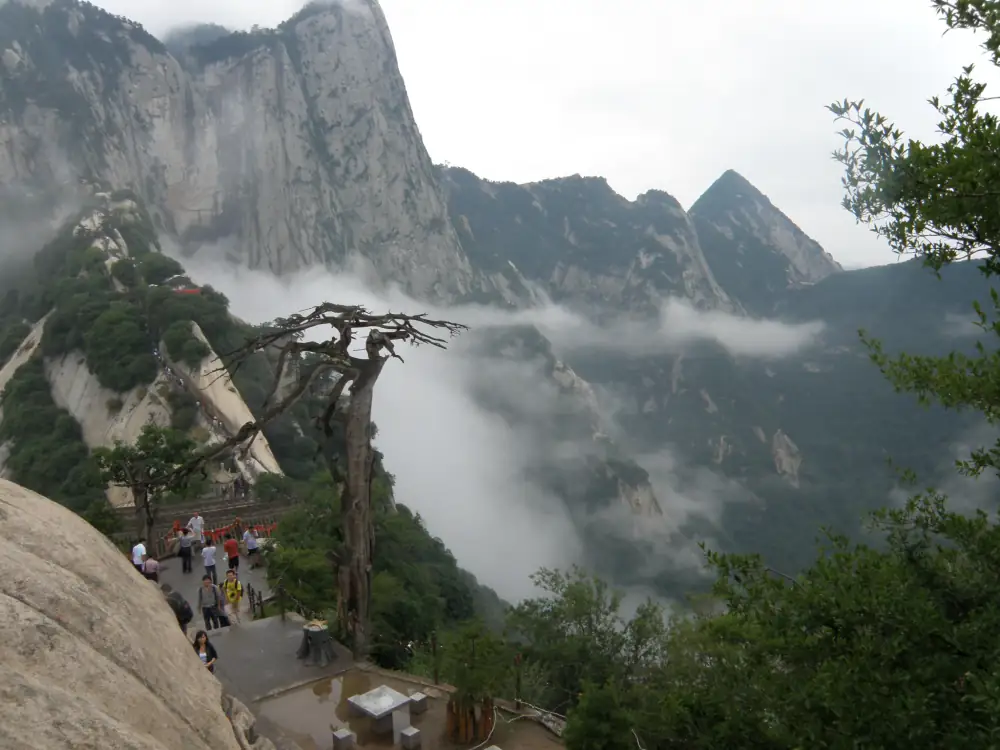
Thirty kilometres east of Xi’an, at the foot of Lishan Mountain (骊山), sits one of China’s most layered historical sites: Huaqing Palace. This is where Tang Dynasty Emperor Xuanzong fell obsessively in love with Yang Guifei — the most celebrated beauty in Chinese history — where they bathed in natural hot springs, and where the Emperor’s distraction from governance helped trigger the An Lushan Rebellion that nearly ended the dynasty. It’s also where Chiang Kai-shek was captured in 1936, in the event that shaped modern Chinese history. Few sites in China carry so much concentrated drama.
Table of contents
Open Table of contents
The History of Huaqing Palace
The Tang Dynasty imperial resort (618–907 AD)
Emperor Xuanzong of Tang (唐玄宗) spent much of his reign at Huaqing Palace rather than the capital Chang’an (modern Xi’an). The hot springs — rising at a constant 43°C — had been a bathing site for rulers since the Zhou Dynasty (1046–256 BC), but it was Xuanzong who expanded them into a vast pleasure palace complex.
His relationship with Yang Guifei (楊貴妃) — officially listed as one of the Four Great Beauties of ancient China — became one of the great romantic and cautionary tales of Chinese literature. The poet Bai Juyi’s “Song of Everlasting Regret” (长恨歌) immortalised their story: the Emperor’s obsession with her, his neglect of state affairs, and her death during the An Lushan Rebellion.
The famous line: “In spring the weather would grow warm, and they would bathe her in the Huaqing Hot Springs” (春寒赐浴华清池) is one of the most-cited passages in classical Chinese poetry.
The Xi’an Incident (西安事变), 1936
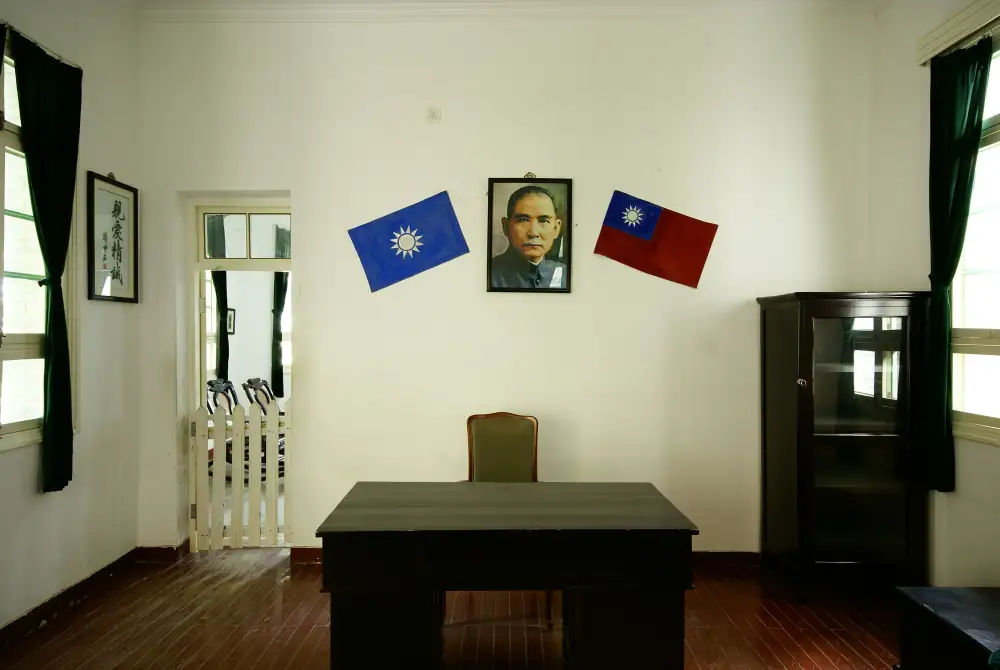
On December 12, 1936, Nationalist general Zhang Xueliang and Yang Hucheng kidnapped Generalissimo Chiang Kai-shek at the Wujiangzhai (五间厅) building in the Huaqing Palace complex. They demanded that Chiang abandon his campaign against the Communists and instead form a united front against the Japanese invasion.
The Xi’an Incident is one of the pivotal moments of 20th-century Chinese history: it led to the Second United Front between Nationalists and Communists, changing the course of World War II in China. The capture site — bullet holes still visible in the walls — is preserved exactly as it was.
What to See at Huaqing Palace
The Hot Spring Pools
Guifei Pool (贵妃池) — the largest and most famous bath, where Yang Guifei bathed. Shaped like a magnolia flower (said to reflect her beauty). The warm spring water still flows in; you can see the hot spring emerging.
Emperor’s Pool (莲花汤) — the emperor’s private bath, lotus-flower shaped, deeper and hotter than the Guifei Pool.
Prince’s Bath (太子汤) — smaller, for the crown prince.
Imperial Concubine Bath (海棠汤) — named “crabapple” for its shape; slightly smaller and cooler.
The pools themselves cannot be entered — they’re preserved as historical monuments. But the original stone carving and drainage systems are still intact and visible.
The Xi’an Incident Site (华清宫事变旧址)
Wujiangzhai (五间厅) — the building where Chiang Kai-shek was sleeping when the kidnapping occurred. The original windows are still pocked with bullet holes from the soldiers who broke in. The interior is preserved as a museum with period furnishings.
Capture Rock (捉蒋亭/兵谏亭) — a pavilion on the hillside of Lishan marking the spot where Chiang Kai-shek was found hiding in a crevice after fleeing in his pyjamas. A steep 20-minute hike from the main palace area.
Tang Dynasty Gardens
The landscaped gardens in the palace complex contain:
- Reconstructed Tang-style architecture and pavilions
- Ancient magnolia trees (magnolia was Yang Guifei’s favourite flower; some trees are said to be 1,000+ years old)
- Scale model display showing the original palace complex
- Lotus pond and Chinese classical garden elements
Lishan Mountain (骊山)
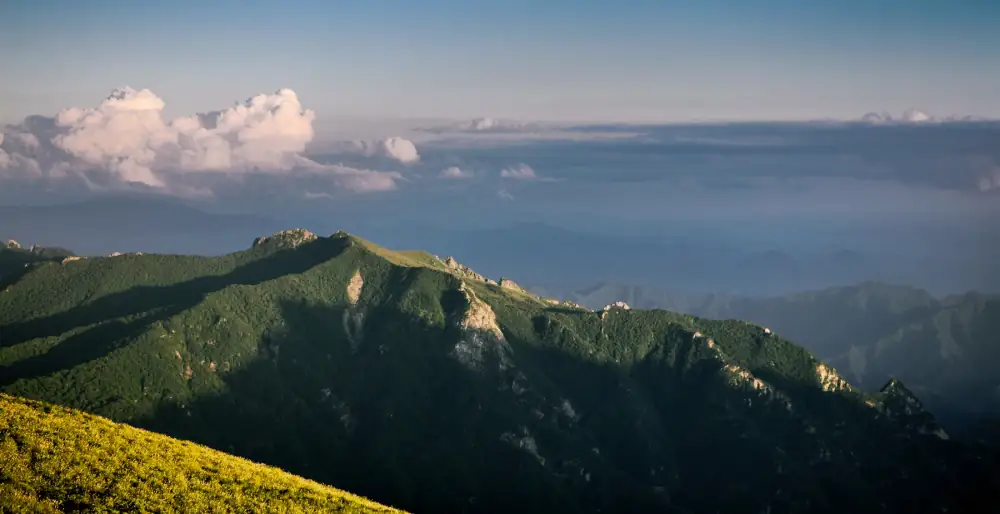
The hill directly behind Huaqing Palace offers good views of the Xi’an plain and the Terracotta Warriors site (visible on clear days).
Hiking up Lishan
Two routes from the palace complex:
- Ropeway (缆车): One-way ¥30, round-trip ¥55. Comfortable and quick.
- Steps path: 30–40 minute climb on stone steps through forested hillside. Recommended for fit visitors; repaid by solitude and views.
What’s at the summit
Laojun Hall (老君殿) — a Taoist temple at the peak, in continuous use since the Tang Dynasty. The Laozi statue here is one of Shaanxi’s most important Taoist relics.
Views: On clear days, you can see the flat Wei River plain (渭河平原), the city of Xi’an to the west, and the mountains beyond. The Terracotta Warriors site is visible as a set of large roofed structures to the east.
烽火台 (Beacon tower ruins) — Iron Age signal tower at the peak. This is the tower allegedly lit to summon warlords who arrived to find King You’s concubine laughing at the spectacle (history’s most expensive practical joke).
The Evening Show: “Song of Everlasting Regret”
Lishan Shengshi Yeyan (骊山盛世夜宴) — the evening performance using Huaqing Palace as backdrop. The show dramatises the love story of Xuanzong and Yang Guifei with:
- Light and water projections on the palace and Lishan hillside
- 200+ live performers in Tang Dynasty costume
- Choreographed water and fire effects in and around the original hot spring pools
Showtimes: Usually 8pm or 8:30pm, varies by season
Admission: ¥198–¥298 per person
Duration: approximately 70 minutes
Booking: In advance at the palace ticket office or via China booking platforms
This show is one of the most impressive light-and-performance productions in China; the scale of the landscape and water effects is exceptional.
Practical Information
Getting there from Xi’an
Bus: From Xi’an Railway Station (东广场), take Bus 306 (临潼方向) — approximately 70–90 minutes, ¥7. Departs every 10–15 minutes from 6am.
High-speed rail: Xi’an North Station to Lintong & Huaqing Palaces Station (临潼华清宫站) — 15 minutes, ¥15–¥22. The station is a 10-minute walk from the palace.
DiDi: ¥80–¥120 from central Xi’an. Most convenient option for visiting both Terracotta Warriors and Huaqing Palace in one day (they’re 5km apart).
Tickets and timing
Daytime admission: ¥120 (includes palace, pools, and gardens but not evening show) Combined daytime + evening show: ¥298–¥328 (worth it for first-time visitors) Opening hours: 7am–6pm (daytime); evening show ~8–10pm
Combining with Terracotta Warriors
The standard full-day route from Xi’an:
- Morning (9am–12pm): Terracotta Warriors (5km east)
- Lunch: Li Mountain foot area or packed lunch
- Afternoon (1:30–5pm): Huaqing Palace daytime
- Evening: Stay for the performance show
Last updated: May 2026 · Ticket prices and show schedules may change seasonally.