
Table of contents
Open Table of contents
The Volcanic Landscape
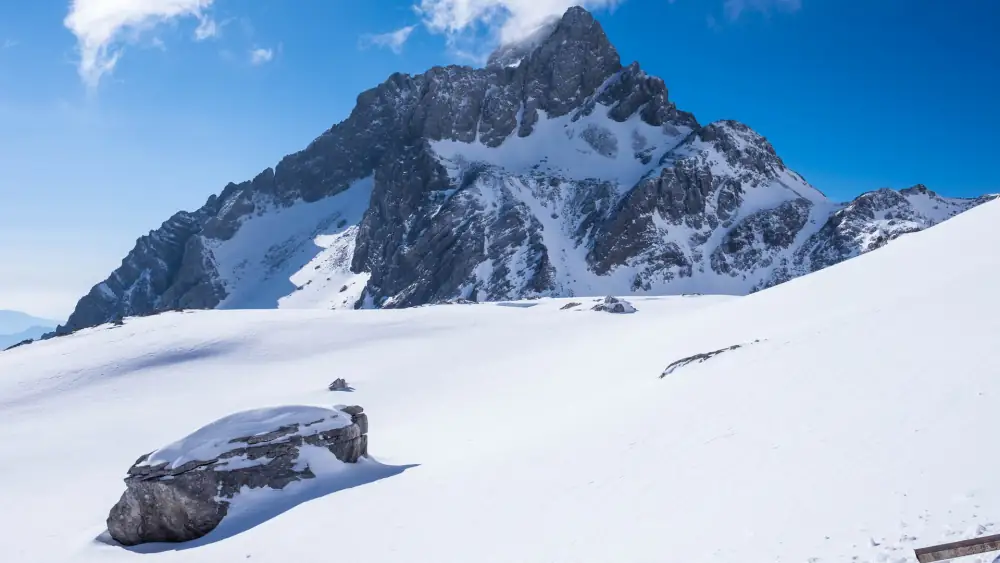
Huoshan Volcanic Cluster (火山群): The main volcanic area encompasses a cluster of craters that were last significantly active several hundred years ago. The most visited cone, Dayingshan, rises about 2,614 metres and can be climbed on a paved trail — it takes about 45 minutes to reach the rim. The views over the crater and across the forested volcanic plains are excellent on clear days.
The area around the volcanic cluster has a distinctly eerie character: black basalt fields, scrubby vegetation that has colonised ancient lava flows, and the constant reminder that this is a geologically active region. Minor seismic activity is recorded here regularly.
Entry ticket: ¥50 for the volcanic park area. Cable car available for Dayingshan (¥40 one-way up, ¥40 down).
Best time: Morning visits are clearest. Afternoon clouds often build over the peaks.
Rehai Geothermal Park
Rehai (热海, literally “Hot Sea”) is where Tengchong’s geology becomes viscerally dramatic. The park contains numerous geothermal features including boiling springs, mud pools, steam vents, and the centrepiece “Great Rolling Pot” (大滚锅 Dagunuo), a natural hot spring measuring roughly 3.5 metres in diameter where water reaches near-boiling temperatures and bursts periodically into 1.5-metre jets.
Visitors walk along elevated boardwalks above and between the features. The sulfurous smell is pervasive but not overwhelming. A light mist from the steam hangs over the entire valley, creating atmospheric photography conditions throughout the day.
Egg cooking: A tradition at Rehai is buying a basket of eggs from vendors (¥15–20 for 6 eggs) and lowering them into the springs to cook. They’re ready in 8–10 minutes and taste exactly as you’d expect — with a faint mineral quality that’s actually quite pleasant.
Entry: ¥100 per person. Open 8am–5:30pm. Allow 2 hours for a thorough visit.
Hot spring bathing: Rehai itself doesn’t offer bathing pools — the water is too hot. For soaking, the many resort hotels and day-use hot spring parks in the surrounding area offer pools at therapeutic temperatures (38–42°C). Several upmarket resorts (Yungui International Hot Spring Hotel, Forest Hot Spring) offer day use for ¥120–200 per person.
Heshun Ancient Town
Three kilometres outside of central Tengchong, Heshun (和顺古镇) is consistently rated one of Yunnan’s most appealing ancient towns — and unlike many such designations elsewhere in China, it largely lives up to the billing. The town’s commercial and cultural centre was built by overseas Chinese families who made their fortunes trading jade in Myanmar and Southeast Asia, then returned to build elegant courtyard mansions in a style that blends Qing dynasty Han architecture with Southeast Asian decorative elements.
Walking through Heshun’s main historic area, you’ll find: the Ai Wuwei former residence of a famous Chinese musician, the Heshun Library (one of China’s oldest rural libraries, dating to 1928), several ancestral halls of old trading families, and the covered waterway that runs through the town’s centre giving it a water-town character.
Admission: ¥80 for the scenic area. This includes access to the main historic streets and several of the mansion complexes; individual sites like the library may charge separately (¥10–15).
Where to stay in Heshun: The town has a reasonable selection of guesthouse accommodation in converted traditional buildings. Prices range from ¥200–600 per night, with the better-placed courtyard guesthouses charging a premium for atmosphere. Book ahead for weekend visits — this is a popular Yunnan weekend escape for Kunming residents.
Evening in Heshun: The commercial street becomes more atmospheric after dark as the souvenir and tea shops close and the restaurants fill with local families. Several small restaurants and cafes line the waterway. Expect to pay ¥50–120 per person for dinner.
The Jade Trade
Tengchong is one of China’s primary jade trading centres. Myanmar, just across the border, contains the world’s most important jadeite deposits, and the trading route between Tengchong and the Mandalay area is thousands of years old. Today, the jade market in central Tengchong (and specifically the Tengchong Jade Wholesale Market on Juncheng Road) is the place to buy jadeite if you know what you’re doing — or to admire the extraordinary range of the material if you don’t.
Buyer’s warning: Jade quality varies enormously, and the market includes everything from genuine high-quality jadeite worth tens of thousands of yuan to chemically treated “B-jade” or dyed nephrite passing as the real thing. Unless you have considerable expertise, don’t spend significant money on jade in these markets without independent appraisal. That said, smaller decorative items and pendants in the ¥50–300 range are generally lower-risk purchases.
The market is most active in the morning (9am–1pm), when traders from Myanmar arrive with fresh stock.
Getting to Tengchong
Tengchong’s airport (Tengchong Tuofeng Airport, TCZ) opened in 2016 and now has direct flights to:
- Kunming: Multiple daily flights, approximately 50 minutes, ¥200–600
- Chengdu: 1.5 hours, ¥350–900
- Beijing, Shanghai: Via Kunming connection
From Kunming airport to Tengchong by road takes approximately 6–7 hours via the expressway — manageable if you want to see the Baoshan area en route.
Within Tengchong: The city is spread across a fairly large area. Taxis (¥8 starting fare) and Didi are the most practical transport. A local bus network exists but is confusing for first-time visitors. Renting an electric scooter (¥50–80 per day from shops near the bus station) gives excellent flexibility for reaching Rehai, the volcanic area, and Heshun.
The Border Experience
Tengchong is about 50km from the Myanmar border, and the borderland character permeates the city. Burmese goods — jade, amber (Tengchong is also a major amber trading centre), teak furniture, dried fruits, traditional medicines — fill the markets. You’ll hear Burmese spoken alongside Yunnan dialects.
Cross-border travel to Myanmar is possible for Chinese citizens and some foreign nationalities via the Ruili border crossing (a few hours south of Tengchong) or the Wanding crossing. However, the Myanmar political situation in 2025–2026 has made border crossings unpredictable — check current conditions and your government’s travel advisories before planning any cross-border movement.
The borderland culture of Tengchong county itself — the De’ang people, the Dai villages south of town, the Bai settlements — is worth exploring on its own terms without crossing the border.
Second World War History
Tengchong was the site of intense fighting in 1944 as Chinese and American forces retook the city from Japanese occupation (the city had been held since 1942). The National Cemetery (国殇墓园) on the southern edge of town commemorates the more than 9,000 Chinese soldiers who died in the battle. It’s one of the better-maintained Second World War memorial sites in China, and the historical context it provides is significant for understanding the Burma Campaign.
Entry: ¥30. Open 8am–6pm.
Best Time to Visit Tengchong
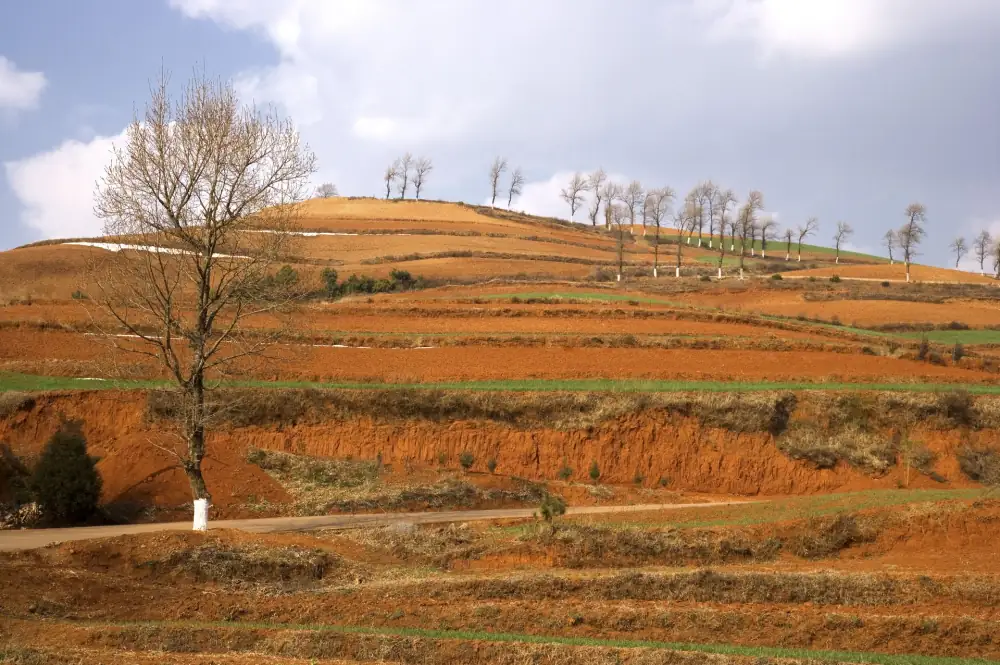
November to April is the dry season and by far the most pleasant. Skies are clear, temperatures mild (12–22°C), and the hot springs are especially appealing in cooler weather.
June to September is monsoon season — Tengchong receives significant rainfall as moisture from the Bay of Bengal pushes northeast. The landscape is extraordinarily green and lush, but roads to rural areas can flood, and outdoor activities are more challenging.
Chinese New Year/Spring Festival sees Tengchong hosting a large temple fair and market event — an interesting cultural immersion but accommodation books out well ahead.
Where to Stay in Tengchong
Budget: Guesthouses near the long-distance bus station, ¥120–200 per night. Functional, no frills.
Mid-range: Hotels in central Tengchong, ¥200–500 per night. The Tengchong Wanpinlou Hotel and similar properties offer decent comfort and good location.
Resort/Hot Spring Hotels: Several resort properties on the outskirts have direct hot spring access. Yunduan Hotspring Hotel and similar venues charge ¥400–1,200 per night but include free use of hot spring facilities. Worth the splurge for a night if your budget allows.
In Heshun: Traditional courtyard guesthouses, ¥200–600 per night. More atmospheric but less convenient for the geothermal sites.
Practical Tips
Altitude: Tengchong city sits at approximately 1,640m. Not high enough to cause altitude sickness, but acclimatisation from lower elevations is always sensible.
Air quality: Generally excellent — Tengchong is consistently rated among Yunnan’s cleanest air cities, away from industrial development.
Currency: Cash is useful here more than in larger cities — some of the jade market traders and rural guesthouses prefer cash. ATMs available at major banks.
Local festivals: The De’ang and Dai communities hold water-splashing festivals in April; the town hosts a jade trade fair each November.
Day trips: The surrounding area offers excellent one-day excursions — the Beihaigongfei Wetland (a highland bog), Qushihe waterfall, and the villages of the Gaoligong Mountain nature reserve.
Tengchong is the kind of destination that rewards travellers willing to move slowly and look carefully. The geothermal spectacle is the easy hook, but it’s the layered history, the borderland character, and the quality of Yunnan light on those volcanic hillsides that keeps people coming back.