
Maijishan: Buddhism Carved Into a Mountain
Maijishan (麦积山) is named for its resemblance to a conical stack of harvested grain — a 142-metre dome of red conglomerate rising from forested mountains south of Tianshui in Gansu Province. Into its sheer southern face, artisans carved 194 caves containing over 7,200 clay and stone sculptures spanning 1,600 years.
The caves are connected by open-air wooden walkway galleries bolted into the cliff face — making the viewing experience unlike Dunhuang or Longmen: at Maijishan, you walk through the air along the cliff with the valley spread below.
The Art
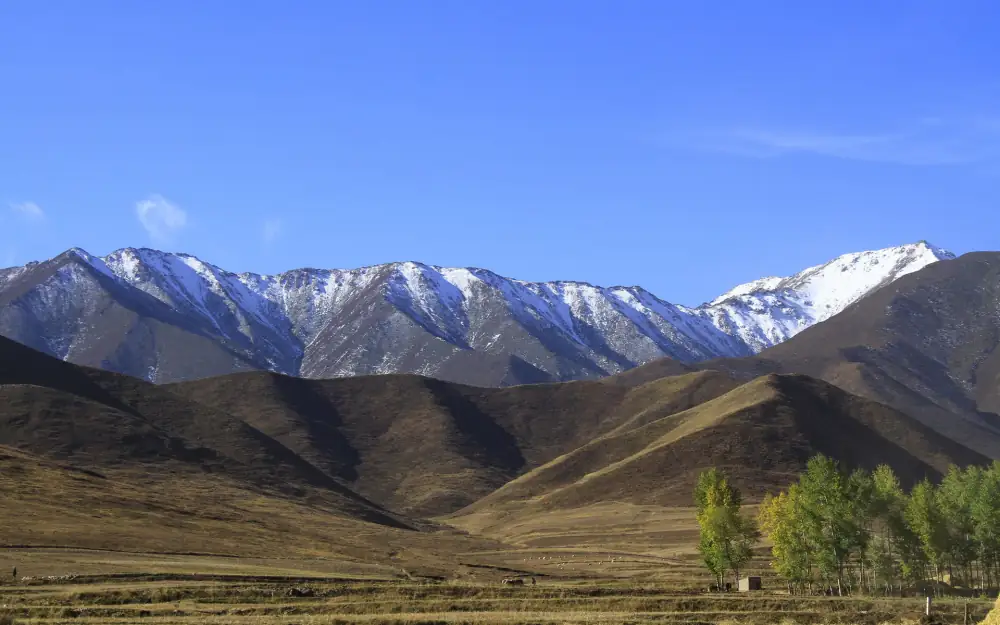
Clay Sculpture Tradition
Where Dunhuang excels in painted murals and Longmen in stone carving, Maijishan’s genius is in clay sculpture. The Northern Wei dynasty sculptures (386–534 CE) are considered the finest, combining Indian-influenced Buddhist iconography with an increasingly Chinese aesthetic. Cave 133’s large clay bodhisattvas from this period are masterworks.
The Giant Cliff Buddhas
The Seven Buddhas (七佛龛) — seven seated figures, each 4–7 metres tall, in a massive open niche high on the cliff — are visible from the ground below. Two standing Buddhas (16m and 13m) flank the main approach to the upper galleries.
The Walkway Experience
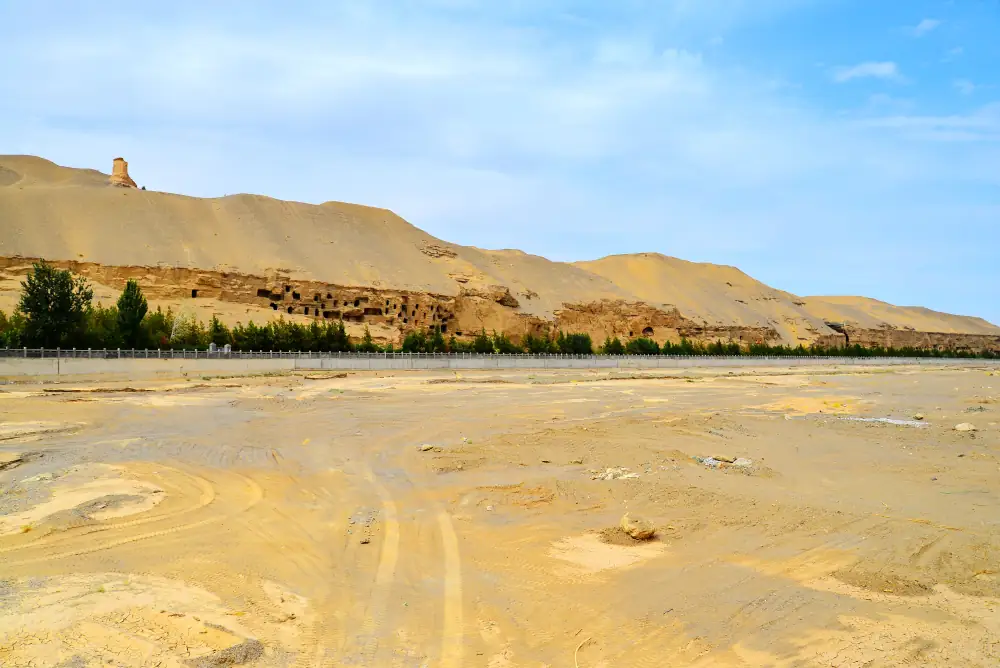
Climbing the wooden gallery walkways involves:
- Narrow stairs at 60–70° angles
- Open-sided galleries with views straight down to the valley
- Proximity to sculptures that indoor museums cannot replicate
Caution for vertigo sufferers: Upper sections have significant exposure. Lower west-zone caves are accessible on level ground.
Practical Information
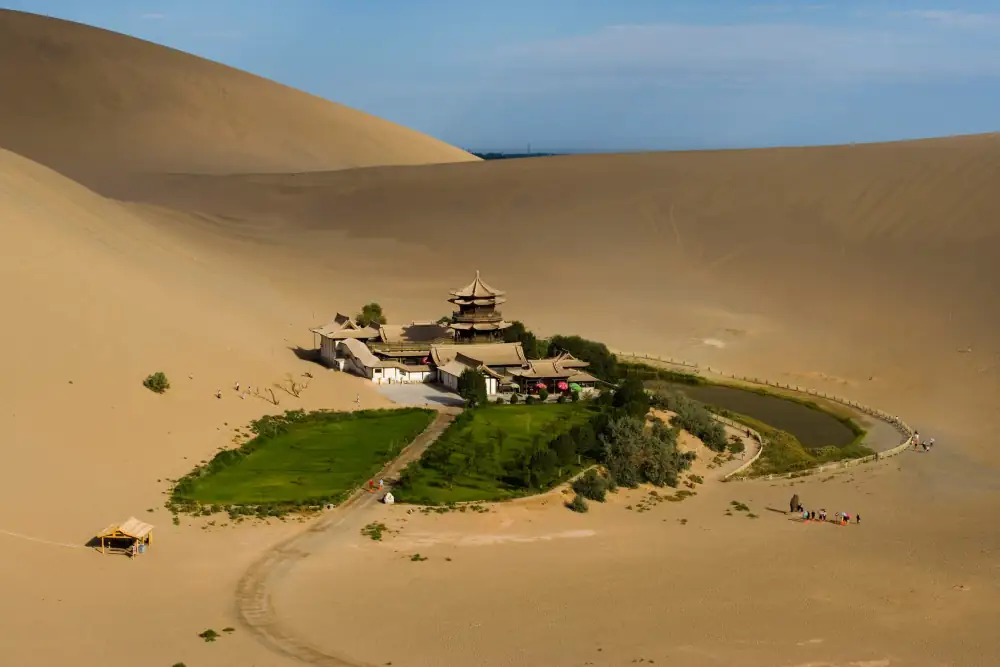
Location: 45 km southeast of Tianshui city. Getting there: From Tianshui Railway Station, Bus 34 or taxi (45–60 min). Tianshui is 1 hour from Xi’an by high-speed rail. Admission: ¥70 scenic area + ¥80 Grotto Museum. Time: Allow 3–4 hours. Best time: Spring (April–May) and autumn (September–October).
Maijishan is the Buddhist grotto complex that most clearly communicates the physical act of devotion — you hang on the cliff face with your hands, looking at figures carved by people who hung in the same place 1,500 years ago.