
Table of contents
Open Table of contents
Maotai — The Town That Drinks the World
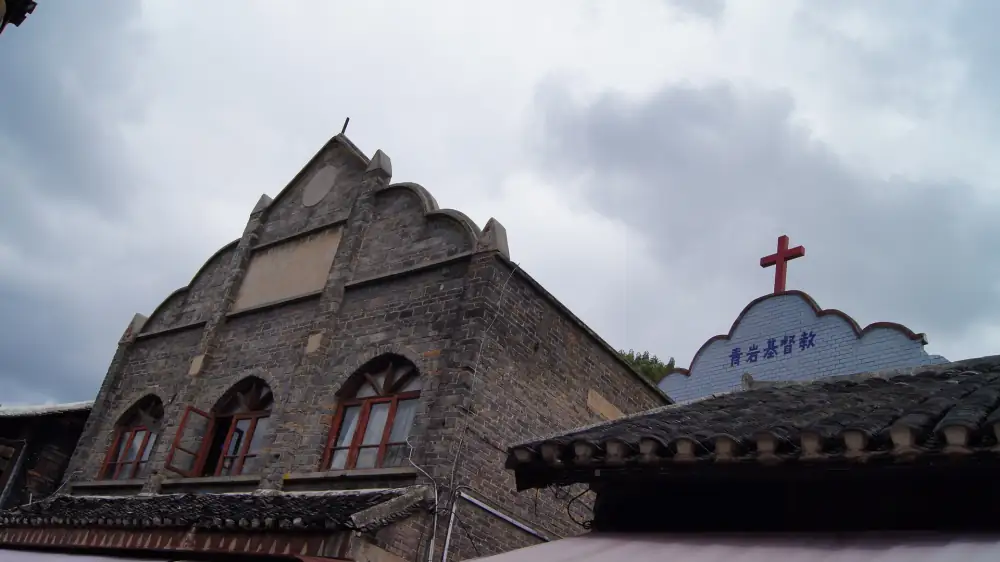
Maotai (茅台) isn’t just a drink — it’s an institution, a status symbol, a diplomatic tool, and for the town that produces it, the reason everything exists. This small settlement of roughly 60,000 people on the banks of the Chishui River in northern Guizhou produces a baijiu (白酒, Chinese white spirit) so prized that a single bottle of the standard Flying Fairy (飞天) retails for ¥1,500-2,000 ($208-277 USD), while vintage and limited editions regularly fetch tens of thousands of dollars at auction.
Kweichow Moutai Co. (贵州茅台酒股份有限公司) — note the different English spelling of the town vs the brand — is the most valuable liquor company on earth, with a market capitalisation that has exceeded $400 billion. The town of Maotai is essentially a company town, but unlike the grim mining settlements that description usually evokes, this one is prosperous, remarkably clean, and invested with a sense of almost spiritual significance by the millions of Chinese consumers who revere the product.
I wasn’t sure what to expect when I visited. Would it be a sterile corporate showcase? A grim industrial zone? Instead, I found a surprisingly attractive riverside town nestled in a steep valley, where the air carries a faint sweet-sour aroma of fermenting grain and the local economy has been transformed by what is, at its core, simply a very good alcoholic drink.
Understanding Baijiu — China’s National Spirit
The Basics
Baijiu is a category of Chinese distilled spirits made from fermented grain, typically sorghum, wheat, or rice. It’s the most consumed spirit in the world by volume (though almost entirely within China), and it comes in several distinct flavour categories:
- Sauce aroma (酱香型): The Maotai style — complex, savoury, with notes of soy sauce, mushroom, and fermented bean paste. This is the most prestigious category.
- Strong aroma (浓香型): The most popular style nationwide — fruity, floral, with a sharp bite. Wuliangye and Luzhou Laojiao are the benchmarks.
- Light aroma (清香型): Clean, crisp, relatively simple. Fenjiu is the standard-bearer.
- Rice aroma (米香型): Sweeter and lighter, made from rice. Popular in southern China.
Why Maotai Tastes Like Maotai
The unique flavour of Maotai baijiu comes from a combination of factors that cannot be replicated elsewhere — which is precisely why the company and Chinese regulators have fought so hard to protect the “Maotai” geographical indication:
The Chishui River water: The river flows through a geologically unique area rich in purple-red sandstone, which imparts specific minerals to the water. The river’s flow rate and temperature also vary seasonally in ways that affect the fermentation process.
The local microclimate: Maotai Town sits in a deep valley at about 400 metres elevation, creating a warm, humid, enclosed environment with relatively stable temperatures. The air is thick with microorganisms — yeasts and bacteria — that have colonised the town over centuries and contribute to the fermentation.
The 12987 process: This refers to the production cycle — 1 year, 2 additions of grain, 9 steamings, 8 fermentations, and 7 distillations. Each batch of Maotai takes a full year to produce and must then be aged for a minimum of 3 years (5 years for the standard product) before blending and an additional year of bottle aging. A bottle of Maotai you buy today contains spirit from at least 5 years ago.
Qu (曲): The fermentation starter, made from wheat and locally sourced microorganisms, is the “soul” of baijiu. Each distillery has its own qu recipe and cultivation methods, and Maotai’s is the most closely guarded secret in Chinese spirits.
Visiting the Distillery
Kweichow Moutai Distillery Tour
The distillery offers guided tours that take you through the production process from grain to bottle. Tours are conducted in Chinese, but the visual elements are largely self-explanatory, and you can arrange an English-speaking guide through your hotel for an additional ¥200 ($28 USD).
What you’ll see:
- The grain preparation area where sorghum is steamed, cooled, and mixed with qu
- The open fermentation pits where the grain ferments in the humid Maotai air
- The distillation stills — surprisingly traditional, using direct-fired woks
- The vast ageing cellar where thousands of ceramic jars silently mature
- The blending room where master blenders combine spirits from different batches and vintages
Tour fee: Free, but reservations are required — book at least one week ahead through the official WeChat mini-program (贵州茅台酒参观预约). Tours run at 9:00 AM and 2:00 PM, limited to 50 people per session.
China Maotai Wine City (中国茅台酒城)
A purpose-built cultural complex that serves as the primary tourist experience. It includes:
The Maotai Museum: Comprehensive exhibits on the history of Maotai, the production process, and the cultural significance of baijiu. The collection of vintage bottles is particularly impressive — some date to the 1950s and are worth millions. Entrance ¥50 ($7 USD).
The Tasting Hall: The highlight for most visitors. You’ll taste three expressions: a young Maotai (3 years), the standard Flying Fairy (5 years), and a premium aged expression (15 years). The guided tasting explains the flavour profile and proper tasting technique. Tasting fee ¥100 ($14 USD).
The Shop: You can buy Maotai at official retail prices here — ¥1,499 ($208 USD) for the standard Flying Fairy, which is actually below the current market price of ¥1,800-2,200 ($249-305 USD). The catch is that there are purchase limits (2 bottles per person per day) and you’ll need to show ID.
Exploring Maotai Town
The Riverfront
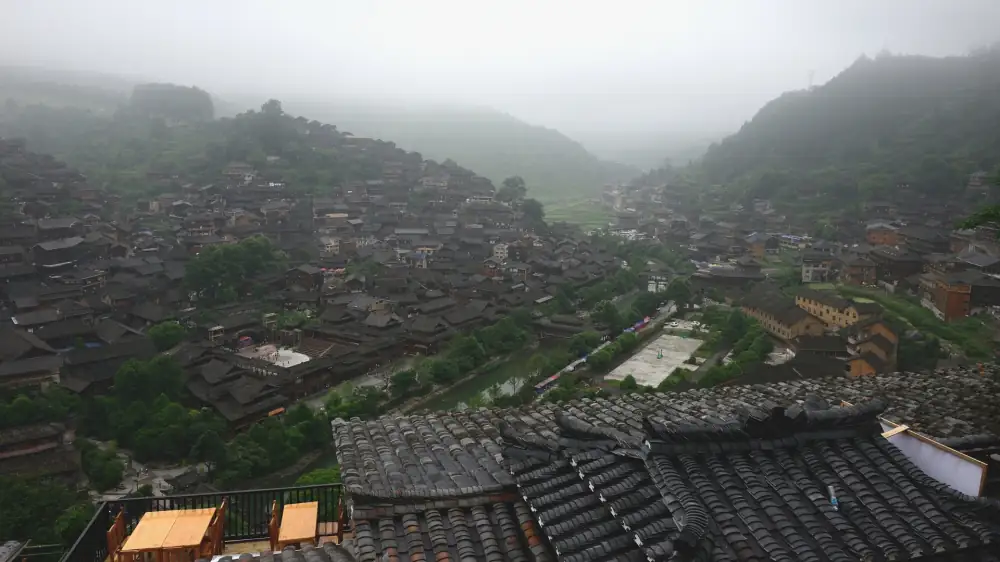
The Chishui River (赤水河) is the reason Maotai exists, and the town has developed an attractive riverside promenade. In the evening, locals gather here to stroll, exercise, and socialise — it’s a pleasant place to absorb the town’s atmosphere. The river is also the site of the famous “Red Army Crossing” — in 1935, during the Long March, Mao Zedong’s forces crossed the Chishui River near Maotai on their epic retreat, and the town commemorates this with a small memorial.
The Old Street
Behind the modern facade of the main road, the old part of Maotai Town retains some traditional architecture from the Qing and Republican eras. Narrow stone-paved lanes wind between two-storey wooden buildings that once housed the small distilleries and merchant houses that predated the consolidated company. Several have been converted into tea houses and small museums.
Maotai International Wine Culture City
A newer attraction that celebrates not just Maotai but global wine and spirits culture. It’s slightly surreal — you can examine exhibits on Scotch whisky, French cognac, and Japanese sake in a town that is synonymous with exactly one drink. Still, the comparative displays are educational, and the building itself is architecturally impressive. Entrance ¥80 ($11 USD).
Baijiu Tasting — How to Drink Like a Connoisseur
The Proper Method
- Observe the colour: Hold the glass against a white background. Maotai should be clear and colourless, with a slight viscous quality
- Smell in stages: First smell from a distance, then bring the glass closer. Maotai’s aroma should unfold in layers — soy sauce, flowers, fruit, nuts, and a characteristic fermented note that devotees call “the Maotai smell”
- Sip, don’t shoot: Take a small sip and let it coat your tongue. Maotai is 53% ABV, so it will burn — but behind the initial heat, you should taste the complexity
- Appreciate the aftertaste (huí wèi, 回味): The hallmark of good sauce-aroma baijiu is a long, pleasant aftertaste that can linger for 30 minutes or more
- Drink water between sips: This cleanses the palate and, according to tradition, enhances the aftertaste
What It Actually Tastes Like
Let me be honest — if you’ve never tried baijiu before, Maotai will probably be a shock. It’s not like whisky or brandy. The flavour profile includes fermented soy, mushroom, overripe fruit, and a slight barnyard quality that sounds off-putting but becomes genuinely addictive once your palate adjusts. I went from “this is undrinkable” to “I need another sip” in the space of about 20 minutes during my first tasting.
Guizhou Cuisine — Fuel for the Spirit
The food in Maotai and the surrounding Renhuai area is robust, spicy, and designed to be eaten while drinking baijiu:
Sour Soup Fish (酸汤鱼): A Guizhou classic — fish poached in a vibrant red broth made from fermented tomatoes and chillies. The sourness is a perfect counterpoint to baijiu’s intensity. ¥48-78 ($6.70-11 USD).
Huajiang Dog Meat (花江狗肉): A controversial but traditional Guizhou dish. If you’re not comfortable with dog meat, there are plenty of alternatives.
Renhuai Mutton (仁怀羊肉): Tender mutton from the local hills, braised with chilli and Sichuan pepper. ¥48-68 ($6.70-9.40 USD).
Stir-fried Guizhou Pickles (炒酸菜): Local pickled mustard greens stir-fried with chilli and garlic. The perfect drinking snack. ¥18-28 ($2.50-3.90 USD).
Maotai-peanuts: A local bar snack — peanuts roasted with a splash of Maotai. ¥10-15 ($1.40-2 USD).
Practical Information
Getting to Maotai Town
By Air: The nearest airport is Zunyi Maotai Airport (WMT), about 30 km from Maotai Town. Flights from Beijing, Shanghai, Guangzhou, Chengdu, and several other cities. The airport was built primarily to serve the distillery’s business travel needs, so facilities are modern. Taxi to Maotai Town ¥60-80 ($8.30-11 USD).
By High-Speed Train: Zunyi South Station on the Chongqing-Guiyang high-speed line is about 80 km from Maotai. From Guiyang, the train takes about 50 minutes (¥60-100/$8.30-14 USD). From the station, a taxi or bus to Maotai takes about 1.5 hours.
By Bus: Direct buses from Guiyang (4 hours, ¥100/$14 USD) and Zunyi (2 hours, ¥50/$7 USD).
Accommodation
Maotai International Hotel: The most luxurious option, owned by the distillery company. Rooms from ¥500-1,200 ($69-166 USD). The hotel bar serves the full range of Maotai products, and the breakfast buffet is surprisingly excellent.
Zunyi Maotai Town Inn: A mid-range option in the town centre. Doubles from ¥200-350 ($28-48 USD).
Budget guesthouses: Several family-run guesthouses offer basic rooms from ¥80-150 ($11-21 USD).
Best Time to Visit
- September — November: The Double Ninth Festival (重阳) in September or October marks the start of the annual production cycle — the first steaming of the new grain. The town celebrates with events and added energy.
- March — May: Pleasant spring weather, fewer visitors.
- Avoid: Chinese Spring Festival (January/February) when the distillery is on holiday and many facilities close.
Health Warning
Maotai is 53% ABV. Drinking it at the pace that locals drink it — frequent toasts, full small glasses — can lead to rapid intoxication. Pace yourself, eat plenty of food, and never feel obligated to match your hosts drink for drink. The Chinese toasting culture can be insistent, but a polite “I’ve had enough” (我喝好了) is perfectly acceptable.
Budget Estimate (2 Days)
| Item | Budget (¥) | Mid-Range (¥) |
|---|---|---|
| Transport from Guiyang (round trip) | 200 | 600 (private car) |
| Accommodation (1 night) | 100 | 500 |
| Meals | 150 | 400 |
| Distillery/museum entrance | 150 | 150 |
| Tasting experience | 100 | 100 |
| Baijiu purchase | 0 | 3,000 |
| Total | ¥700 ($97 USD) | ¥4,750 ($658 USD) |
More Than Just a Drink
What I didn’t expect from Maotai was the genuine sense of pride that permeates the town. These people know that they produce something extraordinary — something that commands the highest prices and deepest loyalty of any spirit in the world’s most populous nation. Whether you share that devotion or not, witnessing the intersection of tradition, science, and commerce that produces Maotai is a uniquely Chinese experience that no other destination can replicate. Come curious, leave educated, and bring an empty suitcase.