
Luoyang: Thirteen Dynasties, One Million Peonies
Luoyang (洛阳) in central Henan province was China’s capital under more dynasties than any other city — thirteen in total, from the Xia dynasty (mythological origin) through the Eastern Han (25-220 CE), Northern Wei (471-534 CE), Sui (605-618 CE), Tang (690-904 CE), and several others. At its Tang dynasty peak, Luoyang’s population exceeded one million — one of the largest cities in the world.
Today, two reasons draw travelers: the Longmen Grottoes (龙门石窟), the UNESCO World Heritage site with over 100,000 Buddhist sculptures carved between 493-907 CE, and the Luoyang Peony Festival (洛阳牡丹节), held every April when the city’s hundreds of thousands of peony plants bloom simultaneously in what may be China’s most spectacular concentrated flower display.
The Longmen Grottoes (龙门石窟)
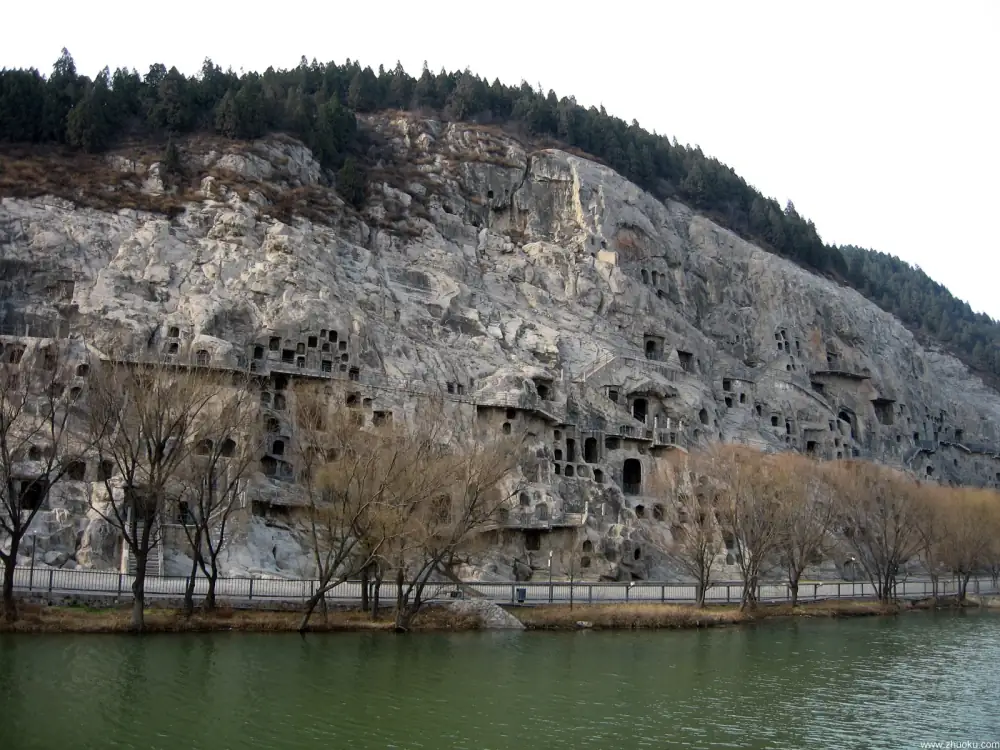
The Longmen Grottoes were carved into the sandstone cliffs lining both banks of the Yi River south of Luoyang, beginning when the Northern Wei dynasty moved its capital here in 493 CE. Carving continued for over 400 years through the Tang dynasty. Today, over 2,300 caves, 40 pagodas, and 100,000 sculptures survive — ranging from giant figures (the largest Buddha, Vairocana, is 17 meters tall) to tiny relief carvings barely larger than a hand.
Key Sites
Fengxian Temple (奉先寺): The crown jewel of the Tang dynasty carving program, commissioned by Empress Wu Zetian (China’s only female emperor) and completed in 675 CE. The central Vairocana Buddha (17.14 meters) has a face of extraordinary refinement — calm, authoritative, and distinctly Chinese in physiognomy compared to the more Gandharan-influenced figures at Yungang. The eight surrounding attendant figures are equally accomplished.
The face of the Vairocana Buddha is said by some to be modeled on Wu Zetian’s own features — a claim that can’t be proven but fits the Empress’s known personality and her personal patronage of this commission.
Guyang Cave (古阳洞): The oldest cave at Longmen, begun before the Northern Wei move to Luoyang in 493 CE. Contains the earliest dated carved inscriptions at the site — the famous “Longmen Twenty Pieces” (龙门二十品), master examples of Northern Wei calligraphic style that have been studied and copied by calligraphers for 1,500 years.
Binyang Three Caves (宾阳三洞): The central cave (Binyang Central Cave) was commissioned by Emperor Xuanwu as an expression of filial piety toward his parents. The side caves were completed later. The reliefs in the central cave include the famous “Emperor’s Procession” and “Empress’s Procession” reliefs (partially now in American museums after being sawn from the walls in the 1930s).
Visiting Logistics
Entry: ¥120 per person. The scenic area covers both banks of the Yi River; allow a full day for a thorough visit.
Two-bank circuit: The West Cliff (西山) contains the major grottoes and should be the priority. The East Cliff (东山) has smaller caves and excellent views back across the river to the West Cliff from a elevated perspective.
The Yi River views: Many visitors make the circuit along both banks, crossing via the Luoyang Bridge at the north end. The view of the West Cliff caves rising from the riverbank, with the Luolong pagoda in the background, is one of China’s most visually harmonious historical landscapes.
Best time of day: Morning (8-10 AM) for the West Cliff caves before the worst crowds; afternoon for the East Cliff when the light falls on the West Cliff from behind you, illuminating the sculptural details.
Luoyang Peony Festival (洛阳牡丹节)
Luoyang has been called the “City of Peonies” since the Tang dynasty, when the peony became the most celebrated flower in China. The city’s combination of soil type, temperature range, and accumulated horticultural knowledge makes its peonies exceptional. The peony is China’s traditional “king of flowers” (花中之王).
The Peony Festival is held annually from approximately April 10-25 (exact dates set annually based on bloom timing). During this period, the city hosts over 10 million visitors and the economic impact is enormous.
What to see: The peonies are planted throughout the city — in dedicated peony gardens, in public parks, along major boulevards, and in the grounds of the tourist sites. The organized viewing areas include:
National Peony Garden (国家牡丹园): The largest concentration of rare varieties — over 1,000 named cultivars. The garden is the scientific center of China’s peony research and preservation. Entry: ¥40 during festival.
Wangcheng Park (王城公园): Centrally located park with a large peony garden that’s been active since the 1960s. Usually the most crowded venue.
隋唐Luoyang City National Heritage Park (隋唐洛阳城国家遗址公园): The largest of the new heritage parks built on the site of the Tang dynasty imperial city. Peony plantings here are integrated with the archaeological site — seeing Tang-era ruins surrounded by Tang-era flowers makes historical sense.
Prices and crowds: The Peony Festival is one of China’s major domestic tourism events. Hotel prices triple during peak bloom week. Trains to Luoyang from major cities sell out. Plan accommodation well in advance or visit in the week before or after peak bloom.
White Horse Temple (白马寺)
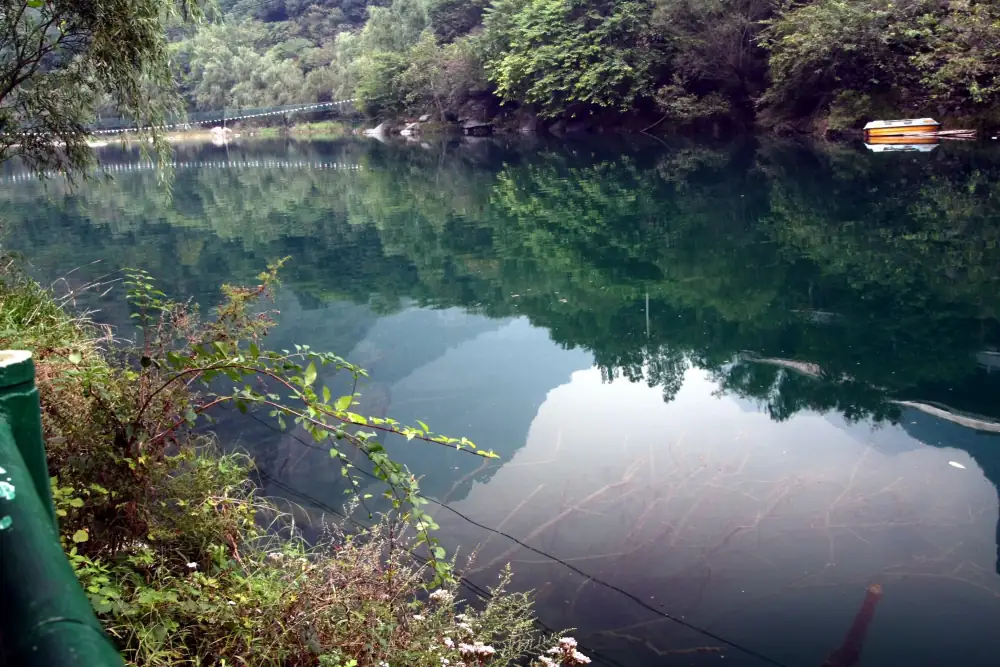
Located 13 km east of Luoyang city, White Horse Temple (白马寺) is China’s first Buddhist monastery — founded in 68 CE according to tradition, when the Han Emperor Mingdi sent envoys to India and they returned with Buddhist scriptures carried by white horses. The temple was built to house the scriptures and the Indian monks who came with them.
The current buildings date primarily from the Ming and Qing dynasties; the original Han structures are gone. But the historical significance is extraordinary — every Buddhist monastery in China descends symbolically from this foundation.
What’s here now: The main halls follow the standard Chinese Buddhist monastery layout, with a large campus including several gardens and the tombs of the Indian monks Kasyapamantanga and Gobharana, who came to China with the original mission.
International Buddhist Community: In recent decades, international Buddhist communities have built their own temples in the White Horse Temple compound — an Indian Buddhist temple (designed by the Indian government), a Burmese Buddhist temple, a Thai Buddhist temple, and others. This creates the odd but spiritually appropriate experience of multiple Buddhist cultural traditions coexisting in China’s first Buddhist sacred site.
Ancient Luoyang and the Sui-Tang Heritage Park
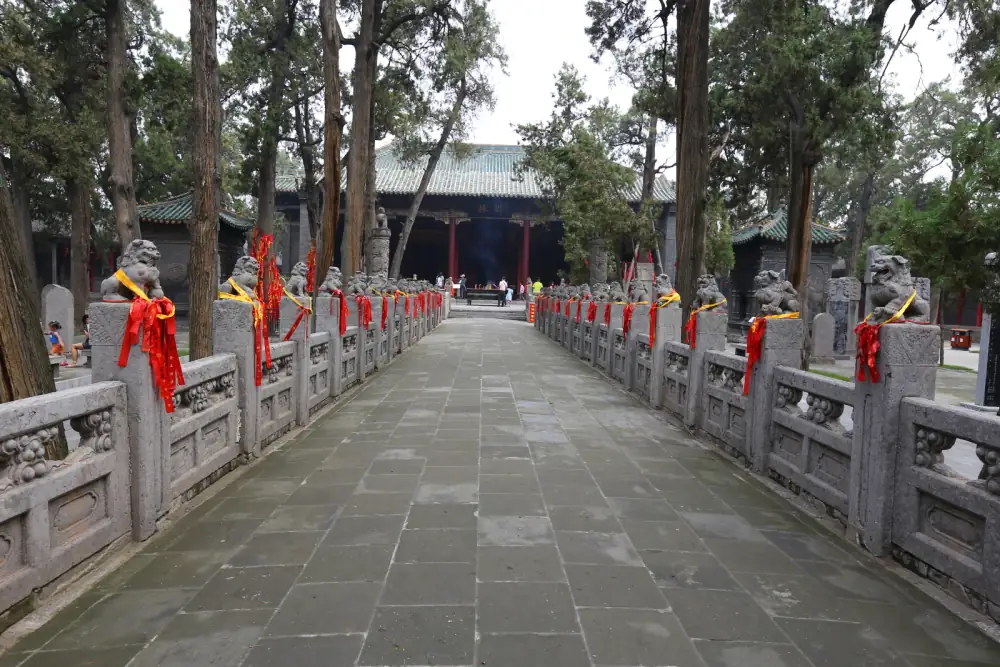
The Imperial Sui-Tang Luoyang City (隋唐洛阳城) occupied a vast area of what is now central Luoyang. The Tianyuan District (天元区) archaeological site is gradually being developed into a heritage park combining genuine archaeological remains with reconstructed Tang dynasty-era architecture.
Mingde Gate (明德门): The reconstructed southern gate of the Tang dynasty inner city. The foundations are original; the superstructure is a modern reconstruction based on archaeological evidence. Entry: ¥40.
Ying Tianmen (应天门): The monumental gate of the Tang imperial palace compound, recently reconstructed at significant scale. The Tang Dynasty Luoyang imperial court conducted major state ceremonies here.
Luoyang’s Modern Food Scene
Luoyang has its own distinctive cuisine tradition — not as internationally recognized as Sichuan or Cantonese, but with genuine character reflecting the city’s Central Plains (中原) cultural heritage.
Luoyang Shuixi (水席, Water Banquet): One of China’s oldest formal dinner formats, consisting of 24 dishes served in a specific sequence — eight cold dishes, four “cushion dishes,” and twelve main dishes. The sequence moves from lighter to heavier. Each dish incorporates a broth or sauce component, giving the meal its “water” metaphor.
Peony Cake (牡丹饼): Festival-season specialty using peony petals in the pastry. Actually delicious, not just ornamental.
Luoyang Spit Roast (洛阳烧鸡): Central China-style roasted chicken with distinctive spicing.
Where to eat: The streets around the Laocheng (Old City) district have the most concentrated traditional restaurants and street food options.
Practical Information
Getting to Luoyang:
- High-speed train from Zhengzhou (provincial capital): 45 minutes; Zhengzhou has direct HSR connections to Beijing, Shanghai, Xi’an, Wuhan
- High-speed train from Xi’an: 2 hours
- High-speed train from Beijing: 3.5-4 hours
- Luoyang Longmen Station (洛阳龙门站) is on the Zhengzhou-Xi’an high-speed line; Luoyang Station handles some additional services
Getting Around: Luoyang is navigable by metro (2 lines) and taxi/DiDi. The main sites are dispersed around the city; having a plan or organized transport helps.
Duration: 2 days minimum; 3 days if including the Peony Festival or thorough exploration of all grottoes. Day trip from Zhengzhou or Xi’an is possible but rushed.
Combination with Nearby: Luoyang pairs well with Zhengzhou (Henan Museum — one of China’s best, with extraordinary Shang dynasty bronze collections) and Shaolin Monastery (少林寺, 75 km south of Luoyang — home of Chan Buddhism and martial arts traditions).
Luoyang doesn’t always get the attention it deserves from international travelers who focus on Beijing, Xi’an, and the famous south. But for depth of historical significance — the combination of Longmen’s Buddhist art, White Horse Temple’s historical primacy, and the city’s extraordinary dynastic history — few Chinese cities can match it.