
Jiangxi (江西) is a province that rewarded the intellectuals and artists who were exiled from power in China’s history. Su Dongpo, Wang Anshi, Ouyang Xiu — some of the greatest literary figures of the Song Dynasty were sent here when court politics turned against them. The mountains and rivers they wrote about from exile created a body of landscape poetry that defined how educated Chinese thought about nature for 1,000 years.
Table of contents
Open Table of contents
Lushan (庐山)
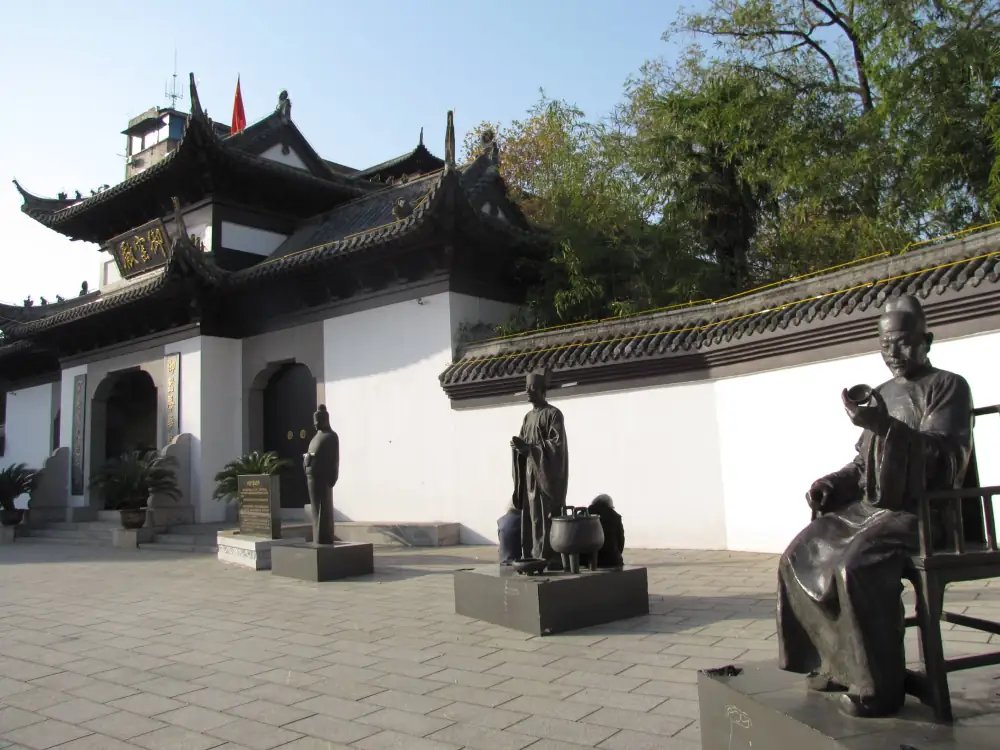
The mountain that Chinese civilization decided was the paradigm of beautiful mountains — painted more times than any other peak in Chinese art, the subject of famous poems since the 4th century. Located north of Nanchang, rising from the southern shore of China’s largest freshwater lake (Poyang Lake).
The cloud aesthetics: Lushan’s fame stems from its cloud phenomena — the mountain is regularly cloud-engulfed, with banks of cloud filling the valleys while the peaks emerge above. The most famous poem about Lushan (Su Shi: “you can’t see the true face of Lushan because you are standing inside it”) addresses this directly.
Guling Town (牯岭): The European-style hill town near the summit — built by foreign missionaries and diplomats as a summer refuge from the Yangtze Valley heat. Over 600 villas from the 1890s–1940s, representing 25 different national architectural styles, are still standing in the fog-drenched forest.
Sandie Spring (三叠泉): A three-tier waterfall 155 metres high — accessible by a 1.5-hour walk from the roadhead or cable car. The three tiers cascade over different rock formations, each tier with a different fall pattern.
Ticket: ¥160 (mountain park). Open year-round; best in September–October and April–May.
Jingdezhen (景德镇)
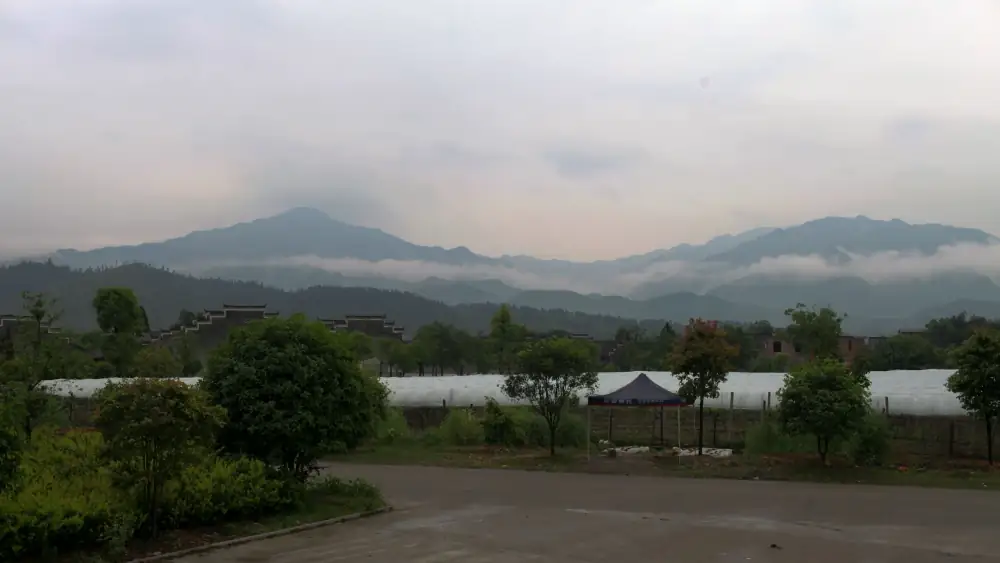
The porcelain capital of the world — the city that supplied the Chinese imperial court with ceramics for 1,000 years, and whose output shaped global ceramic culture through trade with the Islamic world, Japan, Southeast Asia, and Europe.
The history: Jingdezhen was producing ceramics from the 6th century; from the Song Dynasty (10th century) it became the imperial kilns’ exclusive supplier. The white translucent porcelain (“china”) that Europeans attempted to replicate for centuries, and the blue-and-white ware that influenced Delft pottery, Meissen porcelain, and British china all originated here.
The Imperial Kiln Site (御窑遗址博物馆): The archaeological site of the Ming Dynasty imperial kilns, excavated and converted into a museum designed by the architect Zhu Pei. The museum design itself is notable — a series of arched brick structures that reference the kiln shapes. Free.
Taobao Mile (陶溪川): A converted industrial ceramics factory complex — the old kiln buildings transformed into craft studios, galleries, ceramics markets, and the Jingdezhen Sunday market where hundreds of young ceramics artists sell directly from stalls. The scene combines genuine craft tradition with contemporary design culture.
Taking a class: Multiple studios offer hands-on porcelain making — from basic throwing to the specialised techniques of Jingdezhen (painting on bisque-fired porcelain, the distinctive blue-and-white brushwork). Even a half-day class produces tangible understanding of the craft.
Poyang Lake (鄱阳湖) and Crane Migration
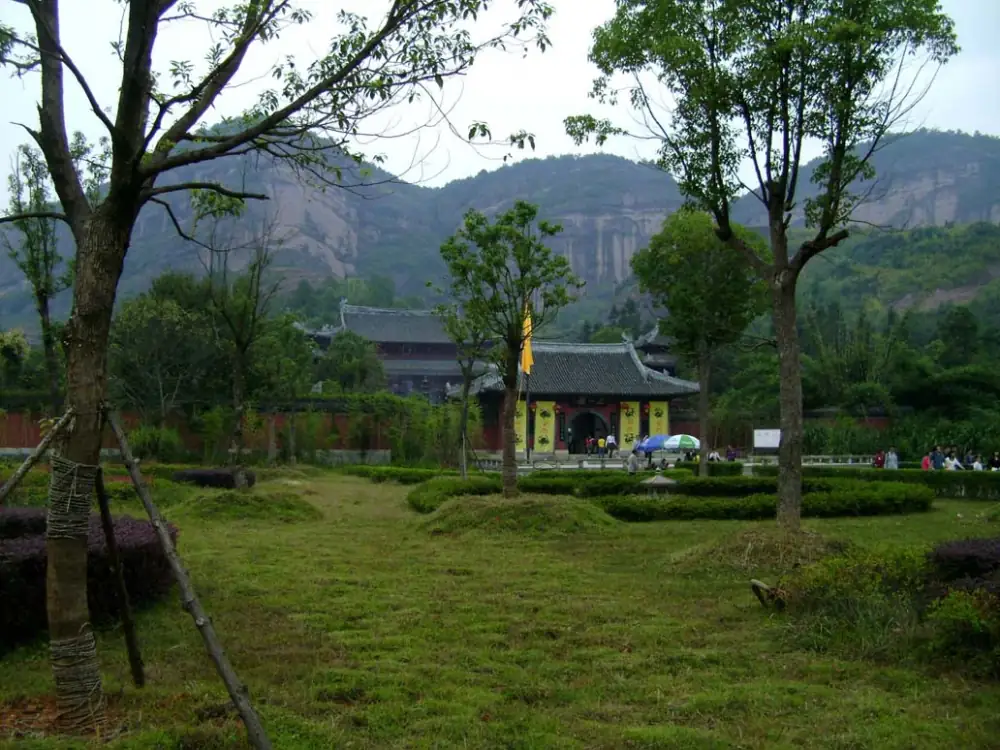
China’s largest freshwater lake — 3,210 km² in summer, contracting to 1,000 km² in the dry season when the wetland margins are exposed. The winter crane migration makes this one of the most significant wetland bird sites in Asia.
The crane numbers: From October to March, over 95% of the world population of Siberian Cranes (白鹤) — around 4,000 birds — winters at Poyang Lake. This is the most concentrated crane gathering in China. Additionally, hundreds of thousands of common cranes, bean geese, Eurasian wigeons, and other migratory birds.
Viewing: The best viewing is from the Nanji Wetland National Nature Reserve (南矶湿地国家级自然保护区) boat tours (November–January), where the exposed mudflats concentrate the birds.
Practical Tips
Getting to Nanchang: Nanchang Changbei Airport (KHN) — well-connected. High-speed rail from Shanghai (2.5 hrs), Guangzhou (3 hrs).
Lushan access: 1.5 hours by bus from Jiujiang (九江) station; high-speed rail from Nanchang to Jiujiang (45 min).
Jingdezhen access: 2 hours by high-speed rail from Nanchang; Jingdezhen Airport (JDZ) has limited connections.
Last updated: May 2026