
Chengde Mountain Resort — the largest imperial garden in China, the Qing Dynasty’s summer capital
Hebei Province wraps around Beijing and Tianjin like a horseshoe, yet most visitors pass through without stopping. This is a mistake — Hebei contains two of the most significant imperial heritage sites in China and some of the most accessible unreconstructed Great Wall sections.
Table of contents
Open Table of contents
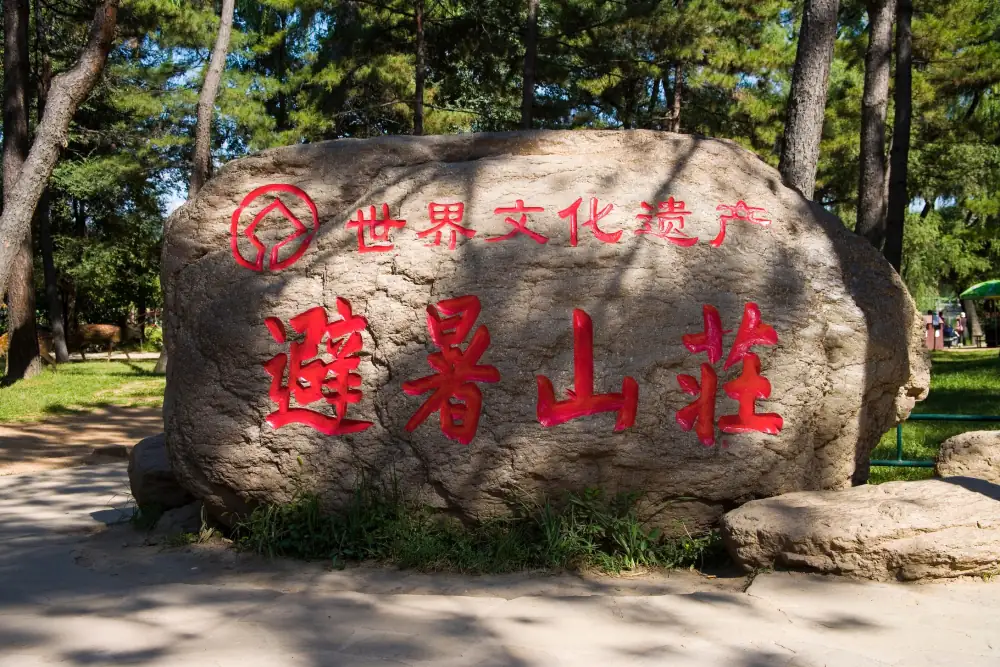
Chengde Mountain Resort (承德避暑山庄)
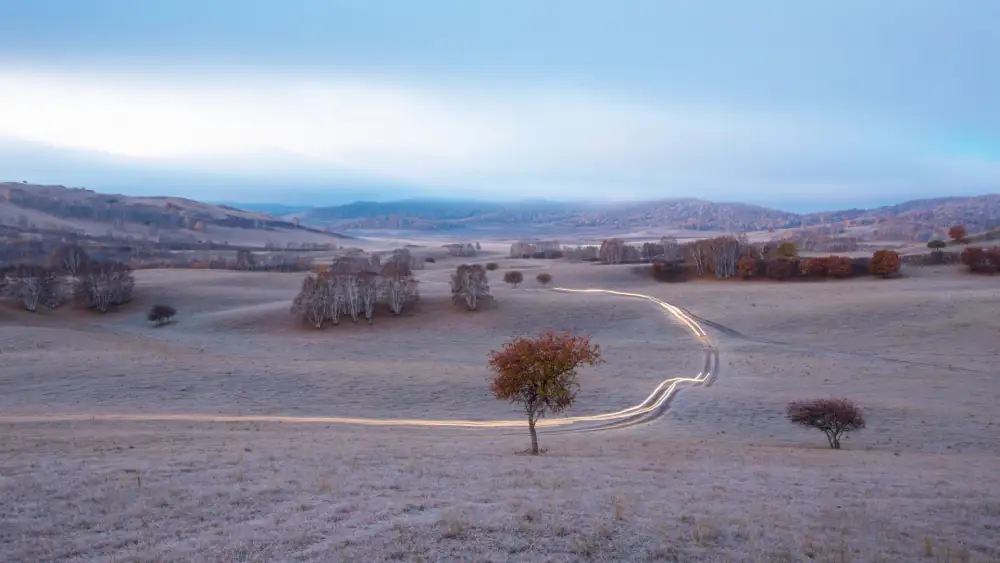
The largest imperial garden in China — 5.64 square kilometres of forests, lakes, plains, and hills, serving as the Qing Dynasty emperors’ summer capital from 1703 to 1820. Located 250 km northeast of Beijing in a mountain valley cooler than the capital in summer.
The Resort: Emperor Kangxi and Qianlong combined spent over 100 years developing this complex into a miniature China — its zones deliberately designed to evoke different regions: Jiangnan-style water gardens, Inner Mongolian grassland, forested mountain wilderness.
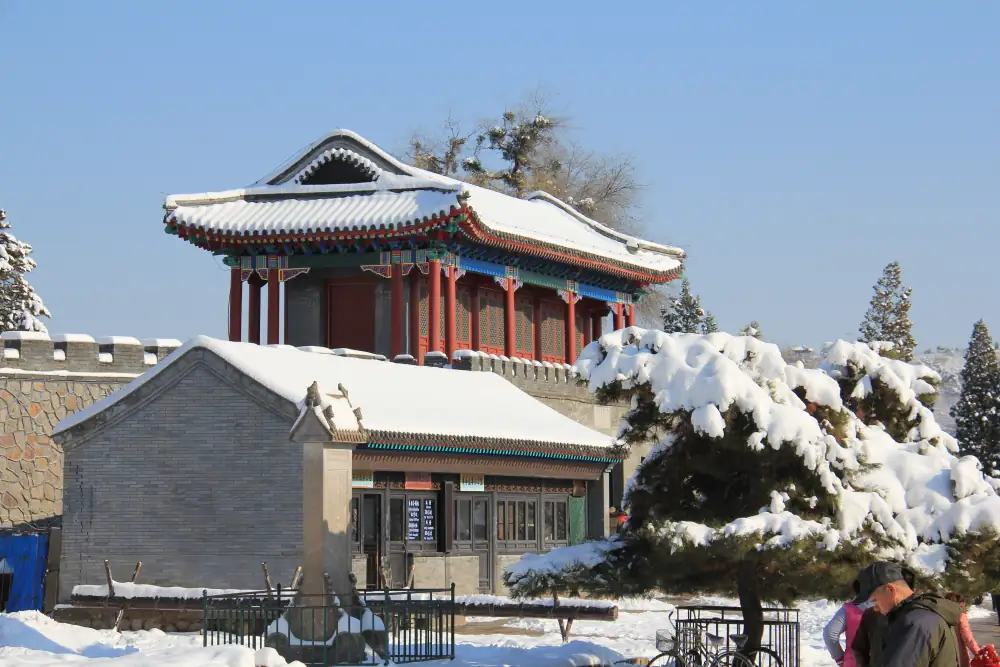
The Eight Outer Temples (外八庙): Eleven (originally twelve) Tibetan-Chinese Buddhist temples built on the hills surrounding the resort — the most extraordinary is the Putuo Zongcheng Temple (普陀宗乘之庙), modelled on the Potala Palace in Lhasa. Built in 1767 to celebrate Emperor Qianlong’s 60th birthday, it is the largest Buddhist building complex in China outside Tibet.
Ticket: ¥145 (resort); ¥130 (Putuo Zongcheng Temple). Getting there: 2.5 hours by high-speed rail from Beijing.
The Putuo Zongcheng Temple — built in 1767, the largest Buddhist complex in China outside Tibet
The Wild Great Wall
Hebei contains extensive sections of unreconstructed Ming Great Wall — brick walls in various states of erosion, with watchtowers crumbling back into the hillside.
Jinshanling (金山岭): On the Hebei-Beijing border — 11 km of partially-restored wall with 67 watchtowers. The best compromise between accessibility and atmosphere. Night hiking tours available in summer. ¥65 entry.
Zhuangdaokou (庄道口): Completely unreconstructed; steep and physically demanding. For experienced hikers only; no commercial facilities. The raw cliff-face wall construction is visible in unprecedented detail.
Gubeikou (古北口): Historic military pass town at the Great Wall — the actual Ming-era garrison town has partially survived, with old temple buildings and garrison architecture alongside the wall.
The wild, partially-restored Jinshanling Great Wall — 11 km of ridge walking with 67 original watchtowers
Zhangjiakou (张家口): 2022 Winter Olympics
The ski resort complex built for the 2022 Beijing-Zhangjiakou Winter Olympics — 200 km northwest of Beijing, connected by the world’s fastest passenger train (Beijing-Zhangjiakou high-speed rail, 47 minutes).
The venues: The Genting Snow Park (古杨树场馆群) hosted freestyle skiing and snowboard events; Biathlon Centre hosted biathlon and cross-country. Several venues now operate as public ski resorts.
Skiing: The Olympic resort infrastructure is available for recreational skiing November–March. Good beginner and intermediate terrain; world-class professional runs from the Olympic events.
Last updated: May 2026