
Table of contents
Open Table of contents
Understanding Poyang Lake
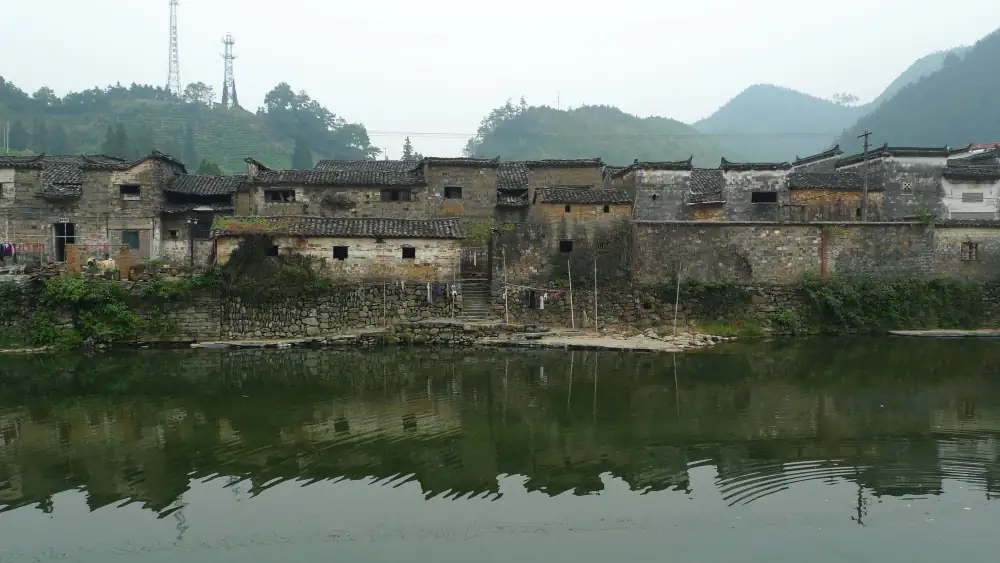
Poyang Lake (鄱阳湖) is China’s largest freshwater lake, but with a significant caveat: its size varies enormously between seasons. In summer (July-September), fed by the five major rivers of Jiangxi and the Yangtze, it expands to over 4,000 square kilometres. In winter, the water recedes dramatically, exposing mudflats and turning vast sections of the lake into shallow wetland habitat — exactly what waterbirds need. At its winter minimum the lake shrinks to perhaps 500-1,000 square kilometres.
This seasonal flooding and recession pattern is what creates the bird habitat. The exposed mudflats are rich in invertebrates; the shallow pools and reed beds provide roosting cover; the relative warmth of Jiangxi’s winter climate (compared to Siberia, obviously) makes it an ideal wintering ground.
When to Visit for Birdwatching
November to March is the birdwatching season. The peak crane numbers are usually reached in December-January. February sees the birds beginning to move northward again. March is the tail end of the season with significantly reduced numbers.
For the best experience:
- Arrive in late November or early December for peak numbers and good weather
- The wettest and coldest period (January) can produce the most dramatic concentrations as birds cluster on remaining open water
- The departure migration in late February-March is also spectacular as large flocks stage before the northward journey
Outside November-March: The lake exists and is accessible year-round, but there is essentially nothing to see in terms of the migratory birds. Summer visits focus on the lake itself, local fishing communities, and the surrounding landscape.
Key Viewing Locations
Wu’cheng Town (吴城镇) and surrounding wetlands: Wu’cheng, a small town on the western shore of the lake, is the most accessible base for crane viewing. The area immediately around Wu’cheng and the nearby national nature reserve zones (鄱阳湖候鸟自然保护区) contain the highest concentrations of birds.
Multiple observation towers and walking paths have been established in the nature reserve area. Local boat operators offer lake tours (approximately ¥150-300 per person for a 2-3 hour tour) that provide excellent close views of bird concentrations from the water — often the best way to see the cranes in good light.
Wanzai Sub-lake (蚌湖) and Dalake Area: Several sub-lakes and channels in the western reserve area concentrate birds in the driest months. Ask local guides for current conditions — the specific best spots shift year to year depending on water levels.
Nanji Wetland (南矶山湿地): The Nanji Wetland National Nature Reserve on a group of islands and peninsulas in the southern lake is one of the most productive viewing areas. Requires boat access. Local fishermen and operators offer transport (¥200-500 per group).
Viewing towers near Xingzi County: The northern lake areas around Xingzi have several accessible observation platforms and are sometimes easier to reach from Nanchang via road.
Getting to the Lake
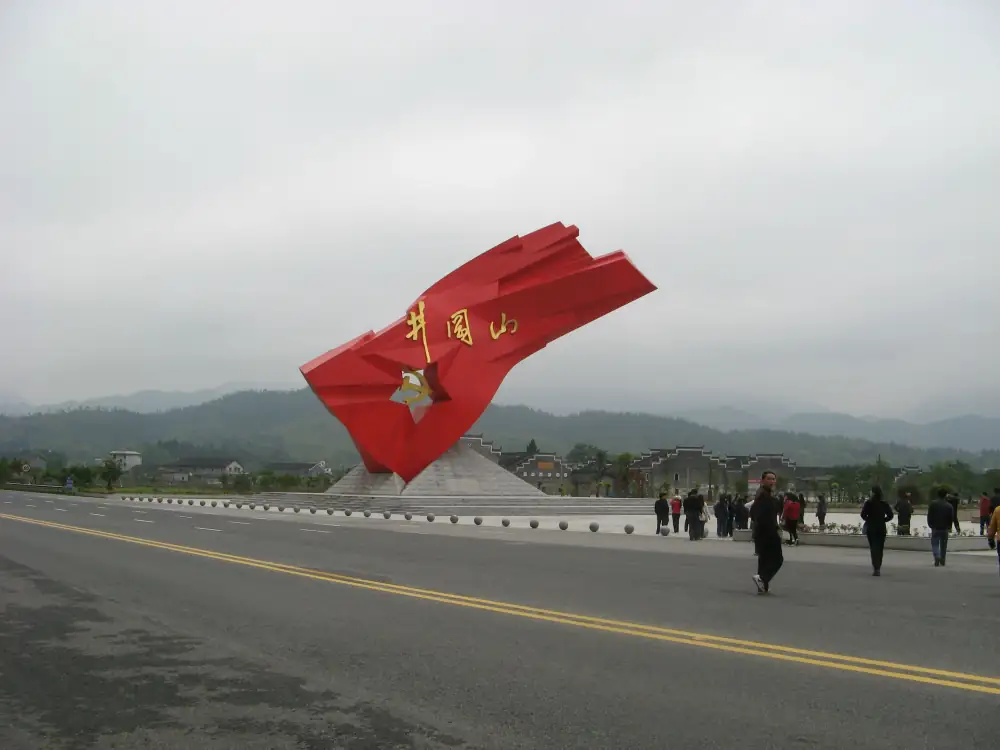
Nanchang (南昌) is the most practical base city. It’s 60-90km from the main lake areas, depending on which section you’re targeting.
From Nanchang to Wu’cheng:
- Bus from Nanchang (various terminals) to Wu’cheng: approximately 2-2.5 hours, tickets ¥30-50. Services are not frequent — check schedules at your hotel.
- Private car hire or taxi from Nanchang: ¥300-500 for a day trip including waiting time. This gives far more flexibility.
- Organised day tours from Nanchang: Several local operators offer winter birdwatching day tours, typically 6am-6pm, ¥300-600 per person including transport, guide, and lunch.
Train to Duchang or Xingzi: High-speed trains from Nanchang connect to smaller Jiangxi cities near the lake. From Xingzi Station, the north lake shore is accessible by taxi (¥30-50).
From beyond Jiangxi:
- Nanchang is on major high-speed rail lines. From Hangzhou: 1.5 hours. From Wuhan: 1.5 hours. From Shanghai: 3-3.5 hours. From Guangzhou: 3.5-4 hours.
Where to Stay
Nanchang (most visitors’ base): Full range of accommodation from budget hostels (¥80-150) to international chain hotels (¥300-800). Nanchang itself has several interesting attractions — the historic Tengwang Pavilion, the August 1st Nanchang Uprising Museum, and a good food scene.
Wu’cheng Town (for serious birdwatchers): Basic guesthouses in Wu’cheng itself, ¥80-200 per night. Staying in or near Wu’cheng allows early morning starts at the reserve — the first light hours are when birds are most active and light is best for photography.
Xingzi or Duchang: Medium-small towns with basic hotel options, ¥100-250 per night. Closer to the northern lake areas.
Photography at Poyang Lake
Winter crane photography at Poyang is genuinely world-class and draws serious wildlife photographers from across East Asia and internationally.
Equipment recommendations: A long telephoto lens (400mm equivalent minimum, 500-600mm preferred for individual bird portraits) is almost essential. A tripod or monopod is helpful in low-light conditions. Waterproof bags and spare batteries are essential — winter conditions can be cold and damp.
Best light: Dawn arrivals at the bird roosting areas, before the birds disperse to feeding areas, provide the most spectacular images — huge numbers of birds in motion against the morning sky. The light quality in the hour after sunrise on clear days is excellent.
Cranes in flight: The Siberian crane in flight is a dramatic photographic subject — pure white with black wing tips, the birds have a wingspan of 210-230cm. Their calls are distinctive and haunting.
Boat photography: From water level, the perspective on bird concentrations is exceptional. Negotiate with boat operators to position the boat for optimal light.
Local Food Near Poyang Lake
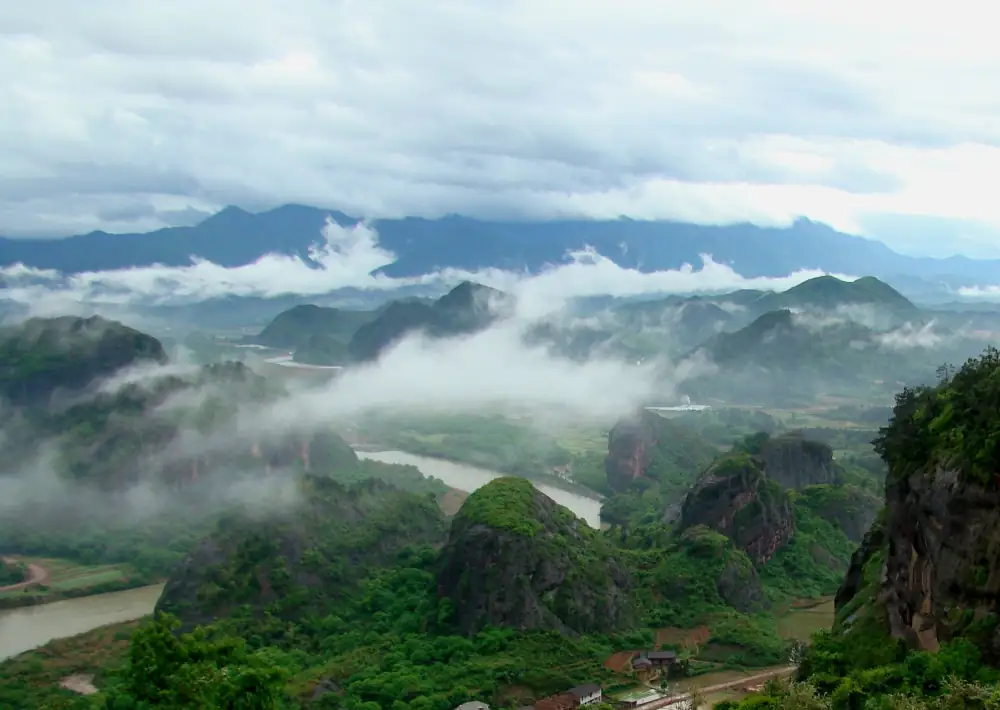
Jiangxi cuisine (赣菜) is one of China’s lesser-known regional traditions but has genuine qualities, especially in the freshwater fish and lake-based ingredients department.
Lake fish: Freshwater fish from the Poyang ecosystem — grass carp (草鱼), silver carp, mandarin fish (鳜鱼) — are the local speciality. Prepared as steamed whole fish, braised with chili, or in a light sour soup. At Wu’cheng restaurants, a whole fish (500-800g) costs approximately ¥40-80.
Lotus root dishes: The lake’s wetland areas produce abundant lotus roots used in soups, stir-fries, and stuffed preparations.
Rice and rice-based products: Jiangxi’s rice growing heritage produces excellent plain rice and several rice noodle preparations.
Local breakfast: In Wu’cheng and lakeside towns, the breakfast options are simple but satisfying: rice congee, pickled vegetables, fried dough sticks, and tea. Expect to pay ¥10-20 per person.
Combine with Other Jiangxi Attractions
Jingdezhen (景德镇): 3 hours from Nanchang, the global capital of porcelain for 1,000 years, with excellent ceramics museums, active kilns, and a vibrant contemporary ceramics scene. A natural 2-day add-on.
Lushan Mountain (庐山): About 1.5 hours from the northern lake area near Xingzi, this UNESCO World Heritage mountain has spectacular year-round scenery, a fascinating history of summer retreats for Qing dynasty diplomats and Republican-era politicians, and good hiking. In winter the mist gives it a dramatic character.
Wuyuan Village Cluster: 3-4 hours east of Nanchang, the famous “most beautiful village in China” rapeseed flower season runs March-April — though this doesn’t overlap well with the main birdwatching season.
Practical Tips for 2026
Winter clothing: Winter temperatures in Jiangxi hover between 5-15 degrees, but windchill on open lake areas is significant. Thermal layers, a windproof jacket, and warm boots are essential for extended birdwatching.
Binoculars: Essential for birdwatching. If you don’t own them, several tour operators loan pairs.
Photography permits: No special permits required for general photography. For certain reserve areas, an entry fee of ¥20-50 is charged.
Guides: A local guide who knows the lake conditions and current bird locations is extremely valuable. Contact Wu’cheng guesthouses in advance or arrange through a Nanchang tour operator. English-speaking guides are available but less common — Chinese-speaking visitors have significantly more options.
Respect the birds: The Siberian crane is critically endangered. Approaching roosting areas too closely, using drones, or disturbing feeding birds causes stress and disruption to the migration cycle. Maintain respectful distances and follow guide instructions.
Poyang Lake in winter offers one of those rare experiences that manages to be both spectacular and profoundly moving — a reminder that China’s natural world, under sustained pressure, still harbours some of the greatest wildlife concentrations on earth. Coming here in crane season is a privilege that shouldn’t be taken lightly.