
The Longji Rice Terraces (龙脊梯田) are among the most dramatic agricultural landscapes in China. Built by Zhuang and Yao minority communities over 650 years, the terraces climb from 300 metres elevation to over 1,100 metres, covering the mountain slopes in an unbroken sequence of curved fields that follow the natural contours of the terrain. The Chinese name — Dragon’s Backbone — describes the visual effect perfectly: the ridgelines look like the scales of a vast dragon lying dormant beneath the fields.
Table of contents
Open Table of contents
Two Terraces, Two Experiences
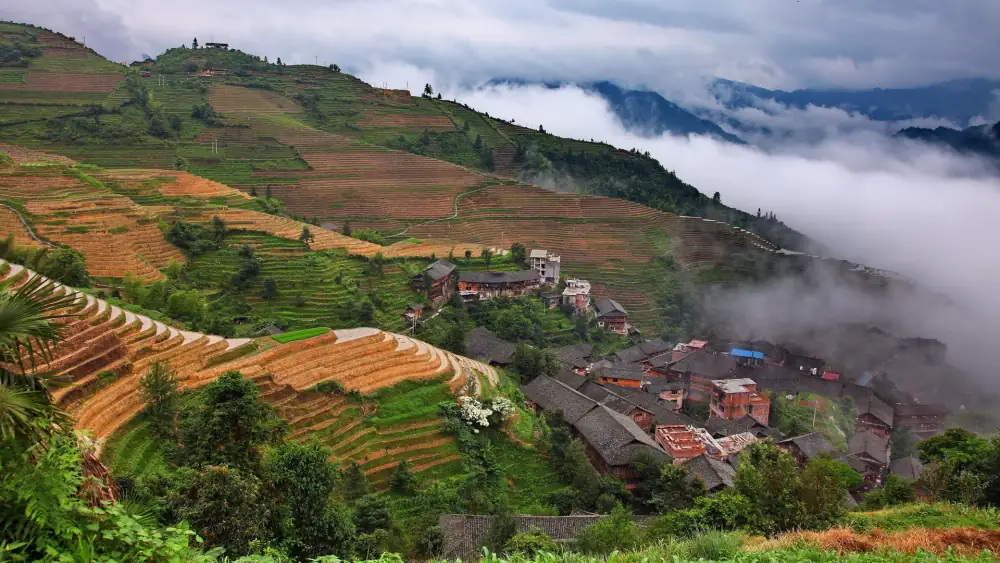
The Longji area divides into two main terrace systems, each associated with a different ethnic minority group and served by different gateway villages.
Ping’an Terraces (Zhuang): The more accessible of the two, Ping’an Village (平安寨) sits at about 700 metres and is the base for exploring the Zhuang people’s terrace fields. The two most famous viewpoints — “Seven Stars and the Moon” (七星伴月) and “Nine Dragons and Five Tigers” (九龙五虎) — are both reachable from here within a 30-45 minute hike. Sunrise from Seven Stars viewpoint, when morning mist fills the valley below the terraces, is consistently listed among the best sunrise views in southern China.
Dazhai Terraces (Yao): The Dazhai area is higher, steeper, and in the view of most photographers who have visited both, more spectacular. The terraces climb further up the mountain and the viewing angle from Dazhai’s “Golden Buddha Top” (金佛顶) viewpoint at 1,180m is longer and more dramatic. The Yao women of Dazhai are famous for their extraordinarily long black hair — some never cutting it their entire lives — which they demonstrate in hair-washing ceremonies that are now a tourist performance but remain culturally genuine.
The two areas are accessible from the same entrance and connected by a hiking trail (about 4-5 hours to walk between them). Most visitors choose one base for their overnight stay and visit both viewpoint areas in the same day.
Seasons
The terraces transform completely with the seasons, and the timing of your visit determines the visual experience.
April-May (Emerald Season): The terraces have just been flooded and planted. The water in the flooded fields reflects the sky, creating mirror-like surfaces between the rows of young rice shoots. The fields glow an intense emerald green. This is the most photogenic water-reflection season and often the quietest in terms of crowds.
June-September (Green Season): The rice grows through summer and the terraces are a uniform deep green. Less dramatic photographically but the mountains are lush and hiking conditions are good. Rainfall is higher in this period.
October-November (Golden Harvest): The rice ripens and turns gold. Harvesting begins in October and the visual effect of golden terraces against the dark green forests of the mountain peaks above is the classic Longji image — the one that appears on most travel magazines and photography calendars. This is the peak season and the most crowded period.
December-February (Winter): When snow falls on the terraces, usually December through February in heavy years, the result is extraordinary — the curved white terraces against the grey-brown mountain background. But transport to the area becomes difficult and homestays may not be heated adequately.
Staying in the Villages
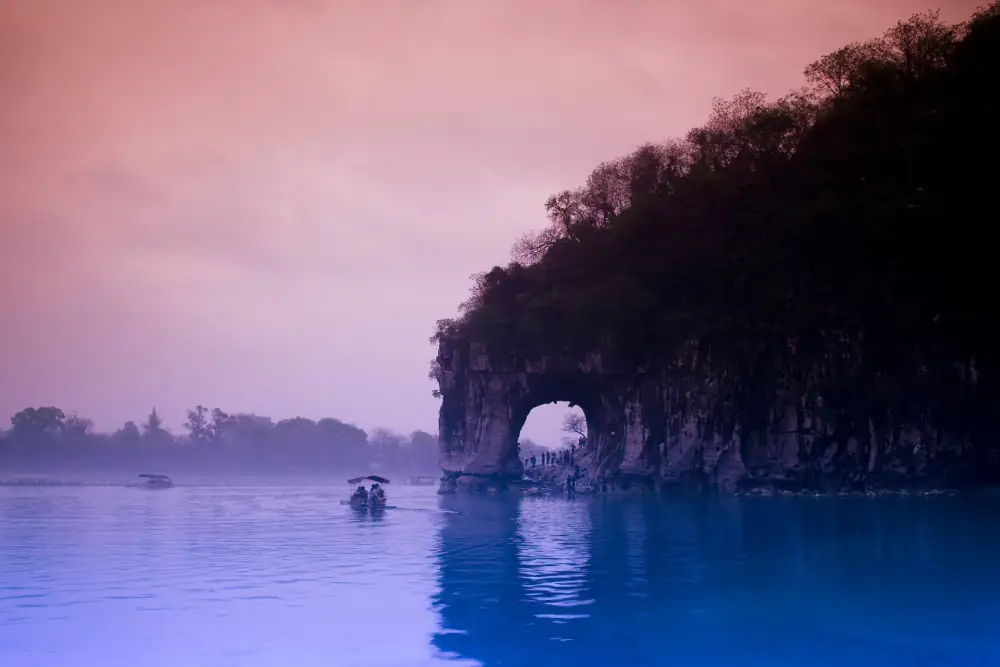
The homestay culture of the Longji villages is one of the area’s greatest appeals. Rooms in family-run guesthouses in Ping’an and Dazhai range from ¥80-200 per night for a basic room with private bathroom, and the family cooking — rice cooked in bamboo tubes, stir-fried mountain vegetables, pork with bamboo shoots — is often the highlight of the trip.
Staying overnight is not optional if you want the sunrise and sunset experience. The day-trip crowds from Guilin (most visitors come on organised day tours) arrive by mid-morning and leave by late afternoon. The hour before sunset and the hour after sunrise belong entirely to the overnight guests.
For Dazhai, the Lilang Guesthouse and several unnamed family operations near the Gold Buddha Top path have reasonable rooms with valley views. Book ahead for October.
Minority Culture
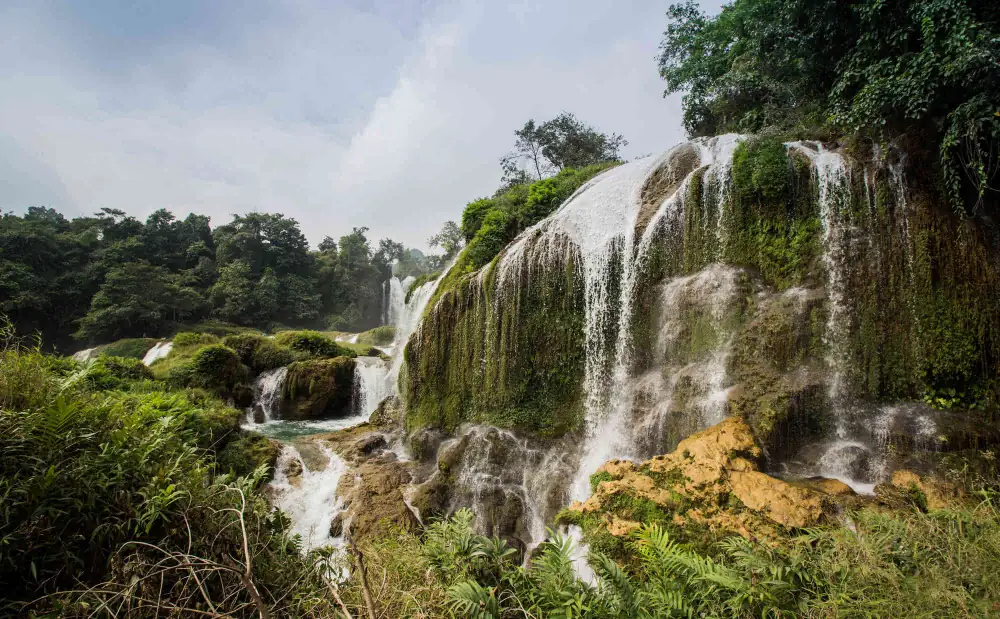
The Zhuang and Yao peoples have maintained distinct cultural traditions on these terraces for centuries. The Zhuang are the largest ethnic minority in China (about 18 million people) and their culture is woven into the daily life of Ping’an village — the wooden architecture, the cotton textiles in blue and white, the New Year festivals.
The Yao of Dazhai are a smaller group with more visible distinctiveness. Beyond the famous long hair, Yao women wear elaborately embroidered clothing in daily life, not as a tourist performance. The evening hair-washing demonstration that many guesthouses arrange (¥30-50 per person) is touristic in format but gives genuine context for a practice that Yao women consider central to their identity.
Getting There from Guilin
Guilin is the transport hub for the Longji terraces. From Guilin city, buses depart from the main bus station to Longsheng county seat (2 hours, ¥30-40), from where minibuses connect to the Ping’an and Dazhai entrance areas (¥15-25).
Most visitors from Guilin take organised tours (¥200-350 per person including transport and sometimes a meal), which are convenient for day trips but leave little time for proper exploration. The DIY route by public bus costs about ¥60-80 in total and takes roughly the same time.
From the scenic area entrance, buses shuttle visitors up to the village areas (¥25 round trip — the roads are extremely steep and narrow), or it’s a 45-minute hike on the pedestrian path.
Admission: ¥80 per person for the Longji scenic area.
Photography Tips
- The Seven Stars and the Moon viewpoint at Ping’an faces southeast — best at sunrise.
- The Gold Buddha Top at Dazhai faces northwest — best at sunset.
- A polarising filter is essential in the flooded-field season to cut reflections and saturate the greens.
- The two best photographs are from the viewing platforms, but the more interesting images come from wandering the narrow paths between the actual terrace walls.
The Longji terraces are about 90km from Guilin, making them a natural extension of the Guilin-Yangshuo limestone karst experience. The combination of the river scenery around Yangshuo and the mountain terrace culture of Longji in a 3-4 day Guangxi circuit gives you two completely different and unforgettable visual landscapes.