
For art and history enthusiasts, few experiences rival the quiet power of ancient Buddhist sculpture. In the heart of Shandong province, the city of Qingzhou (青州, Qīngzhōu) and its surrounding counties preserve a stunning collection of stone-carved Buddhas and bodhisattvas, many with traces of original gold leaf and vibrant pigments. Known collectively as the ‘Qingzhou style’, these works—spanning the Northern Dynasties to the Sui and Tang—have been hailed as ‘a discovery that rewrote the history of Eastern art’. This weekend pilgrimage takes you to four key museums and a monumental outdoor Buddha, offering a concentrated dose of artistic and spiritual heritage.
Table of contents
Open Table of contents
- Why Qingzhou? The ‘Qingzhou Smile’ and a Lost World
- Top Sights: Four Museums and a Giant Buddha
- Suggested Weekend Itinerary
- Getting There & Around
- Best Time to Visit
- Tickets & Booking
- Where to Stay
- Food & Local Specialties
- Practical Tips
- Cost Estimate (per person, 3 days)
- FAQ
- Do I need to book tickets in advance for the museums?
- Are the museums wheelchair accessible?
- Can I take photos inside the museums?
- Is it safe to travel to these smaller cities as a foreigner?
- What is the best way to get between the museums?
- Are there any guided tours in English?
- What should I wear for temple visits?
- Can I use credit cards at museums and restaurants?
Why Qingzhou? The ‘Qingzhou Smile’ and a Lost World
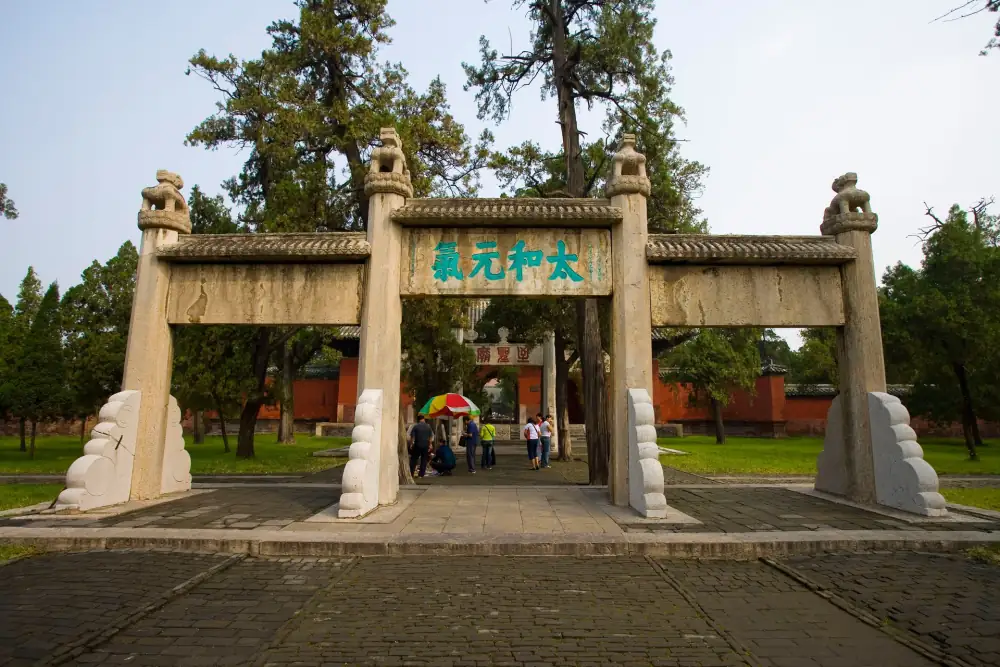
The story begins in 1996, when a cache of over 400 Buddhist statues was unearthed at the Longxing Temple (龙兴寺, Lóngxīng Sì) site in Qingzhou. The find electrified the archaeological world: not only were the figures exquisitely carved, but many still bore traces of gold leaf and polychrome paint—a rare survival that gives the stone a warm, lifelike presence. The serene, enigmatic expressions on these faces became known as the ‘Qingzhou smile’, and the term ‘Qingzhou style’ entered the art-history lexicon.
But Qingzhou was not the only site. In 1984, the Mingdao Temple (明道寺, Míngdào Sì) in nearby Linqu County yielded about 300 statues from a pagoda crypt. Further west, the Longhua Temple (龙华寺, Lónghuá Sì) site in Boxing County produced over 400 pieces, while Zhucheng to the southeast contributed masterpieces of Northern Dynasties carving. Together, these collections form a cohesive yet varied body of work that illuminates the evolution of Buddhist art in north China.
Top Sights: Four Museums and a Giant Buddha
1. Qingzhou Museum (青州博物馆, Qīngzhōu Bówùguǎn)
As China’s only county-level museum to be rated a national first-grade museum, Qingzhou Museum is the essential stop. Its ‘three treasures’ include the sole surviving imperial examination ‘zhuangyuan’ scroll, a Han-dynasty jade bi with inscriptions, and—most importantly—the Longxing Temple Buddhist statues. The museum’s dedicated hall displays dozens of figures arranged chronologically, from the slender, elongated forms of the Northern Wei to the fuller, more naturalistic bodies of the Northern Qi. Don’t miss the Northern Qi painted stone bodhisattva with its serene half-smile and traces of red and blue pigment.
2. Linqu Museum (临朐县博物馆, Línqú Xiàn Bówùguǎn)
Newly reopened after a three-year renovation, Linqu Museum’s ‘Guānzìzài’ (观自在) gallery showcases the Mingdao Temple finds. These statues are notable for their inscribed dates—many bear precise reign-era marks, making them key references for dating Northern Dynasties sculpture. Look for the Northern Wei stone triad with a mandorla (back plate), where the central Buddha is flanked by two bodhisattvas in a composition that feels both formal and tender.
3. Boxing Museum (博兴县博物馆, Bóxīng Xiàn Bówùguǎn)
The Boxing collection stands out for its diversity of materials: stone, bronze, ceramic, and even lacquer. The 104 small gilt-bronze figures, many with clear inscriptions, have been called ‘a yardstick for dating Northern Dynasties bronze statuary’. The museum also displays a rare Northern Qi stone Buddha head with a gentle, almost human expression.
4. Zhucheng Museum (诸城市博物馆, Zhūchéng Shì Bówùguǎn)
Zhucheng boasts the largest single-building county museum in China. Its ‘Northern Dynasties Charm’ hall features the famous ‘Number One Smile of the Northern Dynasties’ —a colossal stone Buddha head from the Eastern Wei, discovered at the Zhucheng Longxing Temple site. The round-bodied, elegantly draped bodhisattvas here are some of the finest examples of Northern Qi carving.
5. Xingguo Temple Zhangba Buddha (兴国寺丈八佛, Xīngguó Sì Zhàngbā Fó)
A short drive from Boxing, this 7.1-metre-tall standing Buddha carved from a single block of bluestone is the largest surviving outdoor stone Buddha from the Eastern Wei period. Its sheer scale and the flowing lines of its robe make it a powerful sight, especially in the open air.
Suggested Weekend Itinerary
Day 1: Arrival in Qingzhou & Museum Orientation
- Morning: Arrive at Qingzhou via high-speed rail from Beijing (about 2 hours) or Jinan (about 1 hour). Check into a hotel near the museum.
- Afternoon: Visit Qingzhou Museum. Allow at least 3 hours. Focus on the Longxing Temple hall. Audio guides are available in Chinese only, so consider hiring a local guide or downloading a translation app.
- Evening: Attend a lecture on ‘Qingzhou-style Buddhist Art’ if available (check local listings or ask your hotel). Otherwise, explore the old town and sample local specialties like Qingzhou pancake and mutton soup.
Day 2: Linqu, Boxing & the Giant Buddha
- Morning: Drive 40 minutes to Linqu Museum (1.5–2 hours). Note the inscribed steles.
- Midday: Continue to Boxing Museum (1 hour from Linqu). Spend 1.5 hours here.
- Afternoon: Visit the Xingguo Temple Zhangba Buddha (30 minutes from Boxing). Then return to Qingzhou or proceed to Zhucheng (1 hour drive).
- Evening: If staying in Zhucheng, sample local seafood and rest.
Day 3: Zhucheng Museum & Departure
- Morning: Explore Zhucheng Museum (2 hours). Don’t miss the ‘Northern Dynasties Charm’ hall.
- Afternoon: Depart from Zhucheng (high-speed rail to Qingdao or Jinan available) or return to Qingzhou for your onward journey.
Getting There & Around
- By High-Speed Rail: Qingzhou is on the Beijing–Shanghai high-speed line. Trains from Beijing South take about 2 hours; from Jinan, 1 hour. Zhucheng and Linqu are also connected by high-speed rail, though with fewer services.
- By Car: Renting a car with a driver (through your hotel or a travel agency) is the most convenient way to visit all sites in a weekend. Expect to pay around ¥600–800 per day for a private car and driver.
- Local Transport: Taxis and ride-hailing apps (like Didi, which works with an international credit card or Alipay) are available in cities but scarce between counties. For more itinerary ideas, see our Shandong travel guides.
Best Time to Visit
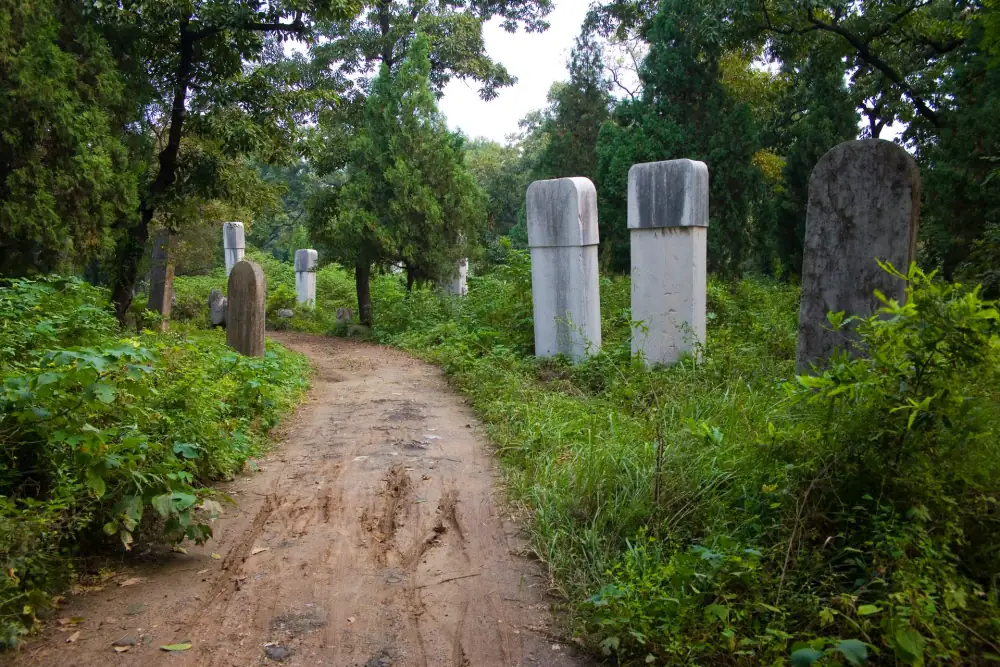
Spring (April–May) and autumn (September–October) offer mild temperatures and clear skies. Summer can be hot and humid; winter is cold but less crowded. The museums are open year-round, though some may have reduced hours during Chinese New Year.
Tickets & Booking
- Qingzhou Museum: Free entry, but advance reservation is required via the museum’s WeChat mini-program (scan the QR code at the entrance). Bring your passport.
- Linqu Museum: Free, reservation recommended.
- Boxing Museum: Free, no reservation needed (but check opening hours).
- Zhucheng Museum: Free, reservation via WeChat.
- Xingguo Temple: Small entrance fee (around ¥20).
Note: All museums are closed on Mondays (except public holidays). Arrive before 16:00 to allow enough time.
Where to Stay
- Qingzhou: Choose a hotel near the museum or in the old town. Mid-range options like the Qingzhou International Hotel (around ¥400/night) offer comfort and convenience.
- Zhucheng: The Zhucheng Hotel is a solid choice for a night.
- For a more immersive experience, consider a guesthouse in Linqu or Boxing—basic but clean, and close to the sites.
Food & Local Specialties
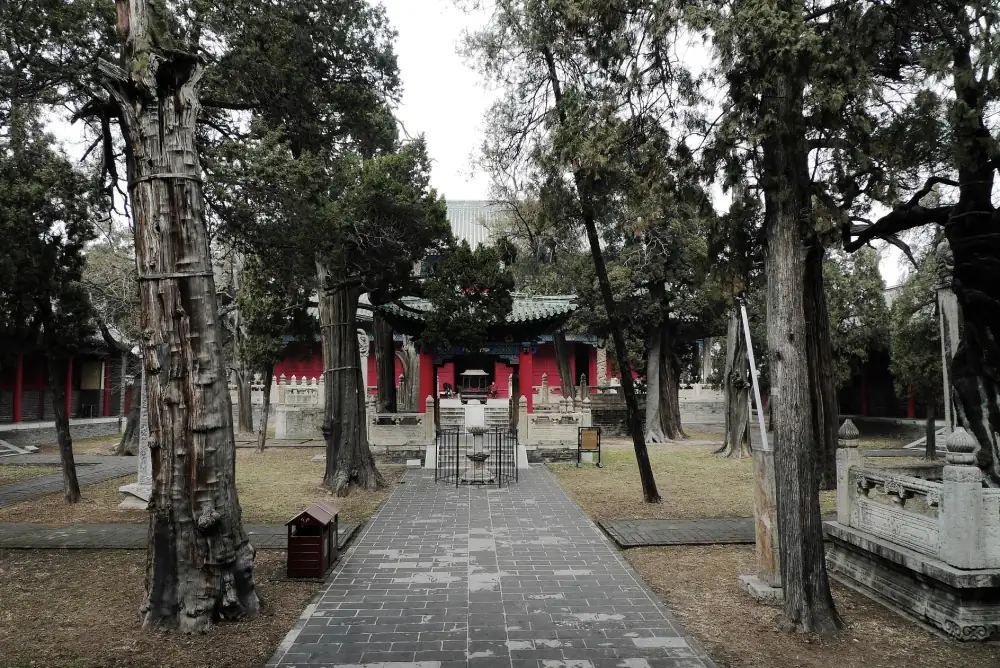
Shandong cuisine is known for its bold flavours and seafood. In Qingzhou, try:
- Qingzhou pancake (青州煎饼, Qīngzhōu jiānbǐng): a thin, crispy crepe often filled with scallions and sauce.
- Mutton soup (羊肉汤, yángròu tāng): hearty and warming, perfect after a day of museum-hopping.
- Seafood: Zhucheng and the coastal areas offer fresh fish and shellfish. For more culinary adventures, see our food guides.
Practical Tips
- Mobile Payment: Alipay and WeChat Pay are widely accepted. Set up Alipay before your trip (international credit cards can be linked). Carry some cash for small vendors.
- Language: Museum labels are in Chinese and English at major sites, but detailed explanations may be Chinese-only. Download a translation app like Pleco or Google Translate.
- Photography: Non-flash photography is usually allowed. Some museums restrict photography in special exhibition halls—look for signs.
- Etiquette: Speak quietly in museums. Do not touch the statues. When visiting temples, dress modestly (cover shoulders and knees).
- Visa: Most foreign visitors need a tourist visa (L-visa). If you are transiting through Beijing or Shanghai, check the 144-hour visa-free transit policy. For more practical tips, see our culture and travel guides.
Cost Estimate (per person, 3 days)
| Item | Cost (¥) |
|---|---|
| High-speed rail (round trip from Beijing) | 600–800 |
| Private car & driver (3 days) | 1,800–2,400 (shared among 2–3 people) |
| Accommodation (2 nights, mid-range) | 800–1,000 |
| Meals (3 days) | 300–500 |
| Entrance fees | 50–100 |
| Total | 3,550–4,800 |
FAQ
Do I need to book tickets in advance for the museums?
Yes, for Qingzhou Museum and Zhucheng Museum, advance reservation is required via their WeChat mini-programs. Other museums may accept walk-ins, but it’s safer to book ahead, especially during holidays.
Are the museums wheelchair accessible?
Qingzhou Museum and Zhucheng Museum have ramps and elevators. Linqu and Boxing museums are older and may have limited accessibility. Contact the museum in advance if you have specific needs.
Can I take photos inside the museums?
Non-flash photography is generally allowed. Flash and tripods are prohibited to protect the artefacts. Some special exhibitions may ban photography entirely.
Is it safe to travel to these smaller cities as a foreigner?
Yes, Shandong is a safe region with friendly locals. However, English is not widely spoken outside major tourist sites. Carry a translation app and have your hotel’s address written in Chinese.
What is the best way to get between the museums?
The most efficient way is to hire a private car and driver for the weekend. Public buses connect the county towns but are infrequent and may require multiple transfers. A guided tour is also a good option.
Are there any guided tours in English?
Currently, most guided tours are in Chinese. However, you can hire a private English-speaking guide through travel agencies in Qingzhou. Alternatively, use a self-guided audio tour app (some museums offer downloadable content).
What should I wear for temple visits?
Dress modestly: cover shoulders and knees. Comfortable walking shoes are essential as you will be on your feet for hours. In winter, bring warm layers as museums may not be heated.
Can I use credit cards at museums and restaurants?
Credit cards are accepted at larger hotels and some restaurants, but for smaller vendors and museum souvenir shops, cash or mobile payment (Alipay/WeChat Pay) is preferred. Set up Alipay before your trip.