
Table of contents
Open Table of contents
The Five Terraces and Their Geography
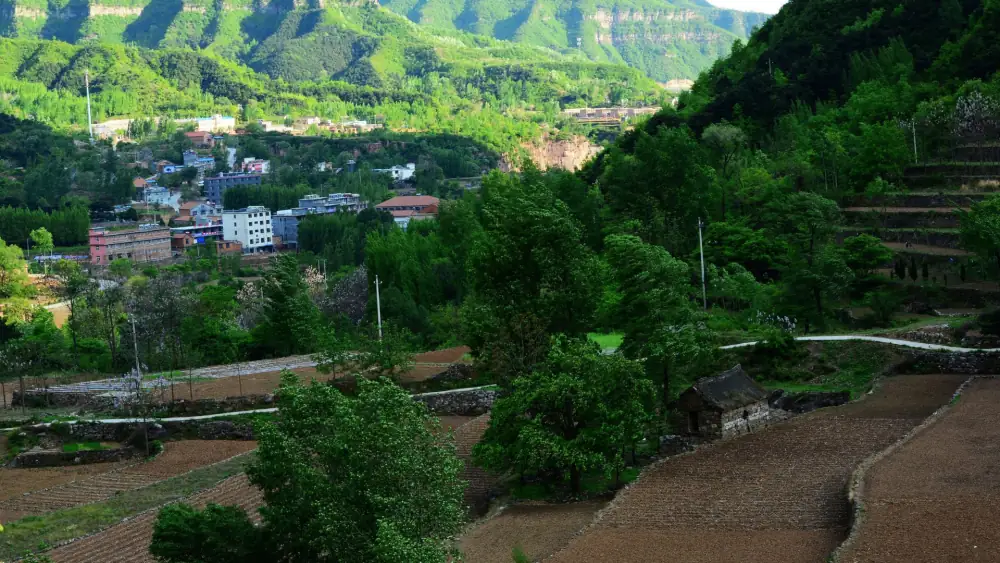
The mountain’s Chinese name (Five Terrace Mountain) refers to the five main peaks that form the outer perimeter of the sacred area:
North Terrace (3,061m): The highest peak, the highest point in northern China. The Lingying Temple at the summit is accessible by walking (5-6 hours from the valley floor) or vehicle on a rough road.
East Terrace: Best known for sunrise views. Accessible by gravel road or 2-3 hours walking.
South Terrace (2,485m): Covered in wildflowers in summer, accessible by vehicle.
West Terrace: Remote and less visited, offering the best panoramas of the whole complex.
Central Terrace: The central peak with the Yanke Temple and classic views of all four other peaks.
Most visitors focus on the cluster of monasteries in the valley. But if time allows, the walk to the North Terrace is one of the great mountain walks in northern China.
The Main Monasteries
Xiantong Monastery: The oldest and most important, founded in 58 CE. The complex stretches across multiple courtyards with seven main halls. The bronze hall — a miniature brass temple within a temple — is one of the finest examples of its kind in China.
Tayuan Monastery: The monastery most people photograph. Its large white Tibetan-style stupa (Great White Stupa) dominates the valley skyline and has become the mountain’s visual symbol. Built in the 14th century, the stupa stands 56.4 metres tall.
Pusading Monastery: Perched high on the Lingfeng Terrace above the valley, this has been the primary site for Tibetan Buddhist practice on Wutai Shan since the Qing dynasty. The 108-step climb is considered an act of devotion. Views from the top over the valley are excellent.
Luohou Monastery: Known for the mechanical “Flower Opening and Revealing the Buddha” device in its main hall — a wooden lotus that opens mechanically to reveal Buddha figures. Performances typically happen at 10am and 2pm daily.
Nanchan Temple (50km south): Requires separate transport, but contains the oldest surviving timber-frame structure in China, dating to 782 CE during the Tang dynasty. Essential for architecture enthusiasts.
Tickets and Entry
Scenic area pass: 180 yuan per person. Covers the main walking area and monastery grounds. Individual monasteries may charge additional small entry fees (5-20 yuan each). The pass is valid for the duration of your stay.
Vehicle access: Private cars must park at the entrance and take shuttle buses (20-40 yuan per trip) to different areas — a UNESCO-mandated environmental protection measure.
Opening hours: The scenic area is open year-round. Individual monasteries typically open 7-8am and close at 5-6pm.
Getting to Wutai Shan
From Taiyuan: High-speed train to Xinzhou North (40 minutes, 40-75 yuan), then bus to Taihuai (2 hours, 40-50 yuan). Total journey: 3-4 hours. Direct tourist buses from Taiyuan long-distance bus station run in summer (3.5-4 hours, 60-80 yuan).
From Beijing: High-speed train via Taiyuan to Xinzhou North, then bus to Taihuai. Total 4-5 hours. Direct tourist buses from Beijing Liuliqiao terminal run during peak season (June-October), approximately 4.5-5 hours, 120-150 yuan.
From Datong: Approximately 3 hours by road (200km). Direct buses available.
Best Time to Visit
Summer (June-August): The most popular season. The mountain is lush green, temperatures comfortable at 15-25 degrees in the valley. Peak pilgrimage season brings the largest crowds.
September-October: Many experienced visitors consider this optimal. Autumn colours transform the mountain, and crowd reductions allow more contemplative visits.
Winter (November-March): Quiet and atmospheric. Snow covers the peaks and prayer banners. Temperatures drop to -25 degrees at night. Smaller monasteries close, but Xiantong, Tayuan, and Pusading remain open.
Spring (April-May): Wildflowers emerge and temperatures are pleasant. Variable weather.
Where to Stay
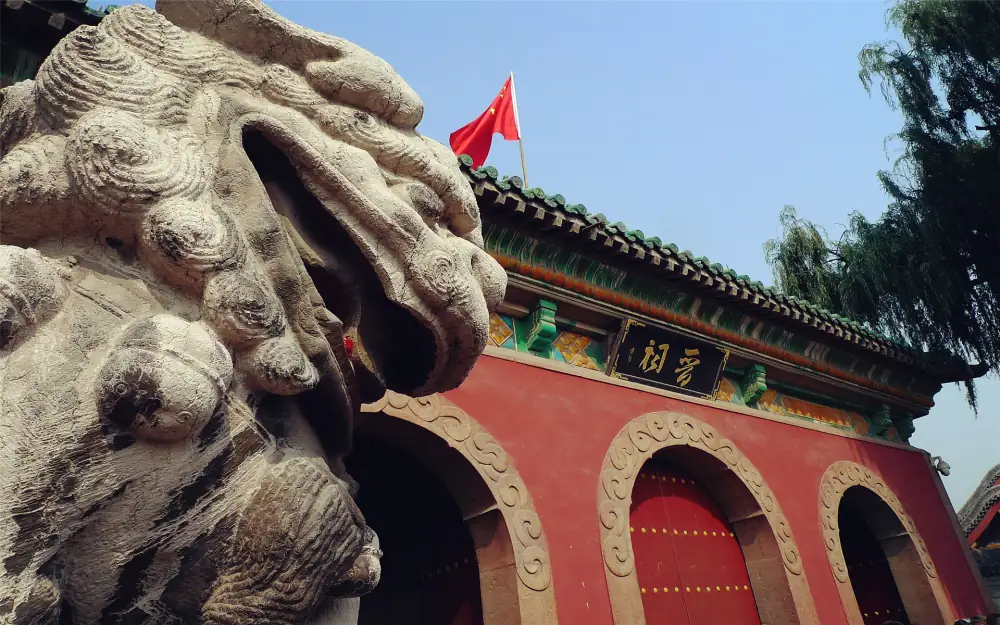
Monastery stays: Several monasteries accept pilgrims and general visitors for overnight accommodation. Basic rooms with communal bathrooms, 50-100 yuan per night (donations expected). Waking to dawn prayers and bells is memorable.
Guesthouses: Basic local guesthouses in Taihuai, 100-250 yuan per night. Quality varies.
Hotels: The Wutai Shan International Hotel and mid-range properties offer comfortable rooms, 300-600 yuan per night. Book well ahead for summer weekends.
Local Food and Vegetarian Dining
Wutai Shan is an unusual destination for food in that vegetarian cuisine is genuinely excellent here. Most monastery canteens serve vegetarian meals open to visitors (10-30 yuan per person) — simple, nourishing, and authentic.
The valley settlement has restaurants serving both standard Chinese cuisine and local Shanxi specialities. Shanxi knife-cut noodles (刀削面), vinegar-dressed cold dishes, and braised pork belly (红烧肉) are all excellent. Budget 40-80 yuan per person for meals in local restaurants.
Practical Tips for 2026
Photography: Respectful photography permitted in monastery grounds. Restricted inside prayer halls — look for signs. Never photograph monks performing rituals without permission.
Pilgrimage etiquette: Walk clockwise around stupas and prayer wheels. Don’t step on thresholds. Remove shoes when required. Keep voices low inside monasteries.
Altitude: Valley floor at approximately 1,700m, peaks at 2,485-3,061m. Mild altitude symptoms possible if arriving quickly from low-elevation cities. Pace yourself on the first day.
Dress modestly: Covering shoulders and knees is respectful in monastery settings.
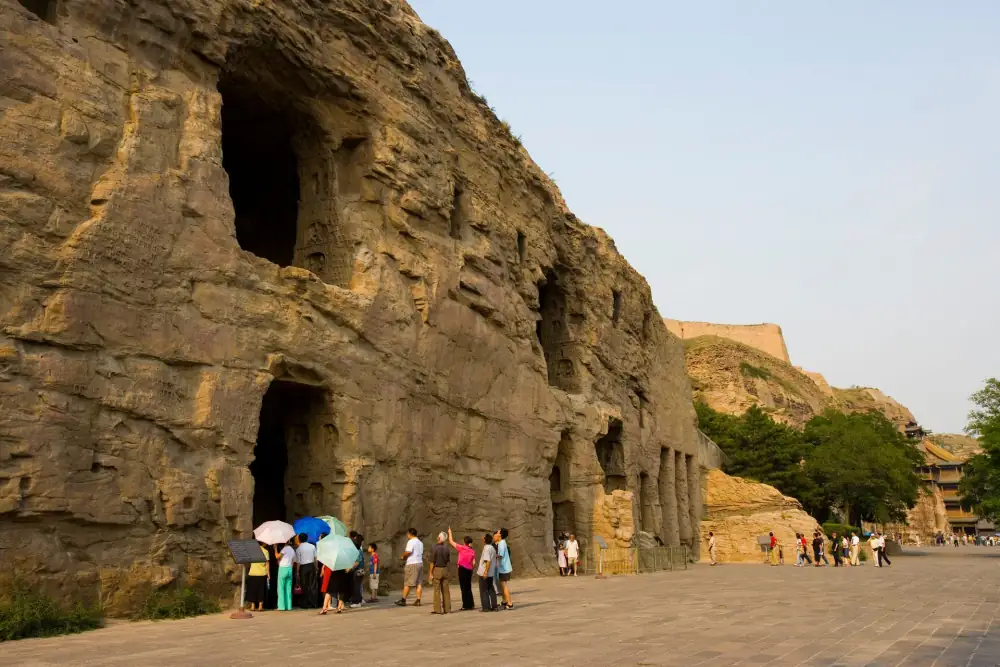
Combine with Datong: Wutai Shan and Datong (with Yungang Caves, Hanging Monastery, and ancient city walls) make a natural paired itinerary for a 4-5 day Shanxi cultural trip. The historical depth across northern Shanxi is genuinely world-class.
Morning routines: The most atmospheric times at the monasteries are early morning (7-9am) when monks perform daily rituals and pilgrims circumambulate the stupas, and dusk when evening prayers begin. Try to be at the Great White Stupa at either of these times for the complete experience.
Wutai Shan asks something of its visitors — a pace of movement and quality of attention that the secular world rarely requires. In return it offers an encounter with living Buddhist tradition at a scale and depth that few places in East Asia can match.