
Xi’an Dumpling Banquet: A Taste of the Tang Dynasty
Xi’an’s dumpling banquet (饺子宴, jiǎo zi yàn) is one of China’s most famous culinary theatrical experiences — a multi-course meal structured around dozens of varieties of dumplings, each shaped to represent a different animal, fruit, or concept, and each filled with a different combination of ingredients. The concept draws on Tang dynasty court cooking traditions, when intricate, artistically shaped dim sum-style foods were served as part of elaborate imperial banquets.
Whether it constitutes a genuinely historical recreation or an elaborate tourist attraction is debatable. What’s clear is that Xi’an’s dumpling culture is real, historically grounded, and genuinely enjoyable.
History: Dumplings in Tang Dynasty Xi’an
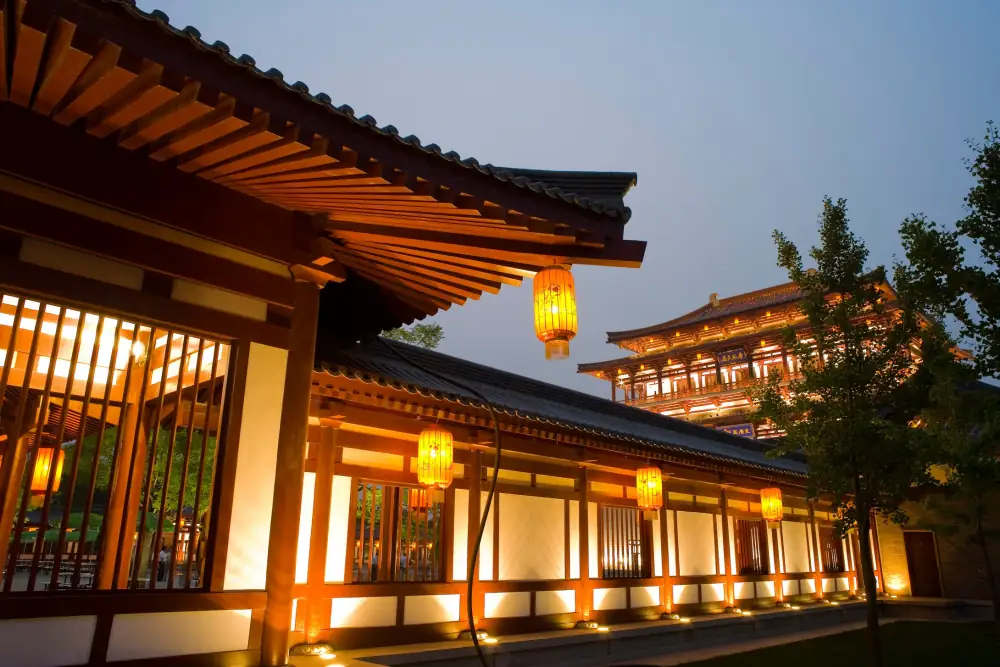
Xi’an (then called Chang’an) was the capital of the Tang dynasty (618-907 CE), the period many consider China’s cultural golden age. The Silk Road trade routes converged on the city, bringing ingredients, techniques, and culinary influences from Central Asia, South Asia, and the Middle East into contact with Chinese cooking traditions.
Archaeological excavations in the region have recovered Tang dynasty cooking implements and depictions of various dumpling shapes in tomb murals. The Tang imperial court documented elaborate food preparations including intricate pastry shapes, suggesting that the artistry associated with Xi’an’s current dumpling culture has historical roots.
The modern “dumpling banquet” format was formalized in the 1980s as Xi’an developed its tourism industry, drawing on this historical tradition but presenting it in a structured restaurant format.
The Dumpling Banquet Experience
A standard Xi’an dumpling banquet consists of 16-36 varieties of dumplings, each made fresh and presented in sequence. The varieties include:
By shape: Dumplings shaped like goldfish, crabs, rabbits, peonies, lotus flowers, pomegranates, and various mythological animals. The shaping is genuinely skilled; the best versions are small artworks.
By filling: Fillings range from the classic (pork and cabbage; lamb and scallion) to the unusual (rose petal and pork; osmanthus and walnut; various seafood combinations). Each filling connects to the dumpling’s shape thematically — a crab-shaped dumpling is typically filled with crab meat, a persimmon-shaped dumpling with sweet persimmon filling.
By cooking method: Boiled, steamed, pan-fried, and deep-fried varieties appear in sequence through the meal.
Portion sizes: Each variety is typically served as 2-4 pieces, with the meal building cumulatively to a substantial total.
Where to Eat Dumpling Banquet
Defachang (德发长饺子馆)
The most historically significant option — Defachang, established in 1936, is the restaurant credited with formalizing the modern dumpling banquet format. Located in a prominent position near the Drum Tower, the restaurant occupies a large multi-story space decorated in Tang dynasty-inspired design.
Price range: Banquet sets typically run ¥98-288 per person depending on the number of varieties (typically 16, 24, or 36 types).
Quality: Food quality is solid though not extraordinary; you’re paying partly for the theatrical presentation and historical cachet.
Reservation: Strongly recommended for dinner; lunch is often possible without reservation.
Address: 3 Jiefang Road, near Drum Tower.
Tang Dynasty Food Cultural Street (唐村)
Several restaurants near the Bell Tower and Drum Tower area offer various dumpling banquet formats at different price points. The competition between establishments has generally kept quality high.
Jiasan Guantang Baozi (贾三灌汤包子馆): Not technically a dumpling banquet restaurant, but the best soup dumplings in Xi’an are served here — guantang baozi (灌汤包子), large soup dumplings with thin skin and a pocket of aromatic broth around the filling.
Muslim Quarter Adjacent Options
The Muslim Quarter’s (回民街) food options include dumpling variants that reflect the neighborhood’s lamb-focused, halal culinary tradition. The lamb-filled dumplings (羊肉饺子) here are often simpler and more flavorful than the elaborate tourist banquet versions.
Beyond the Banquet: Other Xi’an Food Essentials
Biangbiang Noodles (biángbiáng面)
Xi’an’s most distinctive dish — extremely wide, hand-pulled noodles (each noodle is roughly the width of a belt) dressed with chili oil, garlic, vinegar, and topped with briefly sautéed vegetables. The name “biang” uses a character so complex it exists in no standard character set — 57 strokes, possibly the most complicated Chinese character in use.
The noodles are extraordinary — chewy, satisfying, with the distinctive Shaanxi sour-spicy flavor profile. Available at restaurants throughout Xi’an, from hole-in-the-wall eateries (¥15-25) to tourist-oriented restaurants (¥30-50).
Where to try: The most authentic biangbiang noodles are in the residential neighborhoods around Xiaozhai and the university area, away from the tourist center.
Rou Jia Mo (肉夹馍)
Often called “Chinese hamburger” — a crispy, sesame-topped flatbread split and filled with slow-braised pork (or lamb, or vegetables). The pork version uses pork belly braised for hours in a complex spice mixture (including coriander, ginger, star anise, and dozens of other spices).
The distinction between a great rou jia mo and a mediocre one is profound. The best versions have crackling-crisp bread and extraordinarily flavorful, tender meat. The Muslim Quarter has both pork-free lamb versions (for halal requirements) and pork versions from Han vendors.
Where to try:
- Huang Jia Rou Jia Mo (黄家肉夹馍): Often cited as the best in Xi’an, with a location near the Bell Tower
- Muslim Quarter vendors for lamb versions
- Any restaurant with a visible queue of locals
Xi’an Cold Noodles (凉皮)
A Xi’an specialty that’s now spread throughout China but originated here — thin, smooth rice or wheat flour sheets (skin) cut into noodle-width strips, dressed with sesame paste, chili oil, vinegar, and garlic water. Served cold (or room temperature), they’re refreshing in summer and satisfying year-round.
Persimmon Cake (柿子饼)
Xi’an’s abundant persimmon production is reflected in these traditional sweet cakes — crispy exterior, soft persimmon-and-walnut filling, pan-fried to a golden brown. Particularly associated with the Zhifang Street (知枋街) area near the Small Wild Goose Pagoda.
Xi’an Food Street Guide
Muslim Quarter (回民街)
The Muslim Quarter (回民街, Huí Mín Jiē) is the heart of Xi’an’s food culture, a dense neighborhood of Muslim Chinese (Hui) restaurants and food stalls around the Great Mosque. The Hui people have been part of Xi’an since the Tang dynasty’s Silk Road trade brought Muslim merchants to the city.
Key streets:
- Beiyuanmen Street (北院门街): The most active food street, open from morning through late night
- Damaishi Street (大麦市街): More residential, with authentic small restaurants used by the local Hui community
What to eat: Lamb preparations dominate — whole roasted lamb (烤全羊), lamb soup (羊肉泡馍), skewered lamb (羊肉串). Halal-certified restaurants serve no pork.
Yangrou Paomo (羊肉泡馍): This is arguably Xi’an’s most distinctive dish — stale flatbread broken by hand into tiny pieces (sometimes a 15-20 minute process) then submerged in rich lamb broth. The ritual of bread-breaking is part of the dining experience; restaurants provide the bread and broth; diners break the bread.
Tang Dynasty Night Show (唐乐宫)
Adjacent to the food culture, Xi’an offers several theatrical productions drawing on Tang dynasty music and dance traditions. The Tang Paradise show at Datang Everbright City is the most elaborate, with water projection technology creating large-scale effects. The dinner-show combination format is common: a traditional-style banquet meal preceding a performance of Tang court music and dance.
Quality ranges from genuinely impressive cultural performance to tourist kitsch. The Tang Paradise (大唐芙蓉园) evening show has generally received the best reviews.
Practical Dining Tips for Xi’an
Timing: Xi’an restaurants are extremely busy from 11:30 AM-1 PM (lunch) and 6-8 PM (dinner). Arriving slightly outside these windows dramatically reduces wait times.
Language: English menus exist in the main tourist restaurants (especially those in the Muslim Quarter and near the Bell/Drum towers) but not universally. Google Translate’s camera function handles menus adequately.
Pricing reality check: Dumpling banquet restaurants near the main sights charge premium prices. For the same quality, restaurants 300-500m away from the main tourist corridors typically charge 30-40% less.
Food safety: Xi’an has a generally good food safety record. The Muslim Quarter’s Hui vendors have strong cultural reasons to maintain food quality and hygiene standards. The main risk areas are very cheap street food from unlicensed carts in crowded areas.
Vegetarian options: Xi’an cuisine is not naturally vegetarian-friendly (most dishes contain meat or meat stock). Dedicated vegetarian restaurants exist but require research to find. The nearest major vegetarian restaurant cluster is typically near Buddhist temples (Large Wild Goose Pagoda area has several options).
Xi’an’s food culture reflects the city’s extraordinary history — Persian, Central Asian, and Chinese traditions merged over 1,500 years of Silk Road exchange. The dumpling banquet is the theatrical version; biangbiang noodles and rou jia mo are the everyday version. Both are worth experiencing.