
Guangxi Zhuang Autonomous Region is home to the world’s largest ethnic minority group — the Zhuang people (壮族, 18 million in Guangxi alone). Beyond the famous karst of Guilin and Yangshuo, Guangxi has extraordinary natural and cultural resources rarely visited by international tourists.
Table of contents
Open Table of contents
Nanning (南宁) — Green City
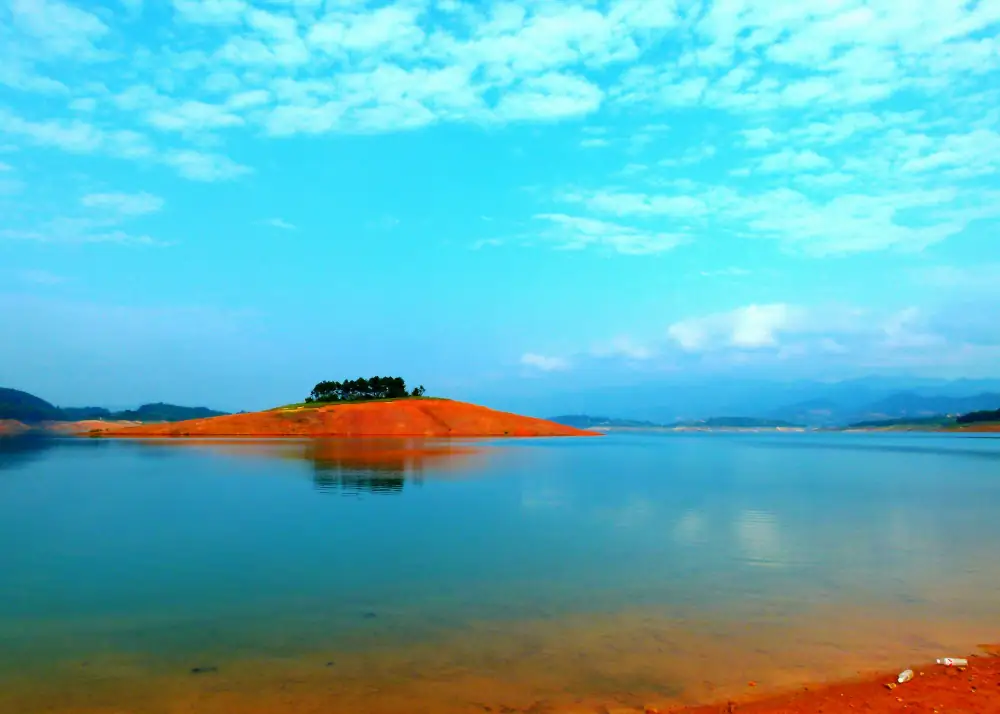
Guangxi’s subtropical capital has a pleasant year-round climate and is gateway to the stunning Detian Waterfall and the Vietnam border.
Qingxiu Mountain (青秀山)
A forested hillside park directly within Nanning city limits — the best accessible urban green space in South China. Famous for its extraordinary Dracaena (Dragon Tree) garden with specimens up to 500 years old, and the Zhuang ethnic village exhibition area.
Nanning International Folk Customs Center (邕城老街)
Traditional Zhuang architecture in a restored old town setting; good for understanding Guangxi’s ethnic minority cultural context before heading to more remote areas.
Zhuang Ethnic Food
Nanning is the capital of Zhuang food culture:
- Laoyou (老友粉) — Nanning’s signature noodle dish; fermented black bean broth with pork, fried tofu, and chilli. The most iconic breakfast dish in Guangxi.
- Luosifen (螺蛳粉) — though usually associated with Liuzhou (2 hours east), snail rice noodles are available everywhere. The deliberately stinky fermented bamboo smell is an acquired taste widely loved.
- Zhuang sticky rice cakes (壮族糍粑) — various forms of glutinous rice preparations
Detian Transnational Waterfall (德天跨国大瀑布)
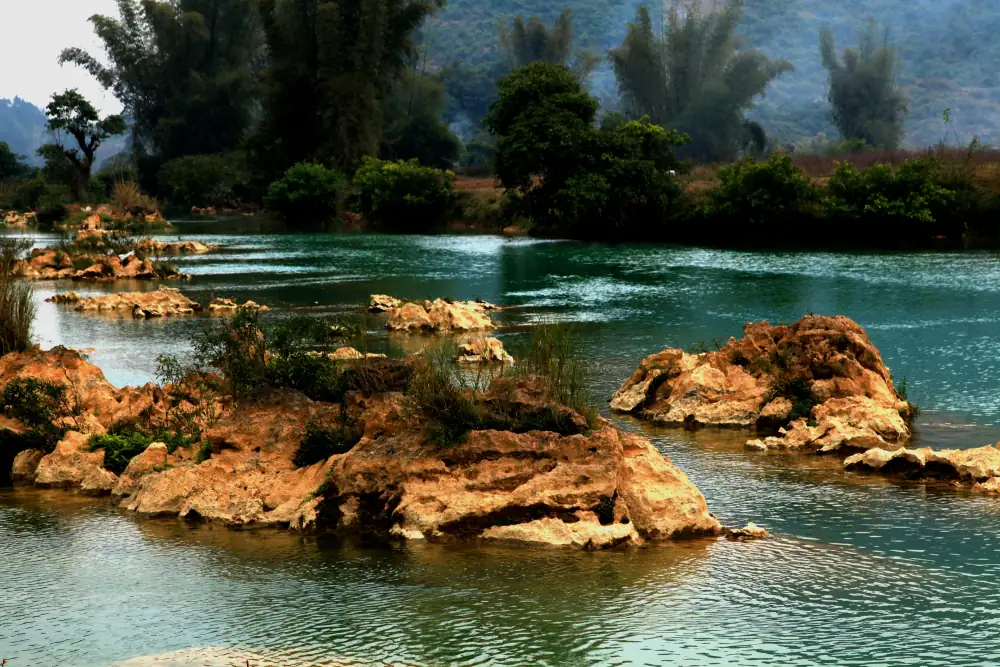
Asia’s largest transnational waterfall — the Guichun River drops over a series of limestone steps at the China-Vietnam border, with Vietnam on one side and China on the other. The falls are 208 metres wide (wider than they are tall) and are most spectacular during the rainy season (May–September).
Unique experience: Bamboo raft trips cross into Vietnamese waters at the base of the falls — you can buy items from Vietnamese vendors on the water. International passport required.
Entry: ¥80. 3 hours from Nanning by bus via Chongzuo.
Hua Shan Cliff Murals (花山岩画)
UNESCO World Heritage Site (2016) — spectacular Zhuang people’s bronze-age paintings on vertical limestone cliffs above the Zuojiang River. Over 1,900 red ochre figures, animals, and symbols painted between 500 BC–200 AD on cliff faces 25–100 metres above the river level.
The most extraordinary aspect: how did the Zhuang painters access vertical cliff faces above deep water to create murals over 40 metres across? The technology used remains uncertain.
Access: Boat tour from Chongzuo (宁明) along the Zuojiang River; cliffs viewed from the water.
Beihai (北海) and Silver Beach
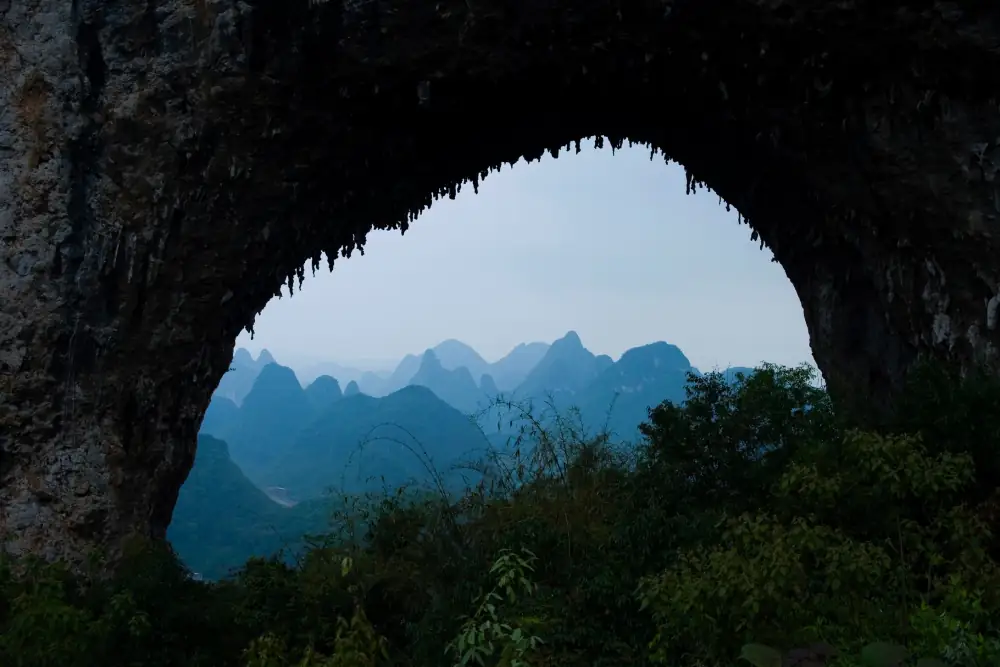
Guangxi’s coast faces the Beibu Gulf — less developed than Hainan but with excellent beaches.
Silver Beach (银滩) — 24km of fine white sand near Beihai city; one of China’s longest continuous beaches. Uncrowded except during summer weekends.
Beihai Old Street (北海老街) — 1.44km of colonial-era commercial architecture from the late 19th century; excellent for photography and Cantonese-Guangxi fusion food.
Weizhou Island (涠洲岛) — China’s youngest volcanic island, formed only 5 million years ago; basalt columns, coral reefs, and whale shark seasonal sightings (March–April). 3-hour ferry from Beihai.
Practical Info
Nanning is well-connected: 3.5 hours high-speed from Guangzhou, 2 hours from Guiyang, 2.5 hours from Guilin. Nanning Wuxu International Airport has direct flights from major cities.
Vietnam Border: Several crossing points for onward travel to Vietnam (Hanoi via Dongxing–Mong Cai or Youyi Pass–Dong Dang).