
Table of contents
Open Table of contents
The Danxia Landscape
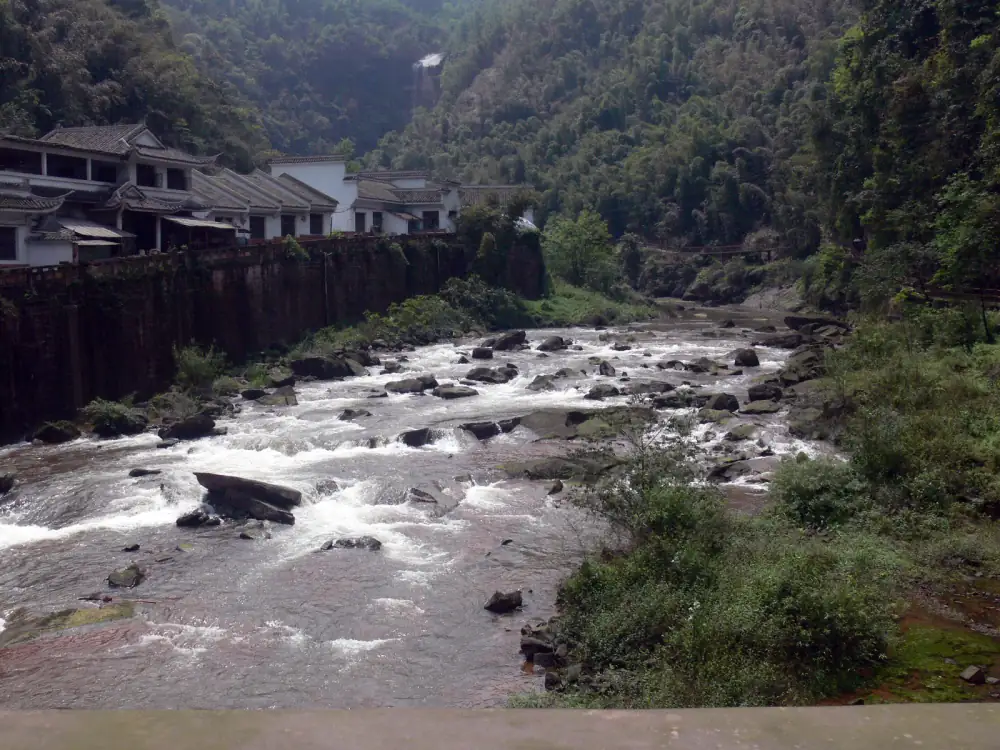
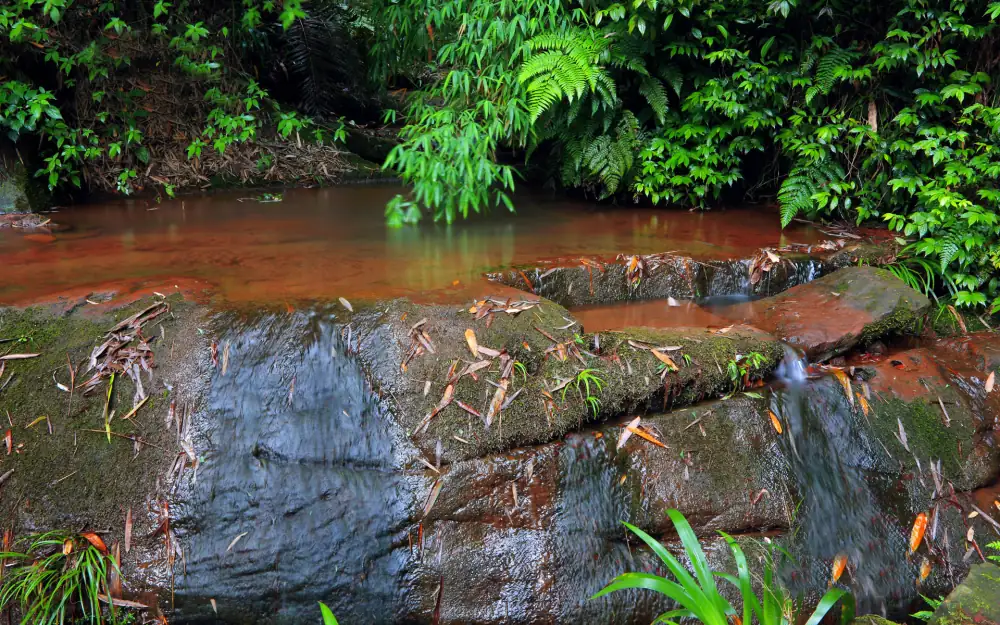
Danxia is a type of landscape formed from reddish sandstone that has been eroded into cliffs, towers, ravines, and cave systems over millions of years. Chishui’s Danxia is particularly impressive because the formations are still active — the river continues to erode them, creating new cliff faces and exposing fresh red rock. The color is extraordinary: crimson, rust, orange, occasionally purple depending on mineral content and light.
The UNESCO designation covers the Chishui Danxia area as part of a six-site Chinese Danxia cluster. Chishui’s specific contribution to the site is the “humid Danxia” formation — Danxia landscapes in a subtropical environment, creating the unusual combination of red rock cliffs draped in lush green vegetation.
Major Scenic Areas
Sidonggou Waterfall Area (四洞沟)
The best single hike in the Chishui area. A 6km trail (one-way, about 3 hours) follows a river valley uphill through bamboo groves, passing four waterfalls of increasing size and drama:
- Moshui Tan Waterfall (抹水潭瀑布): 18m wide, 8m drop — intimate and delicate
- Shui Lian Dong Waterfall (水帘洞瀑布): The water falls across the entrance of a cave, creating a “water curtain” effect. You can walk behind the falls.
- Feiyun Pu Waterfall (飞云瀑): A larger curtain fall, 60m high, 5m drop
- Sidonggou Main Waterfall (大瀑布): 72m wide, spectacular multi-tier cascade through a bamboo-fringed ravine
The trail quality is good — paved stone path most of the way, with some steps. Manageable for most fitness levels. Take the bus (from Chishui town center, ¥8) or taxi (¥25) to the trailhead.
Entry fee: ¥80/person. Open 8am–6pm.
Chishui Grand Waterfall (赤水大瀑布)
One of the largest waterfalls in China by water volume — 76m high, 80m wide. Located 27km from Chishui city. The approach involves an interesting drive through red-rock gorge country.
The falls themselves are impressive for sheer power and sound (audible from 500m away). The spray keeps the surrounding vegetation permanently damp and vivid green. A long staircase descends to a viewpoint directly in front of the falls — expect to get wet.
Entry fee: ¥120/person.
Getting there: Organized tours from Chishui or taxi (¥60–80 one way, arrange for driver to wait).
Bamboo Sea Scenic Area (竹海景区)
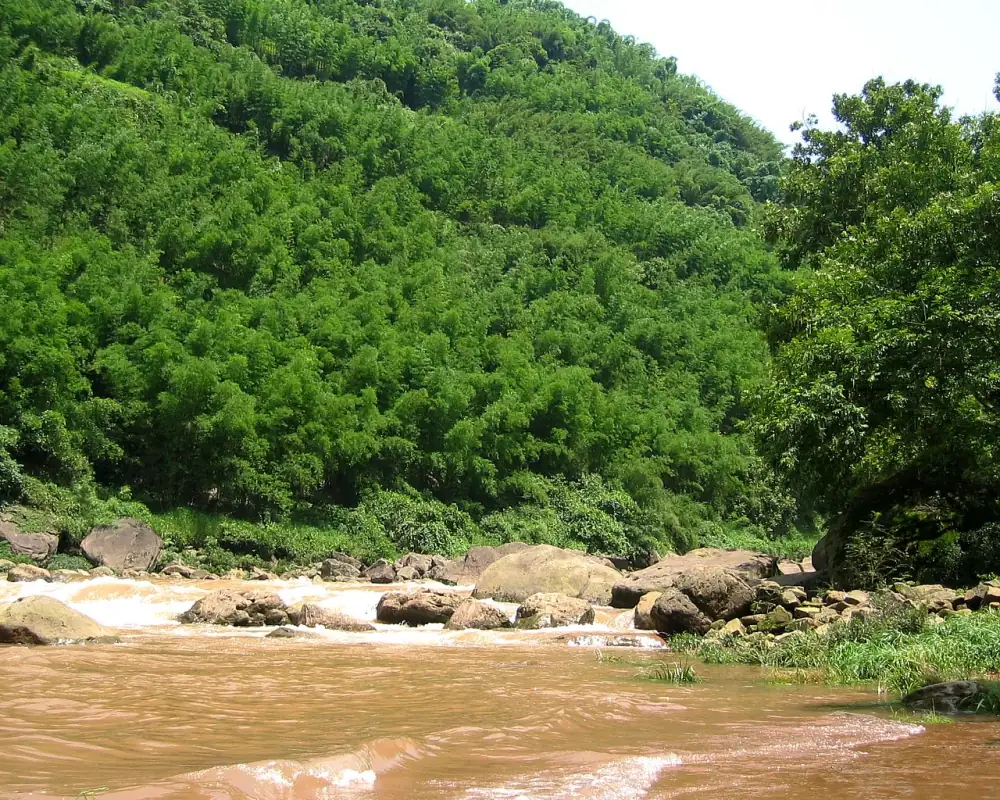
A 4,000-hectare sea of giant bamboo covering the hills around Chishui. The scenery is genuinely cinematic — towering bamboo that blocks out the sky above narrow paths, shafts of light through the canopy, the distinctive percussion of bamboo groves in wind.
Crouching Tiger, Hidden Dragon was filmed in similarly bamboo-heavy Zhejiang province, but Chishui’s bamboo is denser and feels more primordial. Designated viewing platforms give perspectives over the wave-like tops of the bamboo canopy.
Entry fee: ¥60/person. Eco-buses available within the area: ¥40.
Activities:
- Bamboo raft rides on rivers within the scenic area: ¥80/person
- Bamboo shoot harvesting experiences (seasonal, March–May): offered by operators inside the area
- Hiking trails: several marked routes of 2–8km
Foguang Yan Cliff Area (佛光岩)
The most dramatic pure Danxia scenery — a massive overhanging red cliff, roughly 400m wide and 160m high, that forms a natural amphitheater. Waterfalls cascade off the cliff edges. The combination of scale, color, and the way the rock catches light in the late afternoon is unforgettable.
Entry fee: ¥80/person.
Tianyan Scenic Area (天鹅堡)
Less famous than the other areas but with excellent walkable canyon scenery. Trails through narrow red-rock slots with small waterfalls at the base. About 5km of marked trail. ¥60/person.
Getting to Chishui
From Guiyang (贵阳)
The main gateway to Guizhou Province.
By bus: From Guiyang Xingyun Tourist Bus Station (贵阳兴云旅游汽车站) or Jinyang Bus Terminal. Journey: approximately 3.5–4.5 hours depending on route. Tickets: ¥80–100.
By high-speed train + bus: Take high-speed rail to Renhuai (仁怀) and then bus to Chishui. Total: about 2.5 hours.
From Chongqing (重庆)
Chishui is actually closer to Chongqing than Guiyang, making it a popular day-trip or weekend destination for Chongqing residents.
By bus: From Chongqing South Bus Terminal (重庆南站汽车站) or Caiyuanba Bus Station. Journey: approximately 3–3.5 hours. Tickets: ¥60–80.
Day trip from Chongqing: Feasible but exhausting. Better to stay 1–2 nights.
By Car (Self-Drive)
The drive from Chongqing via the expressway (G76 and then G93) takes about 2.5 hours. The drive from Guiyang via G75 takes 3–4 hours. Self-driving gives maximum flexibility for moving between scenic areas.
Getting Around Chishui
The scenic areas are spread across a 30–40km zone around Chishui city. Getting between them requires transport.
Organized tours: Most visitors join package tours from Chishui city that cover multiple scenic areas per day. Full-day tours: ¥150–250/person including transport between areas.
Taxi/private car: Chartering a car for the day costs ¥300–450 and gives more flexibility.
Public buses: Connect the main scenic areas but with less frequency and irregular schedules. Suitable if you’re flexible on timing.
Where to Stay
Most visitors base themselves in Chishui City.
Budget guesthouses (¥80–150/night): Several guesthouses near the bus station and central market. Basic but functional.
Mid-range (¥200–350/night): Chishui’s best option is the Chishui River Landscape Hotel (赤水河景酒店) or similar, with mountain or river views. From ¥220/night.
Bamboo-themed guesthouses: Several guesthouses inside or near the Bamboo Sea Scenic Area offer accommodation surrounded by bamboo — atmospheric and reasonably priced at ¥150–250/night. Best for photographers who want early morning access.
Food in Chishui
The local cuisine is influenced by both Guizhou’s chilies-and-sour tradition and Sichuan’s mala flavors, creating a distinctive Chishui style.
Chishui Bamboo Shoot Dishes (竹笋菜系): The local bamboo provides exceptional fresh and preserved shoots. Stir-fried bamboo shoot with Chishui cured pork (腊肉炒竹笋) is a simple dish that’s addictive.
Mao Tofu (毛豆腐): Marinated tofu with a fermented coating, grilled or fried. ¥10–15 per portion at market stalls.
Chishui Spiced Duck (赤水风味鸭): Slow-braised duck with local spices and preserved vegetables. ¥35–50 at local restaurants.
Red Water Fish (赤水鱼): Fresh river fish from the Chishui River, steamed or braised. The fish here have a distinctive flavor from the river’s mineral content. ¥60–100 depending on size.
The central food market (农贸市场) near the old town is excellent for breakfast — noodles, fried dough, local pickles from about 6:30am.
Best Time to Visit
Spring (March–May):
- March: Wild azalea flowers on the Danxia cliffs create spectacular pink-against-red color combinations
- April: Peak spring green of the bamboo, waterfalls full from spring rains
- May: Bamboo shoot season — fresh shoots available at every restaurant
Summer (June–August):
- Hottest and most humid. Waterfalls at maximum flow after heavy rains.
- Spectacular thunderstorm light on the red rocks
- The bamboo is densest and most vivid green
Autumn (September–November):
- The most pleasant season to visit — cooler temperatures, clear skies
- Reduced crowds after China’s National Day week
- The bamboo sea in autumn shows subtle golden tones
Winter (December–February):
- Cold (5–10°C), occasionally frosty
- Dramatically reduced visitors
- The waterfalls may partially freeze in cold snaps
Practical Tips
Budget: ¥400–600/day per person covers accommodation, meals, transport, and entry fees across 2–3 scenic areas. Budget ¥800–1,000 if you’re doing all major scenic areas.
Rain gear: Essential. The subtropical climate means rain can fall at any time. A good rain jacket or umbrella is mandatory.
Footwear: Trails involve some wet stone and mud. Hiking shoes with grip are much better than regular sneakers. The Sidonggou waterfalls trail is particularly slippery near the main falls.
Combination ticket: A Chishui Area Combined Ticket (赤水联票) covers multiple scenic areas at a discounted rate — check the current price at the tourism bureau office in the city center. In 2026, approximately ¥300 covers the major four scenic areas.
Chishui is genuinely off the radar for most international travelers, which is your gain. The red rock landscape, the bamboo immersion, and the waterfalls are all extraordinary, and you’ll experience them without the crushing crowds that show up at China’s better-known natural attractions.