
Jiuzhaigou Valley (九寨沟) and Huanglong Scenic Area (黄龙景区) are two UNESCO World Heritage Sites in northern Sichuan that sit 85 km apart at altitudes of 2,000–3,400m in the Minshan mountains. Both are famous for their extraordinary colored lakes — caused by calcium carbonate deposits from the limestone geology tinting the water vivid blues, greens and turquoises. Combining both in a single trip (typically 4–6 days) is the standard approach for serious visitors.
Jiuzhaigou vs Huanglong: What’s Different
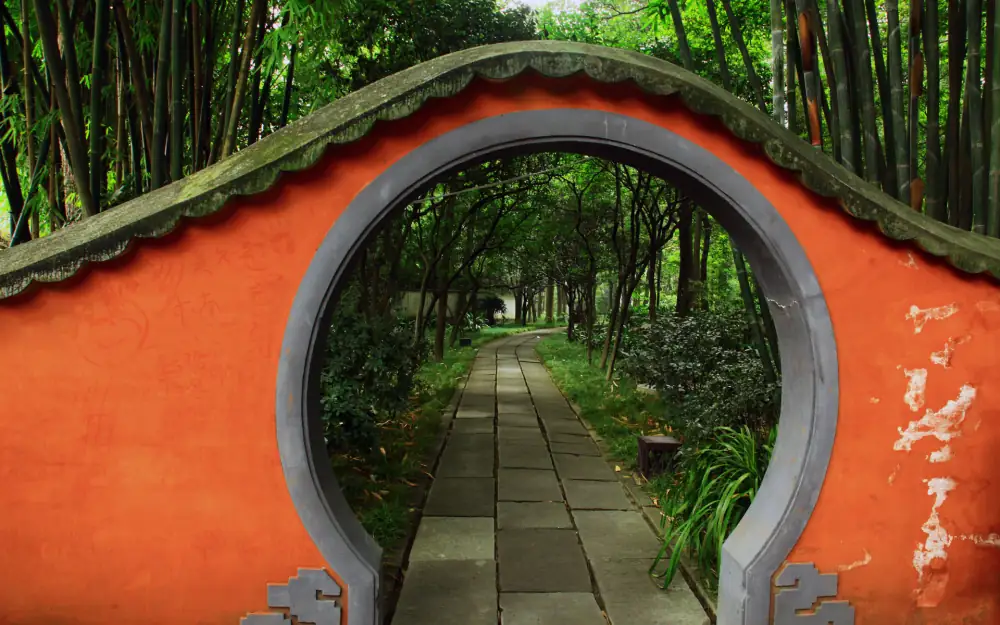
Jiuzhaigou: A valley system with 114 lakes connected by waterfalls and rivers, surrounded by forested peaks with autumn foliage in October. The valley floor contains Ti and Tibetan minority villages. More accessible, more famous, larger visitor numbers.
Huanglong: A high-altitude mountain valley running from 3,155m to 3,576m, centered on a continuous travertine terrace system — calcium carbonate platforms filled with colored pools forming a 3.5 km “golden dragon” pattern visible from above. More demanding physically (significant altitude effect above 3,500m); smaller in scale but arguable more unusual visually.
Both sites require visitor quotas and advance booking. Both are at their most spectacular in autumn (September–November) but are beautiful in any season with different qualities.
The Combined Route
5-Day Plan
Day 1: Fly into Jiuhuang Airport (Jiuzhaigou Huanglong Airport, JZH) or drive from Chengdu (9 hours via Minshan highway). Arrive and acclimatize at 3,000m altitude.
Day 2: Full day in Jiuzhaigou Valley. Start at the main valley entrance at opening time (07:00 in peak season). Take the shuttle bus up to Primeval Forest (原始森林) at the valley head and walk down through:
- Arrow Bamboo Lake (箭竹海)
- Panda Lake (熊猫海)
- Five Flower Lake (五花海) — the most photographed lake; different colors visible simultaneously
- Pearl Shoal Waterfall (珍珠滩瀑布) — wide, powerful fall
- Nuorilang Waterfall (诺日朗瀑布) — the widest high-altitude waterfall in China Total walking: 10–15 km. Full day.
Day 3: Return to Jiuzhaigou for the Zechawa Valley or Shuzheng Valley at different light; or drive toward Huanglong (2–2.5 hours).
Day 4: Full day at Huanglong. The main route ascends 3.5 km from the lower entrance (3,155m) to the Five-Color Pond (五彩池) at 3,576m — the highest and most remarkable concentration of colored pools. The ascent takes 2.5–3 hours; the descent 1.5–2 hours. The altitude is the main challenge — many visitors experience headaches and shortness of breath. Take it slowly.
Day 5: Return to Chengdu or fly from Jiuhuang Airport.
Altitude and Health
Both sites involve significant altitude:
- Jiuzhaigou valley floor: 2,000–2,500m
- Jiuzhaigou upper valley: 2,800–3,100m
- Huanglong lower entrance: 3,155m
- Huanglong Five-Color Pond: 3,576m
Altitude sickness (高原反应): Common above 3,000m. Symptoms: headache, nausea, fatigue, shortness of breath. Most visitors to Jiuzhaigou have minimal issues; Huanglong’s upper section produces mild altitude effects in the majority of visitors.
Prevention:
- Spend the first day resting and acclimatizing; avoid strenuous exercise
- Stay hydrated (drink 3L water per day)
- Avoid alcohol for 48 hours before and during the high-altitude sections
- Consider acetazolamide (Diamox) — consult your doctor before the trip
- Oxygen supplements (便携式氧气罐): Available at pharmacies in Jiuzhaigou and Huanglong for ¥20–40; many visitors use them prophylactically at the Huanglong summit section
Best Season
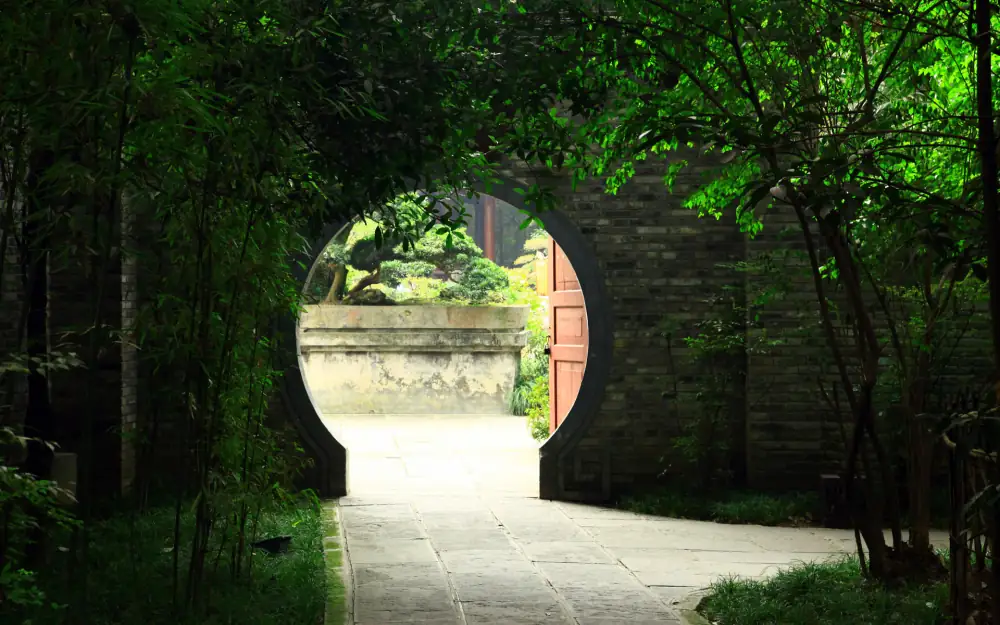
Autumn (late September – early November): The universally recommended best season. At Jiuzhaigou, the deciduous trees turn red, gold and orange — the colored foliage reflects in the colored lake water creating the most spectacular combination of autumn colors over turquoise water. The light is clearest of the year. October is very crowded (National Golden Week); late September and early November are better.
Winter (December–February): Jiuzhaigou partially closes for ice conservation; check current policy. Huanglong is accessible but some areas ice over. The frozen waterfalls have their own character. Very few visitors.
Spring (April–May): Snow still on the peaks; water levels high from snowmelt; the waterfalls are most powerful. Fewer crowds than autumn.
Summer (June–August): The most crowded season; children on school holidays; the mountains are green but the colored lakes are slightly less brilliant than in autumn.
Booking
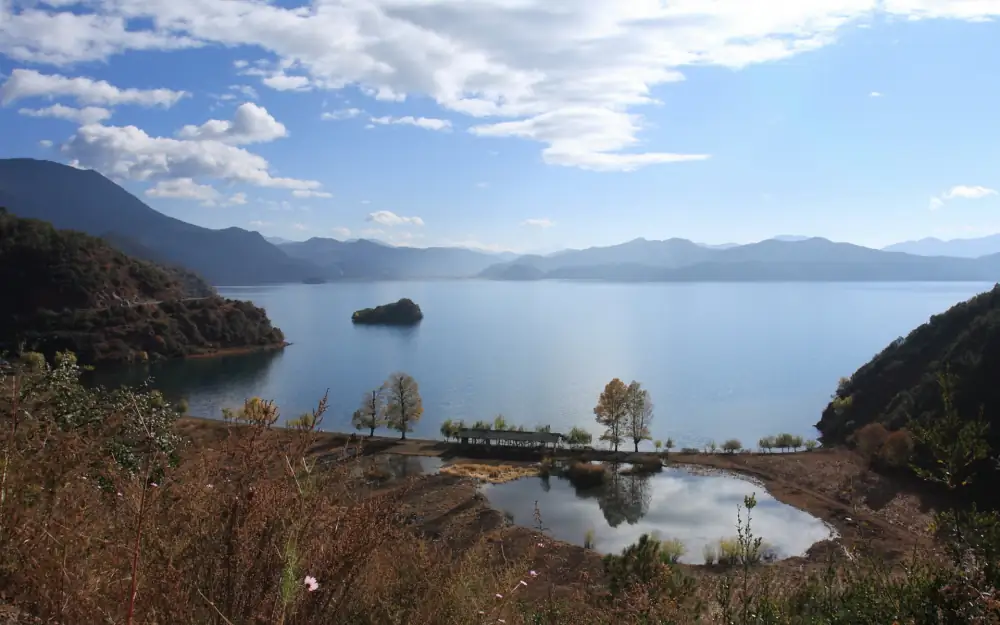
Advance reservation essential: Both sites require online ticket purchase through China’s national scenic spot reservation system. Maximum daily visitor quotas mean tickets sell out weeks in advance for peak autumn dates. Book at minimum 30 days ahead; 60 days for October.
Jiuzhaigou ticket: ¥169 (standard season); ¥180 (peak); plus ¥90 for internal shuttle bus
Huanglong ticket: ¥200 (standard); ¥220 (peak)
Where to book: jiuzhaigou.net for Jiuzhaigou; huanglong.com for Huanglong. Both sites have English language options for foreign passport registration.
Getting There
Flying: Jiuhuang Airport (JZH) is the most convenient for the combined trip. Direct flights from Chengdu (40 minutes, ¥300–600), Beijing, Shanghai and other major cities. The airport is at 3,450m altitude — you’re already altitude-adapted from landing.
Flying caveats: The mountain airport frequently has weather delays and cancellations (fog, crosswinds). Budget an extra day for delays if you have a tight connection. In peak season, delays of 3–6 hours are common.
Driving from Chengdu: 9 hours via National Highway; 6 hours via the recently improved Minshan highway. Dramatic scenery including the Zitong Ancient Road section. Self-drive or hired driver from Chengdu.
Shuttle bus from Chengdu: Organized buses from Chengdu Xinnanmen Bus Terminal; 7–8 hours. Budget travelers’ option; not comfortable for the full round trip.
Where to Stay
Jiuzhaigou village (九寨沟沟口): Wide range of accommodation (¥200–2,000/night); all hotels are below the valley entrance. International brands (Sheraton, InterContinental) and local guesthouses both available.
Songpan (松潘) town: A charming Tibetan-style town 90 minutes from the valley; reasonable base for Huanglong day trip. Good for experiencing local life; limited international hotel options but excellent guesthouses.
The combination of Jiuzhaigou and Huanglong represents one of the great natural travel experiences in China — two UNESCO sites that look unlike anything else on Earth, in landscape so dramatic that even the travel is an experience. The altitude demands respect; the visual reward is commensurate.