
Table of contents
Open Table of contents
Bifengxia Giant Panda Base (碧峰峡大熊猫基地)

The China Conservation and Research Centre for the Giant Panda’s Bifengxia base, located in a narrow river gorge 15 km north of Ya’an city, is the sister facility to the famous Chengdu Research Base. The Bifengxia base is actually larger and arguably better for visitors — the enclosures are more spacious, the gorge setting is more dramatic, and it receives fewer tourists than the Chengdu facility.
The base houses about 30 pandas and is also home to giant panda reintroduction programs — some bears here are trained for eventual release into the wild, a program that has made significant progress since 2010.
Visiting: The pandas are most active 08:00–10:00 when feeding. Arrive early.
Volunteer programs: The base runs a popular one-day panda keeper experience (¥1,800–¥2,800, $252–$392) where participants clean enclosures, prepare food and get supervised close contact with pandas. Book months in advance via the official website.
Tickets: ¥80 ($11). Open daily 08:00–17:30.
Transport: Bus from Ya’an city to Bifengxia, 30 minutes, ¥10–¥15 ($1.4–$2).
Bifengxia Scenic Area (碧峰峡景区)
Beyond the panda base, the Bifengxia gorge itself is a nature reserve with hiking trails, waterfalls and subtropical forest. The main canyon walk (about 6 km round trip) follows a river through narrow ravines with vertical cliffs, multiple waterfalls and dense vegetation. This is genuine temperate rainforest — the same forest ecosystem that supports wild pandas.
Tickets: ¥80 ($11), separate from the panda base. A combined ticket with the panda base is available for ¥140 ($20).
Erlang Mountain and the Tibet Expressway
The G318 — the most famous road in China, running from Shanghai to Tibet — crosses Ya’an and climbs through the mountains to the west. The section from Ya’an to Kangding (see separate Kangding guide) passes through Erlang Mountain (二郎山), one of the most dramatic mountain passes in Sichuan.
The old Erlang Mountain road (now largely replaced by a tunnel for motor vehicles) offers a hiking trail with spectacular views over the Ya’an river valley and the Tibetan Plateau rising to the west. This is an excellent half-day hike accessible from Ya’an: take a taxi to the old road trailhead (¥30–¥50) and walk the mountain road for 3–4 hours.
The Erlang Mountain Tunnel (二郎山隧道), at 4.2 km the main vehicle route, has a cultural significance in Chinese popular memory — a famous 1980s folk song celebrated the hardship of crossing the mountain before the tunnel was built.
Tea Horse Road (茶马古道) Heritage
Ya’an was historically one of the most important points on the Tea Horse Road — the ancient trade route connecting Yunnan and Sichuan with Tibet and Central Asia via horse-borne loads of compressed tea. The Ya’an-Kangding section was one of the most demanding stretches: human and horse porters carried loads weighing 70–150 kg over Erlang Mountain into the Tibetan plateau.
Shanglijiang Tea Town (上里古镇)
One of Sichuan’s most charming small ancient towns, Shanglijiang (usually transliterated “Shangli”) sits 26 km north of Ya’an. The two-street Ming and Qing Dynasty trading town on the tea-horse route retains its original stone bridges, teahouses and merchant house architecture almost intact.
The town is less visited than Luodai or Huanglongxi near Chengdu, and has a more authentic lived-in atmosphere. Walk the 2 km heritage trail, drink tea in a riverside teahouse (¥10–¥20 for a pot) and try the local smoked tofu.
No entrance fee for the town; parking and tourism facilities available.
Ya’an Tea Museum (雅安藏茶文化博物馆)
The museum dedicated to Ya’an’s distinctive “Tibetan tea” (藏茶) tradition — the compressed dark tea that was traded into Tibet and remains central to Tibetan daily life (butter tea uses similar compressed dark tea as its base). Well-curated with English labelling; the tasting room allows comparison between different grades.
Tickets: ¥30 ($4).
Lushan Earthquake Memorial Area
The 2013 Lushan earthquake (magnitude 7.0) caused significant destruction in Ya’an Prefecture. The earthquake memorial in Lushan County preserves the ruins of several buildings alongside a moving account of the recovery. This is a sombre but important destination for understanding how contemporary Sichuan communities rebuild after major disasters.
Ya’an Food
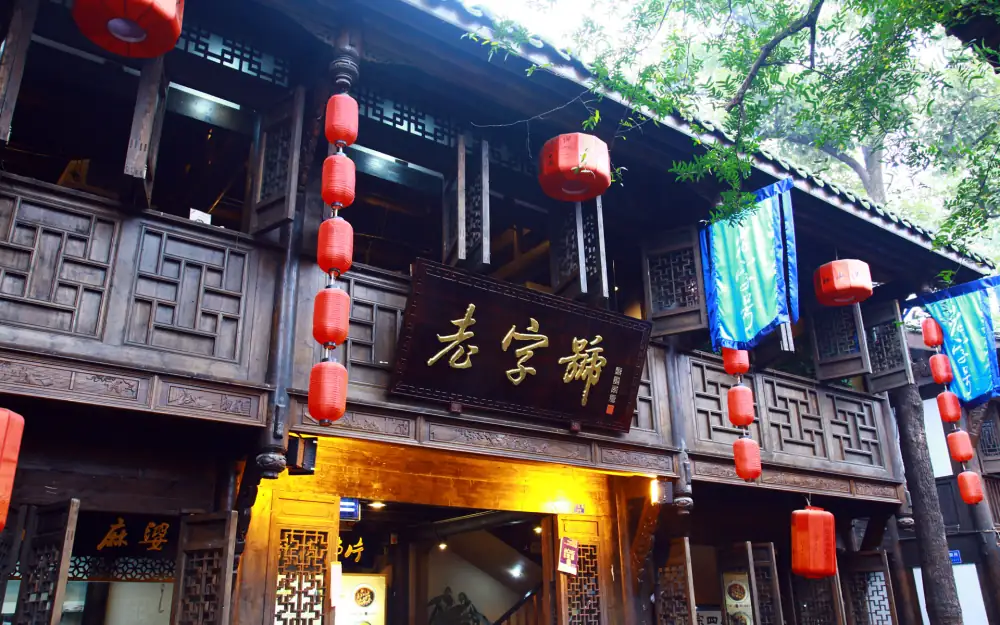
The city’s exceptional rainfall creates an environment for wild mushrooms, bamboo shoots and freshwater fish that make the local cuisine outstanding by any standard.
Key dishes:
- Tibetan-style smoked pork (藏式腊肉): Preserved over wood smoke; intensely flavoured
- Tangerines (雅安芦柑): Ya’an is famous throughout Sichuan for its citrus
- Bifengxia River fish (碧峰峡溪鱼): Tiny river fish, fried crisp
- Wild mushroom hot pot: The foothills around Ya’an produce extraordinary wild mushrooms including multiple varieties unavailable elsewhere
Restaurants are concentrated in the city centre around Yucheng District; a good dinner for two runs ¥80–¥150 ($11–$21).
Getting to Ya’an
From Chengdu
High-speed rail (recommended): Chengdu East to Ya’an takes approximately 1 hour; tickets ¥55–¥85 ($8–$12). Frequent services throughout the day.
Bus: Long-distance buses from Chengdu’s West Bus Terminal to Ya’an, 1.5–2 hours, ¥45–¥65 ($6–$9). Less frequent than rail.
Self-drive: Highway G108 and G318 connect Ya’an to Chengdu; about 1.5 hours in normal traffic. Driving onward to Kangding (3 hours) or Luding (2 hours) makes a self-drive practical.
Where to Stay
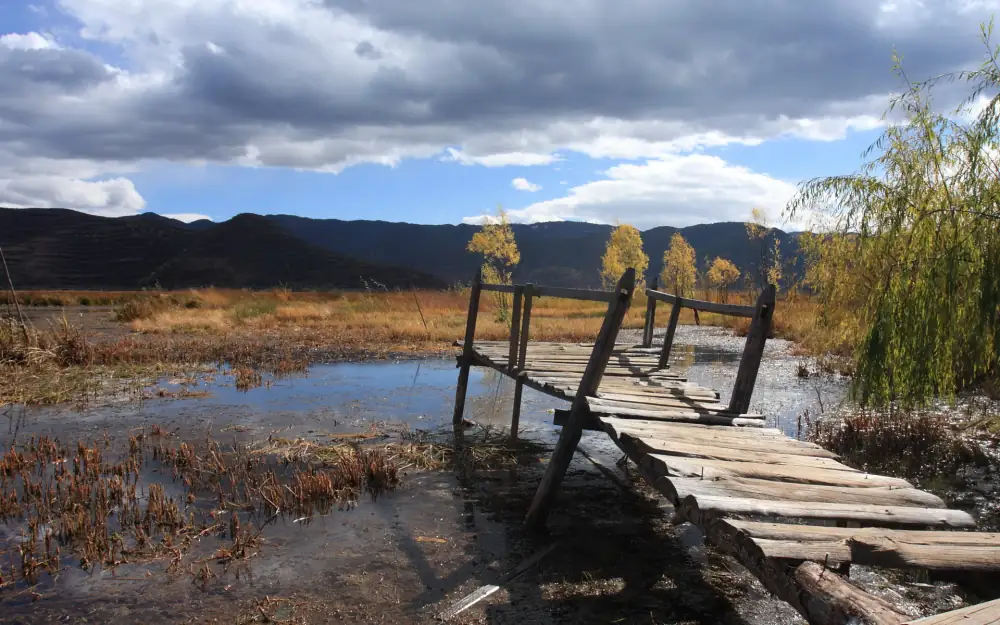
Ya’an’s accommodation is relatively modest but functional. The best options are clustered in the central Yucheng District.
Budget (¥100–¥200 / $14–$28): Several budget hotels near the train station. Hanting Express Ya’an is clean and reliable.
Mid-range (¥250–¥400 / $35–$56): Ya’an International Hotel is the standard recommendation for mid-range comfort.
Guesthouses in Shanglijiang: For an atmospheric alternative, stay overnight in the ancient town (¥120–¥250/night, $17–$35).
Best Time to Visit
Spring (March–May): New bamboo shoots appear (important for panda feeding), temperatures are mild, and the mountains are beginning to green after winter. Good panda viewing.
Autumn (September–October): The clearest skies of the year; excellent visibility on Erlang Mountain. Mushroom and citrus harvest season.
Year-round for pandas: The Bifengxia base is open year-round. Panda cubs are typically born in August and visible from October onwards.
Rain: Ya’an’s rainfall is distributed throughout the year with a peak in summer. A light rain jacket is always appropriate. The mist this creates is atmospheric rather than oppressive.
Combining Ya’an with Nearby Destinations
Ya’an sits at the gateway to some of Sichuan’s most spectacular destinations:
- Kangding (2–3 hours west): The gateway to the Tibetan Plateau and the Gongga Mountains
- Hailuogou Glacier (3–4 hours west via Luding): A massive glacier descending to sub-tropical valley forest
- Chengdu (1 hour east): Obviously, the major regional city
A natural route: Chengdu → Ya’an (1 night, pandas) → Luding → Hailuogou (1 night) → Kangding (2 nights) → return Chengdu via high-speed rail from Kangding.
Final Word
Ya’an is a working city with a working population; it’s not packaged for tourism. That’s exactly its appeal. Come for the pandas — you’ll likely have more space and time with them than at Chengdu’s base — stay for the mountains, the tea history and the rainfall that makes everything green.