
Table of contents
Open Table of contents
Day 1: Gulangyu Island

Getting to Gulangyu
Gulangyu Island (鼓浪屿) is a 5-minute ferry ride from Xiamen’s Lundu Ferry Terminal (轮渡码头).
Ferry tickets:
- For tourists: ¥35 return (includes tourist ferry service and return)
- Book online through the Gulangyu official WeChat mini-program in advance, especially for weekends and holidays
- Ferries run continuously during daylight hours; first ferry around 7am
The island is car-free — no motorized vehicles other than emergency services. This fundamental quality shapes everything about the experience.
Morning Walk: Colonial Architecture
Gulangyu received UNESCO World Heritage status in 2017 as an “Historic International Settlement.” The architectural record of the island spans late 19th century to early 20th century — consulate buildings, merchant villas, churches, and eventually the “Xiamen-style” hybrid architecture that local wealthy Chinese developed combining Western exterior facades with Chinese interior spatial organization.
The best architecture walk follows the inner lanes:
- Sunlight Rock area (日光岩): The island’s highest point (92m) with views of Xiamen and the Taiwan Strait. Take the wooden stairs up. Entry: ¥60.
- Shuzhuang Garden (菽庄花园): A late Qing private garden built by a Manila-based Fujian merchant. Beautiful pavilions over the sea, piano museum (Gulangyu became famous as the “piano island” for its concentration of piano players and instruments — one piano for every 20–30 residents in the early 20th century). Entry: ¥40.
- Piano Museum (钢琴博物馆): Part of Shuzhuang Garden, housing antique pianos from around the world. Unique exhibit.
- Ying Lu (英雄山路) and surrounding lanes: The most atmospheric streets, away from the main tourist circulation. 20–30 minute detour from the main path.
Lunch: Seafood on Gulangyu (12:30pm)
The tourist restaurants on Gulangyu are overpriced but the quality is reasonable for location. For better value:
- Walk slightly away from the main ferry arrival area toward the northeastern residential section
- Look for family restaurants (家常菜馆) rather than seafood tourist traps
- Order: Fresh steamed oysters (¥30–50/dozen), stir-fried clams with basil (¥35–45), fish noodles (鱼面, ¥20–25)
Afternoon: Quieter Island Exploration (2:00–5:30pm)
The northwestern residential section of Gulangyu, away from the main tourist circuit, reveals the island’s actual community. Lanes of old colonial houses, private residences with gardens, elderly residents sitting outside. The contrast with the tourist-dense arrival area is striking.
Gangzai Hou (港仔后) Beach: The island’s main beach, on the northeastern shore. Not exceptional as beaches go but pleasant for an afternoon hour.
Tianwei Tong Organ Museum: A private collection of historical pipe organs in a colonial villa. Unique and less visited.
Evening: Return Ferry + Zhongshan Road Night Market (6:30pm)
Return to Xiamen by ferry. Walk along Zhongshan Road (中山路), Xiamen’s traditional commercial street and the best place for Fujian street food in the evening.
Dinner around Zhongshan Road:
- Sha Cha noodles (沙茶面): A Xiamen invention — noodles in a peanut-and-seafood broth with garnishes. ¥10–18. The quintessential Xiamen street food.
- Oyster vermicelli (海蛎煎): Thin rice vermicelli with fresh oysters and fermented black bean sauce
- Peanut soup (花生汤): Thick sweet peanut soup with glutinous rice balls. A Minnan dessert essential.
Day 2: Xiamen Island Highlights — South Putuo Temple and Xiamen University
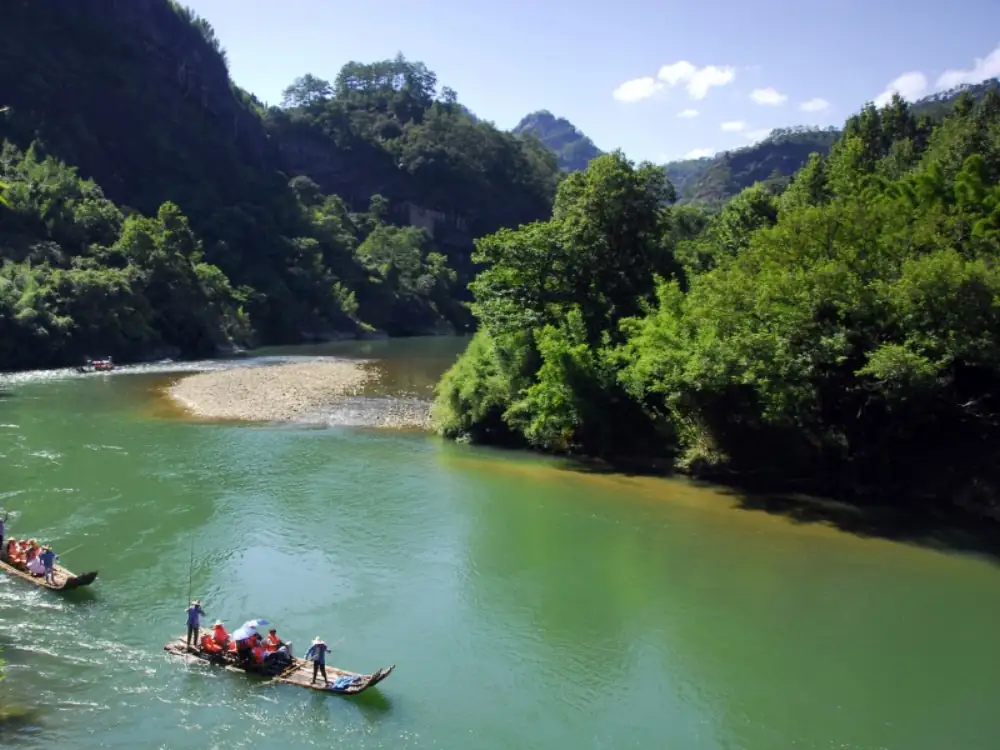
Morning: South Putuo Temple (南普陀寺) (8:30–11:00am)
One of China’s most active Buddhist temples — a Song Dynasty foundation that has been continuously active since the 10th century. The current buildings are mostly modern (20th century reconstructions) but the spiritual vitality is authentic. The temple sits against a wooded granite hillside, and hiking paths lead up through the rock formations above.
Entry: Free (donations welcomed). Open from 7am.
What to see:
- Main temple hall with its three-dimensional murals
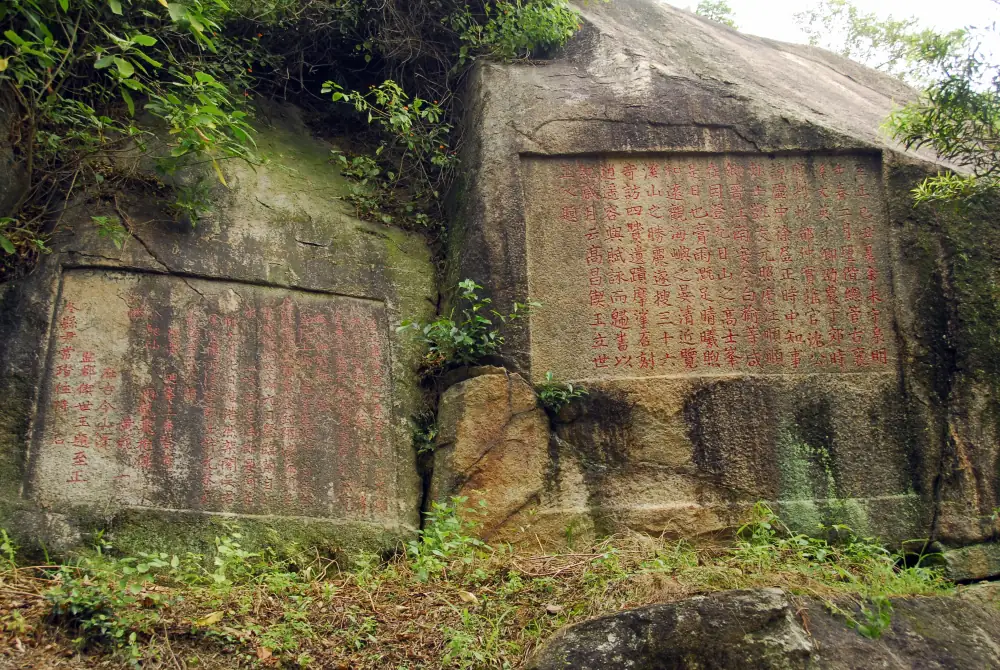
- The rock inscriptions on the hillside behind the temple
- The vegetarian restaurant: South Putuo’s vegetarian buffet (月菜厅) is famous — Buddhist vegetarian cooking at ¥25–35/person. Best at lunch; opens at 11am.
Incense and ceremony: The temple is a working religious institution. The atmosphere of incense smoke, constant flower and incense offering, and monks conducting ceremonies makes it much more authentic than purely tourist-facing temples.
Late Morning: Xiamen University (厦门大学) (11:00am–12:30pm)
Xiamen University campus, immediately adjacent to South Putuo Temple, is routinely voted China’s most beautiful university campus. The main buildings (1920s Neo-Minnan style, designed by Chinese-American architect Chen Jiageng) are striking, the gardens are well-maintained, and the Furong Lake campus in particular is gorgeous.
Entry: Free with valid ID shown at the gate. Walk the main axis and around Furong Lake.
The campus cafe area (芙蓉餐厅 area and coffee shops) makes a good lunch stop after the temple vegetarian meal option.
Afternoon: Huandao Road (环岛路) Coastal Walk/Cycle (2:00–5:30pm)
Huandao Road is a 43km coastal road circling the southern half of Xiamen Island — scenic drive or excellent cycling route. Several sections have designated cycling/walking paths with sea views.
Best section: The southwestern shoreline between Guanyinshan Beach (观音山海滨) and Huang Cuo Beach (黄厝海滩) has the most spectacular views of Gulangyu and the open sea.
Bicycle or e-scooter rental: Available near the beach areas. ¥20–30/hour for bicycles; ¥30–50/hour for electric.
Zengcuo’an (曾厝垵): A village-turned-art-district on the southeastern shore. Former fishing village with tight lanes now full of indie cafes, galleries, and boutique guesthouses. Excellent for afternoon coffee and people-watching.
Sunset at Huandao Road Beach
Any of the beaches along the south coast of the island gives excellent sunset views — the sun sets over the Taiwan Strait and the silhouettes of small offshore islands.
Recommended: Huandao Road Guanyinshan area, 6–7pm depending on season. The famous viewing point for “Xiamen characters in the sunset” (厦门字图案).
Dinner: The Zengcuo’an area has excellent dinner restaurants serving contemporary Fujian food alongside more casual local options.
Day 3: Local Xiamen — Siming Old Town, Tulou Day Trip Option
Morning: Siming Old Town (思明) Neighborhood Walk (8:00–11:00am)
The Siming District south of Zhongshan Road and east of the ferry terminal is genuine old Xiamen — not touristified, just the city as it was built. The Xinhua Road (新华路) area and surrounding blocks have traditional Minnan shophouses, morning markets, and the texture of everyday life.
Breakfast: The morning market near Kaiyuan Road (开元路) has excellent local food from 6:30am: fish balls in broth (¥6–8), rice congee (¥8–12), and stewed pig’s feet (猪脚, ¥15–20 — a Fujian breakfast specialty and genuinely delicious).
Late Morning: Gulangyu Museum (if not visited Day 1)
Or: Take the opportunity for a second Gulangyu visit with less schedule pressure — the northeastern residential section in morning is the best experience.
Lunch: Zengcuo’an Area (12:30pm)
If you haven’t eaten here, the village has excellent lunch restaurants serving local seafood at moderate prices.
Afternoon: Day Trip Option — Tulou Earthen Houses
If extending to a 3.5 day visit, the Hakka Tulou earthen roundhouses (土楼) around Nanjing County (南靖, 1.5 hours by bus) or Yongding County (永定, 2.5 hours by bus) are one of China’s most extraordinary architectural experiences. UNESCO-listed, these circular communal buildings house entire extended families within their concentric rings.
Organized day trips from Xiamen: ¥200–350/person including transport and guide. Independent buses from Xiamen Bus Station.
Evening: Dinner at a Proper Xiamen Restaurant
End on a high: The Xiamen Kitchen (厦门厨房) style of restaurant — upscale-casual Fujian cuisine in a relaxed setting — is Xiamen’s best contribution to Chinese dining. Look for restaurants specializing in “创意闽菜” (creative Fujian cuisine) in the Siming or Huli districts.
Essential final dishes:
- Braised pork with preserved vegetables (梅干菜扣肉): ¥45–65
- Fried rice with seafood in a steamed egg custard base (海鲜蛋炒饭): ¥35–45
- Fresh fruit with grass jelly (仙草冻拼鲜果): The local dessert. ¥20–30
Practical Information
Getting to Xiamen:
- From Shanghai Hongqiao: 2.5 hours HSR, ¥200–280
- From Guangzhou South: 2 hours HSR, ¥165–230
- From Quanzhou: 30 minutes HSR, ¥30
- Xiamen Gaoqi International Airport (XMN): Direct flights from all major cities
Getting around:
- Metro Line 1 connects the airport to the ferry terminal and city center
- Base taxi fare: ¥10
- Gulangyu ferry: ¥35 return tourist ticket
Best seasons: October–April (temperatures 15–25°C, clear skies, comfortable humidity). Summer (May–September) is hot and humid but beaches are appealing.
Weather warning: Typhoon season (July–September) can affect Xiamen — watch forecasts.
Accommodation: The most atmospheric accommodation is on Gulangyu itself — boutique guesthouses in converted colonial villas from ¥300–600/night. On the main island, the Siming District and around Zhongshan Road is most convenient, from ¥150/night budget to ¥600+ for boutique options.
Xiamen’s pace is its greatest gift. It moves slowly enough that you can actually see the city rather than just pass through it. Three days here leaves most visitors reluctant to leave.