
Among those who track China’s specialty coffee movement, Xiamen occupies a special position. While Shanghai has more cafes and Beijing has more international brands, Xiamen has the highest café density per capita of any major Chinese city — and a local café culture that began developing in the early 2000s, giving it more genuine depth than newer coffee scenes. A combination of factors created this: the city’s long overseas Chinese community (many from Southeast Asian coffee-drinking countries), the warm climate that makes outdoor sitting pleasant nine months of the year, and an aesthetic sensibility shaped by the colonial-era architecture of Gulangyu Island.
Why Xiamen for Coffee?
Historical roots: Fujian has been a tea province for centuries, but the overseas Chinese diaspora from Xiamen (particularly to Southeast Asia — Malaysia, Singapore, Indonesia, Philippines) brought back coffee-drinking habits when they returned or maintained family connections. By the 1990s, Xiamen already had a small independent café scene.
Architectural settings: The unique architecture of Gulangyu Island and the Zhongshan Road area provides settings that cafés elsewhere can’t replicate — colonial-era buildings, narrow stone lanes, sea-view terraces.
Feng Ye and the Third Wave: The third-wave coffee movement arrived in Xiamen earlier than most Chinese cities. Roasters like Manner Coffee’s predecessors and local Xiamen-born specialty cafes have been experimenting with single-origin, direct-trade sourcing for over a decade.
Gulangyu Island Café Scene
Gulangyu (鼓浪屿) — the UNESCO-listed “Piano Island” with its extraordinary colonial architecture — has become one of China’s most café-dense areas. The island has no vehicles; walking between cafes is the entire leisure activity for many visitors.
What to look for: Cafes set in colonial mansions from the late 19th and early 20th century, with high ceilings, wooden floors, shuttered windows opening to sea views. The best of these use the architecture rather than competing with it.
Key characteristics of quality Gulangyu cafes:
- Single-origin pour-over or filter coffee alongside espresso
- House-made cakes (Gulangyu is also famous for its cake culture)
- Sea-facing terraces for the afternoon sunset view
- Local artwork or gallery element
Practical: Gulangyu is reached by ferry from the Xiamen waterfront. Entry involves ferry booking (¥35 day ticket including ferry; ¥70 for night ticket with Sunlight Rock entrance). The island is extremely crowded on weekends — weekday morning visits are dramatically better.
Zhongshan Road (中山路) Area
The pedestrian main street of old Xiamen, lined with South Fujian-style arcade buildings (骑楼 qí lóu — covered walkways at street level). The network of streets behind Zhongshan Road contains some of Xiamen’s most interesting independent cafes in a less touristy setting than Gulangyu.
Zengcuo’an Village (曾厝垵): A former fishing village 5 km from the city center that was converted into a bohemian arts and café district in the 2000s. Still the most concentrated collection of distinctive cafes in the city. Student and creative population; affordable prices; eclectic aesthetics.
Specialty Coffee Roasters and Chains
Manner Coffee: Started in Shanghai but has a significant Xiamen presence. Known for good value, quality espresso in compact spaces. Look for the tiny window-service format.
Time Valley (时间里): A Xiamen-originated café group with multiple locations. One of the earliest specialty coffee focused operators in the city.
Local independent roasters: Several Xiamen roasters source directly from Yunnan (Yunnan’s arabica coffee has improved enormously in the last decade), as well as Ethiopia, Colombia and Panama. Ask at any specialty cafe about their current single-origin offerings.
Nai Bú (那不): Focused on Yunnan single-origin; seasonal offering changes monthly based on harvest. Popular with the coffee professional community.
Tea Houses as Counterpoint
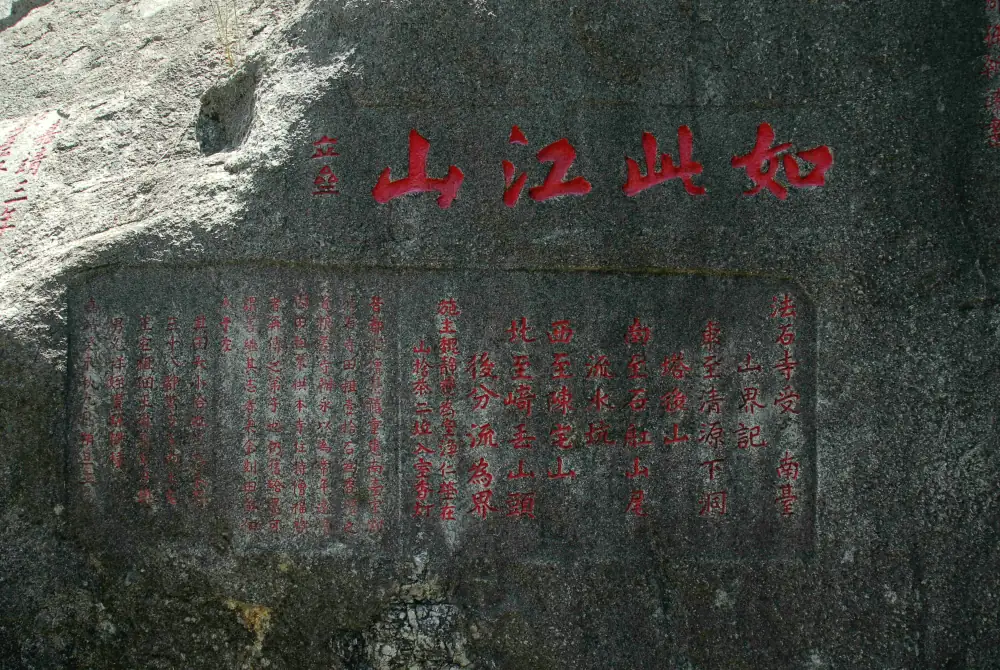
Xiamen is also a gateway to Fujian’s tea culture. The Tieguanyin oolong (铁观音) and Wuyi rock oolongs (岩茶) produced inland from Xiamen are among the world’s finest teas. Traditional tea houses in the old city offer:
- Multi-gongfu style service (repeated small infusions from a gaiwan)
- Tea comparison — tasting multiple grades of the same variety
- Explanation of the differences between spring and autumn harvest, different processing, different growing areas
Pairing coffee and tea on the same trip: Many Xiamen visitors discover that an afternoon in a Gulangyu café and a morning tea house session are complementary rather than contradictory. The café culture and the tea culture coexist comfortably here in a way that reflects Xiamen’s position as a trading city between the Fujian interior and the Pacific world.
Cakes and Pastries
Gulangyu has developed a parallel reputation for cakes, particularly:
Pineapple cake (凤梨酥): Taiwan-influenced pastry with sweet preserved pineapple filling — a must-try and excellent gift.
Mung bean cake (绿豆糕): Classic Fujian confection; refreshing in the heat.
Xiamen style sesame pastry: Thin, crisp, fragrant.
The bakeries and cake shops of Gulangyu are now as famous as the cafes; the two are often combined in the same venue.
Getting There
Xiamen is well-connected by high-speed rail:
- From Fuzhou: 1 hour (¥80–120)
- From Shenzhen: 3 hours (¥200–300)
- From Shanghai Hongqiao: 4 hours (¥300–450)
- From Guangzhou: 3.5 hours (¥200–350)
Flying is competitive for longer distances: Xiamen Gaoqi International Airport has international connections to Southeast Asia, Japan, Korea and Australia.
Xiamen is one of China’s most pleasant cities for a 2–3 day visit — compact enough to explore on foot, warm and subtropical, with a concentrated café and food scene, the extraordinary Gulangyu architecture, and easy day trips to Tulou earthen buildings (90 minutes away). The coffee is exceptional.