
Table of contents
Open Table of contents
Yushu — Tibet Without the Permits
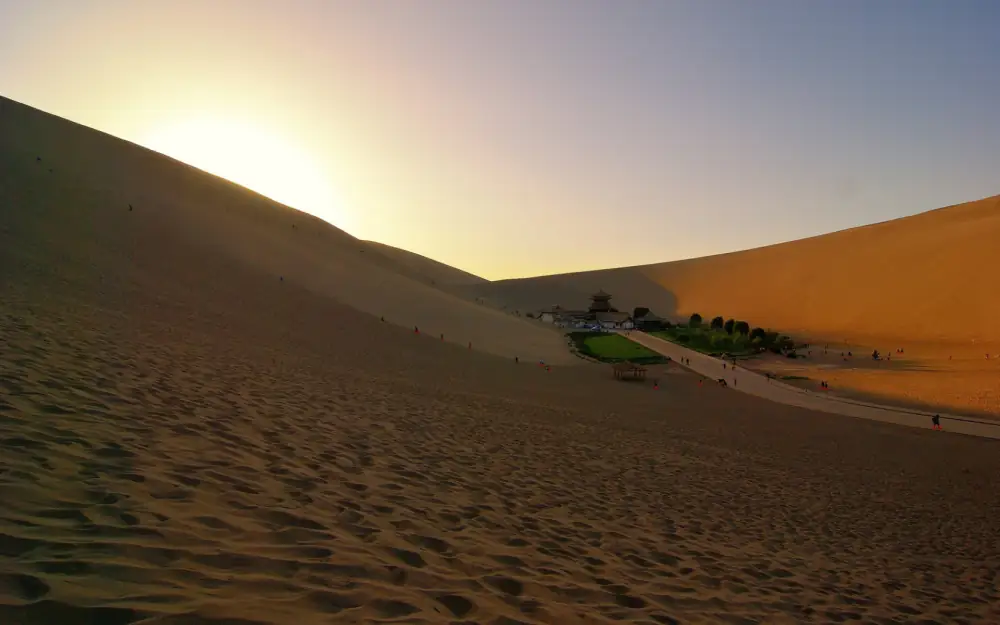
Yushu (玉树, Jyekundo in Tibetan) sits at 3,700 metres on the Qinghai-Tibet Plateau, in a river valley where three of Asia’s great rivers — the Yangtze, Mekong, and Salween — begin their long journeys to the sea. It’s one of the most culturally Tibetan places in China, with a population that is over 95% Tibetan, yet it doesn’t require the special permits needed for the Tibet Autonomous Region. For travellers seeking authentic Tibetan culture without bureaucratic complications, Yushu is unmatched.
I should address the elephant in the room: the 2010 earthquake. On April 14, 2010, a 7.1 magnitude earthquake devastated Yushu, killing nearly 3,000 people and destroying 80% of the town. The rebuilding has been extraordinary — the new Yushu is arguably better planned and constructed than the old one — but the psychological scars remain. What’s remarkable is how the community has channelled its grief into a fierce determination to preserve and celebrate its culture. If anything, Yushu today is more vibrantly Tibetan than it was before the earthquake.
The Jyekundo Horse Festival
The Greatest Show on the Plateau
If you time your visit for late July or early August, you’ll witness the Jyekundo Horse Festival (玉树赛马会) — one of the largest and most spectacular Tibetan cultural events in the world. For three to five days, the grasslands outside Yushu become a vast encampment of tents, and Tibetan nomads from across the region gather to race horses, show off their riding skills, and celebrate their way of life.
The festival has been held for centuries, rooted in the Tibetan tradition of celebrating the harvest season and honouring the horse — the animal most essential to nomadic life. Since the earthquake, the festival has taken on additional significance as a symbol of cultural resilience.
What You’ll See
Horse Racing: The main event. Riders as young as 8 years old race horses bareback across the grassland at terrifying speeds. The races cover distances from 1 km to 10 km, and the atmosphere is electric — thousands of spectators lining the track, screaming encouragement.
Trick Riding: Riders perform extraordinary feats of horsemanship — hanging off the side of galloping horses, picking up objects from the ground at full speed, and standing on the backs of running horses. It’s genuinely death-defying, and the crowd goes absolutely wild.
Traditional Dress: The festival is a fashion show of traditional Tibetan clothing. Women wear their finest jewellery — necklaces of coral, turquoise, and amber that can be worth hundreds of thousands of yuan. Men wear chuba (Tibetan robes) with fox-skin hats and silver swords.
Archery Competitions: Tibetan archery on horseback — riders gallop past targets while firing arrows. The skill level is extraordinary.
Singing and Dancing: Each evening, spontaneous circles of singing and dancing form around the camps. Everyone is welcome to join. The songs are mostly traditional Tibetan folk songs, and the dancing ranges from formal circle dances to exuberant individual performances.
Practical Festival Tips
- Dates: The festival typically runs for 3-5 days in late July or early August. Exact dates vary each year — check with local tourism authorities.
- Accommodation: Book at least one month ahead. During the festival, hotel prices triple. Alternatively, bring a tent and camp with the nomads — this is the more authentic experience.
- Photography: The festival is extraordinarily photogenic. Always ask permission before photographing individuals — a smile and gesture toward your camera usually works. Some people may request a small payment.
- Altitude: At 3,700 metres, take it easy. Don’t rush around, stay hydrated, and be prepared for altitude headaches.
Key Monasteries and Religious Sites
Jiana Mani Stone Pile (嘉那嘛呢石经城)
This is Yushu’s most extraordinary site — a vast pile of mani stones (stones carved with Buddhist mantras) that has been growing for over 300 years. The pile currently contains an estimated 2.5 billion carved stones, making it the largest mani stone pile in the world. It’s not a museum piece — pilgrims continuously add new stones, walking clockwise around the pile while spinning prayer wheels and chanting.
Walking the circuit of the Jiana Mani pile takes about 30-40 minutes. The atmosphere is deeply devotional — you’ll see elderly pilgrims who have traveled for days to add their stone to the pile, and the sound of thousands of people murmuring “Om Mani Padme Hum” is genuinely moving.
Entrance: Free. Open 24 hours, but best visited at dawn or dusk when the light is most beautiful.
Dondrub Ling Monastery (结古寺)
Perched on a hill overlooking Yushu town, Dondrub Ling is the main monastery of the region and one of the most important Sakya-sect monasteries in Qinghai. Founded in the 15th century, the monastery was severely damaged in the 2010 earthquake but has been meticulously rebuilt.
The monastery houses about 500 monks and is an active religious community. The main assembly hall contains impressive murals and statues, and the view from the monastery grounds over the town and valley is the best in Yushu.
Entrance: Free. Photography permitted in the courtyards but not inside the assembly hall without permission. Dress modestly.
Temple of Princess Wencheng (文成公主庙)
About 20 km from Yushu, this temple honours the Tang Dynasty princess who married Tibetan King Songtsen Gampo in 641 AD, becoming one of the most important figures in Tibetan-Chinese cultural exchange. The temple is carved into a cliff face and contains ancient Buddhist reliefs and murals. It’s a serene and beautiful spot, surrounded by forest.
Entrance: ¥20 ($2.80 USD). Taxi from Yushu ¥30-40 ($4.20-5.50 USD) each way.
The Source of Three Rivers
Sanjiangyuan National Park
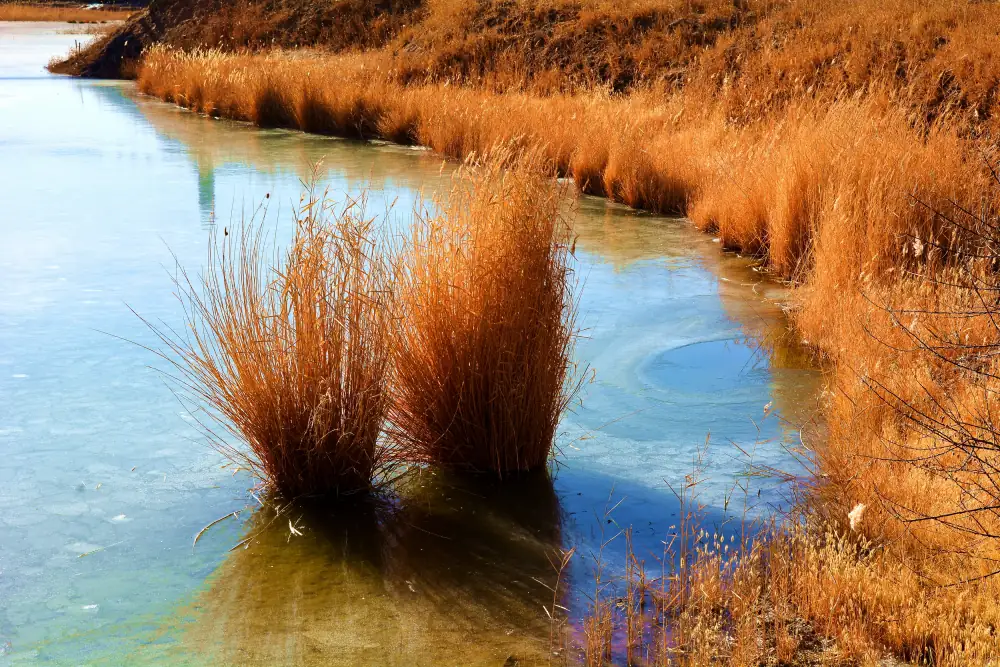
Yushu sits within the Sanjiangyuan (三江源, “Source of Three Rivers”) region — the headwaters of the Yangtze, Mekong (Lancang), and Salween (Nu) rivers. This is one of the most ecologically important areas on earth, and in 2021 it was designated as one of China’s first batch of national parks.
Tuotuo River — Source of the Yangtze: About 400 km from Yushu, accessible via a long and challenging road journey. The “source” is actually a series of glacial streams on the Tibetan plateau. This is serious expedition territory — not a casual day trip.
More accessible option: The Lancang (Mekong) River valley near Yushu is stunning and easily visited. A day trip from Yushu along the river valley takes you through dramatic gorges and nomad pastures. Hire a car for ¥400-600 ($55-83 USD) for the day.
Yushu Cuisine
Tibetan Food
The food in Yushu is unapologetically Tibetan — hearty, calorie-dense, and designed for life at altitude:
Yak Meat: The staple protein. Try it boiled with salt and chilli (¥30-50/$4.20-7 USD per plate), dried (¥50-80/$7-11 USD per 500g), or in dumplings (momo, ¥15-25/$2.10-3.50 USD for 10).
Tsampa (糌粑): Roasted barley flour mixed with yak butter tea into a dough. The Tibetan staple — filling and surprisingly tasty once you adjust. ¥10-15 ($1.40-2 USD) per serving.
Yak Butter Tea (酥油茶): Salty, buttery, and warming. Essential at altitude — the calories and salt help with acclimatisation. ¥5-10 ($0.70-1.40 USD) per thermos.
Sweet Tea: A sweeter, more approachable version made with milk, sugar, and tea. Popular in the town’s tea houses. ¥5-10 ($0.70-1.40 USD).
Thukpa ( Tibetan noodle soup): Hand-pulled noodles in a rich yak broth with vegetables and meat. ¥15-25 ($2.10-3.50 USD) per bowl.
Recommended Eateries
Yushu Tibetan Tea House: Near the main square. Good for yak butter tea and tsampa. Meals ¥15-30 ($2.10-4.20 USD) per person.
Jyekundo Kitchen: A popular restaurant serving both Tibetan and Sichuan dishes. The yak hotpot is excellent. Meals ¥30-60 ($4.20-8.30 USD) per person.
Practical Information
Getting to Yushu
By Air: Yushu Batang Airport (YUS) opened in 2009 and has daily flights from Xining (1 hour, ¥400-700/$55-97 USD) and several weekly flights from Chengdu and Xi’an. The airport is at 3,900 metres — be prepared for altitude effects immediately upon arrival.
By Road: The drive from Xining takes about 10-12 hours via the G214 highway (about 800 km). The scenery is extraordinary — crossing the Sun and Moon Mountain pass at 3,520 metres and traversing vast grasslands. Long-distance buses run from Xining (¥220/$30 USD).
Important: Some foreign nationals have reported being asked for additional documentation when traveling to Yushu. While it’s officially open without special permits, carry your passport and hotel bookings, and be prepared for security checks.
Altitude Considerations
At 3,700 metres, Yushu is higher than Lhasa. Altitude sickness is a genuine risk:
- Spend at least one night in Xining (2,275 metres) before ascending
- Take it very easy on your first day — no hiking, no running
- Drink plenty of water and avoid alcohol for the first 24 hours
- Consider acetazolamide (Diamox) if you’ve had altitude issues before
- The local remedy is Hongjingtian (红景天), available at pharmacies — evidence is anecdotal but it’s widely used
Accommodation
Yushu Gesar Hotel (格萨尔大酒店): The city’s best hotel, with oxygen available in rooms. Doubles from ¥300-500 ($42-69 USD).
Sanjiangyuan Hotel: A reliable mid-range option. Doubles from ¥180-300 ($25-42 USD).
Guesthouses: Several Tibetan-run guesthouses offer basic rooms from ¥80-150 ($11-21 USD) per night.
Best Time to Visit
- July — August: The horse festival and the warmest weather (10-20°C). The grasslands are green and the wildflowers are blooming. Peak season.
- May — June: Spring on the plateau — wildflowers and fewer tourists. Weather can be unpredictable.
- September — October: Autumn colours and clear skies. Cold at night (below freezing).
- Winter: Not recommended — extremely cold (-20°C) and many hotels and restaurants close.
Budget Estimate (3 Days)
| Item | Budget (¥) | Mid-Range (¥) |
|---|---|---|
| Flight from Xining (round trip) | 800 | 1,400 |
| Accommodation (2 nights) | 200 | 600 |
| Meals | 200 | 400 |
| Monastery/temple visits | 40 | 40 |
| Day trip to river valley | 0 | 600 (hired car) |
| Miscellaneous | 100 | 200 |
| Total | ¥1,340 ($186 USD) | ¥3,240 ($449 USD) |
The Real Tibet
Yushu is not curated for tourism. There are no souvenir shops selling mass-produced prayer flags, no restaurants with English menus, no tour guides with rehearsed spiels. What there is, instead, is a living, breathing Tibetan community that has survived earthquake, hardship, and the pressures of modernisation with its culture remarkably intact. The Jyekundo Horse Festival is one of the last great nomadic gatherings on earth, and the mani stone pile is one of the most powerful religious sites I’ve ever visited. Come to Yushu not for comfort, but for authenticity. It will change how you think about Tibet, about resilience, and about what it means to maintain a way of life against all odds.