
Table of contents
Open Table of contents
The Lake and Its Setting
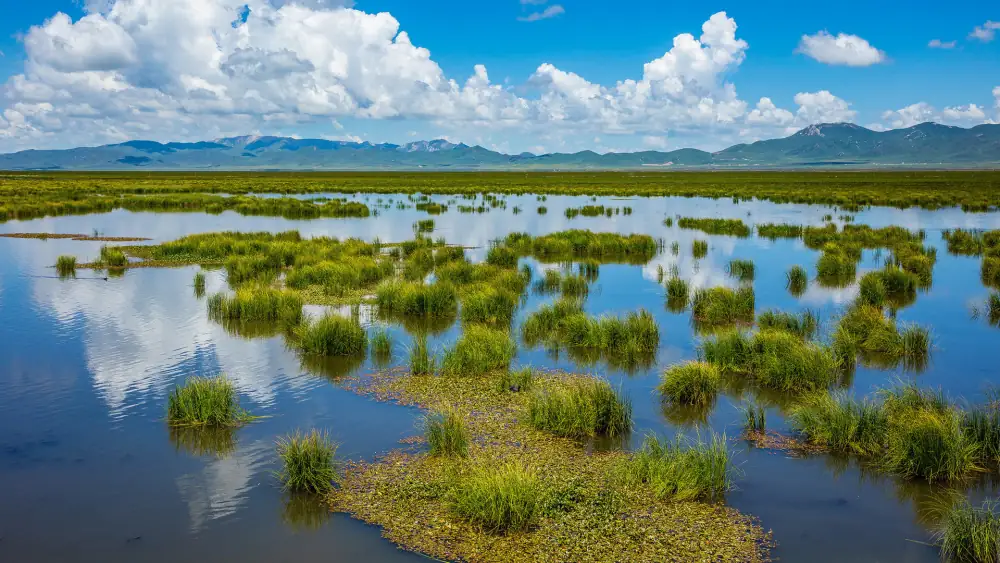
Lugu Lake (泸沽湖) covers about 50 square kilometres at an elevation of 2,690m, straddling the administrative boundary between Sichuan’s Yanyuan County and Yunnan’s Ninglang County. The water is extraordinarily clear — visibility to several metres depth is normal — and the surrounding mountains rise another 1,000m above the lake surface, draped in pine and oak forest.
The lake contains five islands and several promontories that create a dramatically varied shoreline. The main village clusters (primarily Luoshui on the Yunnan side and Daluoshui on the Sichuan side) have developed significantly as tourism infrastructure, but the lake’s remote location and large size mean that quieter sections of the shoreline remain genuinely peaceful.
Entry and Tickets
Entry fee: 100 yuan per person for the scenic area. This is charged at the main entrance to the Yunnan side (Luoshui area) and covers access to the main lake viewing areas.
Boat tours: The traditional pig-trough boats (猪槽船, zhucao chuan) used by the Mosuo are available for hire. A 45-60 minute tour of the lake from the village areas costs approximately 50-80 yuan per person (group pricing). The boats are genuinely traditional — narrow dugouts that require a Mosuo boatperson to paddle.
Horseback riding: A very popular activity around the lake. Guided rides along the mountain tracks cost approximately 100-200 yuan per hour.
Mosuo Culture and Villages
Luoshui Village (落水村): The largest tourist-oriented Mosuo village on the Yunnan side, Luoshui has become quite commercially developed but retains genuine Mosuo residential architecture and cultural practice. The traditional Mosuo house (木楞房, mu leng fang) is built from stacked horizontal timber logs — a very different construction technique from the surrounding Han and Yi architecture.
Daluoshui (大落水): The Sichuan side is slightly less developed and in some ways more interesting for cultural immersion. The village has Mosuo families still living in traditional compounds (祖母屋, zumu wu — “grandmother houses”) organised around the eldest female of the clan.
Mosuo cultural performances: Evening performances of traditional Mosuo music, dance, and cultural demonstrations are offered in several venues in the lakeside villages. Quality and authenticity vary — ask at your guesthouse for genuine rather than purely commercial performances. Cost: 80-150 yuan per person.
Cultural sensitivity: The Mosuo walking marriage system and the details of their family structure attract enormous tourist curiosity, some of it prurient. When visiting Mosuo homes or interacting with community members, basic respect means not treating their culture as an exhibit. Ask before entering homes, ask before photographing individuals, and don’t probe personal questions about marriage practices in a voyeuristic way. Many Mosuo are open to discussing their culture respectfully.
Getting to Lugu Lake
This is genuinely remote country. Getting here requires commitment.
From Lijiang, Yunnan (most popular route):
- Tourist buses: Daily direct buses from Lijiang to Lugu Lake (Luoshui). Journey approximately 4-5 hours, tickets ¥60-100. Departs early morning from Lijiang bus station.
- Private car hire from Lijiang: ¥400-600 for the journey, much more flexible.
From Xichang, Sichuan:
- Bus: Xichang long-distance bus station to Lugu Lake (Daluoshui side), approximately 5-6 hours, tickets ¥70-100. Xichang is on the Chengdu-Kunming railway and has good high-speed rail connections to Chengdu (2.5 hours) and Kunming (2 hours).
- Taxi/private car: ¥500-700 for the journey.
Note: The roads to Lugu Lake involve significant mountain driving with sharp bends and altitude gain. Motion sickness medication is advisable for susceptible travellers.
Accommodation at Lugu Lake
Budget guesthouses (¥80-200 per night): Basic rooms in Mosuo-style guesthouses around the lakeside villages. Many are family-run and offer a genuine if simple hospitality. The rooms face the lake or the mountains.
Mid-range (¥200-450 per night): Better guesthouses and small hotels with more comfortable facilities and often excellent lake view rooms. Several have rooftop terraces that are excellent for sunrise and sunset watching.
Upscale (¥450-1,200 per night): A few boutique properties and small resorts have opened in recent years with higher standards of comfort while maintaining the traditional architectural style. Recommended: booking these well ahead for the peak season (July-August, October).
Which side: Yunnan side (Luoshui) is more developed with more tourist facilities. Sichuan side (Daluoshui) is quieter and slightly more authentic. Most visitors stay on the Yunnan side for convenience.
The Lake Circuit
A full circuit of Lugu Lake by bicycle or horse takes approximately 6-8 hours — about 70km. Bicycle rental is available in the villages (¥50-80 per day). The circuit route (mostly paved) passes through multiple small Mosuo villages, forest sections, and several viewpoints that are not visible from the main tourist area. This is strongly recommended over simply staying near the main villages.
Mountain bike rental: Better quality bikes available for ¥80-120 per day. The terrain is largely flat around the lake itself but can have significant grades on the mountain sections of the circuit.
E-bike rental: Electric bicycles increasingly popular as the altitude (2,690m) makes pedalling a full circuit demanding for those not acclimatised. ¥100-150 per day.
Best Time to Visit
September-November: The consensus best time. Clear skies, comfortable temperatures (10-22°C at lake level), autumn colours in the surrounding forests, and thinned summer crowds. October photography is exceptional.
Spring (April-May): Wildflowers, clear skies, and fewer visitors than summer.
Summer (July-August): Peak season. Warm temperatures, most facilities operating, but also the most crowded period. Still enjoyable.
Winter (December-February): Cold (below zero at night) but very quiet. The lake has a pristine quality in winter light. Some guesthouses close or reduce services.
Practical Tips
Altitude: At 2,690m, mild altitude effects (headache, fatigue) are possible. Take the first day gently; the lake level itself is not extreme altitude for most visitors.
Sunscreen and sun protection: At altitude and near reflective water, UV exposure is significant. High-factor sunscreen is essential.
Photography: Early morning before 8am and the last hour of light provide the best conditions for lake photography. The Mosuo boat reflections at dawn, with mist over the water and the mountains emerging behind, are classic shots.
Respect the lake: The ecosystem of Lugu Lake is sensitive. Don’t throw anything into the water, use sunscreen that doesn’t contaminate freshwater, and follow local environmental guidelines.
Stargazing: At this altitude and away from significant light pollution, the night sky at Lugu Lake is extraordinary. A clear November night can produce some of the best stargazing in southwestern China.
Lugu Lake combines pristine highland scenery with a living cultural tradition that, despite the pressures of tourism, remains genuinely distinctive. Coming here requires real travel — bumpy mountain roads, altitude adjustment, and a willingness to be temporarily far from urban conveniences. What you get in return is one of the most beautiful and quietly memorable landscapes in all of China.