
Guangzhou’s modern face — the Canton Tower, the Tianhe CBD towers, the Pearl River New Town — dominates its image in travel photography. But Guangzhou has an older face that most visitors miss: the colonial island of Shamian, the breathtaking clan ancestral hall architecture of the Chen Clan complex, and the Liwan District canal streets that preserve the texture of pre-industrial Guangzhou.
Shamian Island (沙面岛)
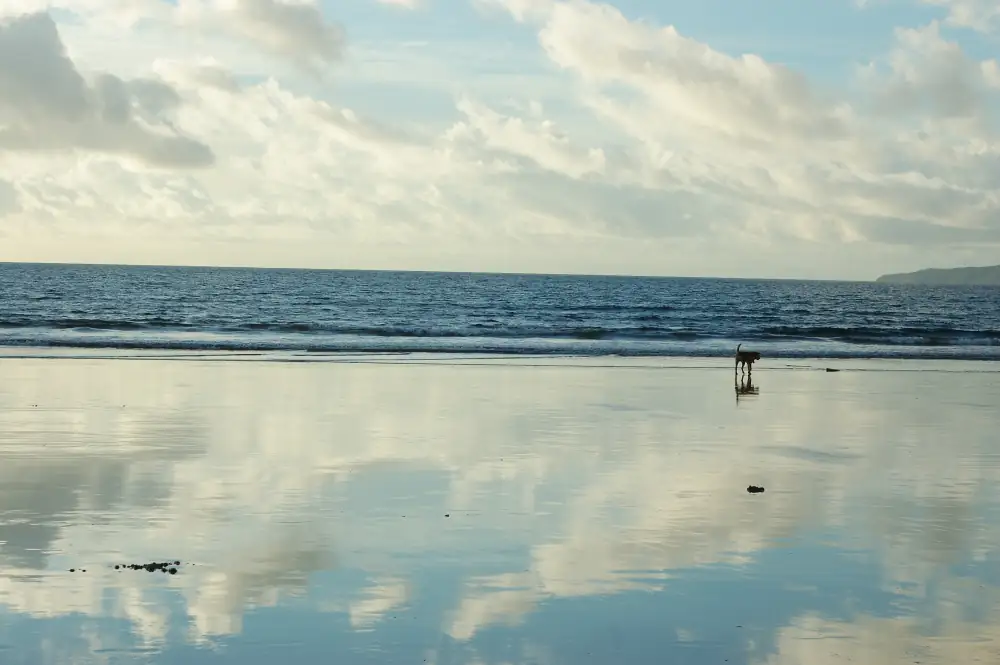
Shamian is a small island in the Pearl River that served as the foreign concession area from 1860 to 1949 — the treaty-port enclave where British and French merchants, consulates, and banks established their Guangzhou operations. The 0.3 sq km island retains its European colonial architecture nearly intact: neoclassical bank buildings, red-brick residences, French plane trees lining the central boulevard, and a scale entirely different from the surrounding city.
Walking Shamian: The main boulevard (Shamian Avenue) runs east-west through the island. The northern embankment looks across the creek to the modern city; the southern side faces a quiet backwater. The island takes about 45 minutes to walk thoroughly.
Notable buildings: The former US Consulate (a graceful colonial villa, now a hotel), the historic Victory Hotel (白天鹅宾馆 area), the French Catholic Church (1890), and the British Consulate building.
The neighbourhood now: Increasingly popular as a café and boutique district. The juxtaposition of colonial buildings with independent Guangdong coffee shops and traditional snack vendors is particularly Guangzhou.
Chen Clan Ancestral Hall (陈家祠)
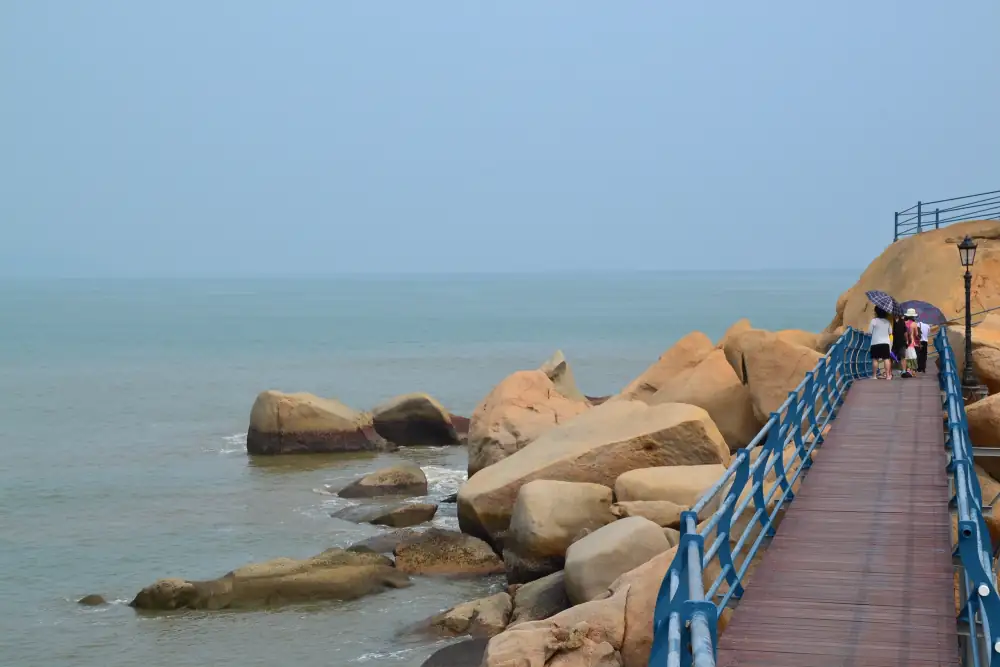
The Chen Clan Ancestral Hall (陈家祠, also called Guangdong Folk Arts Museum) is arguably the most spectacularly decorated building in China outside of the imperial palaces. Built 1888–1894 as a combined ancestral worship hall and education centre for the Chen clan of Guangdong Province, the complex is a concentrated showcase of every Lingnan craft tradition.
The decoration: Every surface carries ornamental work — carved stone, moulded lime plaster, painted ceramic ridge tiles, gilded wood carvings, coloured glass inserts, and brick carvings. The 19 interconnected halls and courtyards are unified by 6 large ridge decorations (脊饰) made from thousands of hand-painted ceramic figures depicting historical narratives.
Specific highlights:
- The entrance hall frieze — 11 metres of carved sandstone depicting historical figures and landscapes
- The main hall ceiling — gilded wood panels with intricate traditional motifs
- The ceramic ridge figures (from Shiwan kilns) — 6 ridges totalling 27 metres of figure composition
Allow 1.5–2 hours. The museum shop sells quality Cantonese folk crafts (Shiwan ceramic figurines, Guangdong silk embroidery).
Liwan District: Old Guangzhou Canal Streets
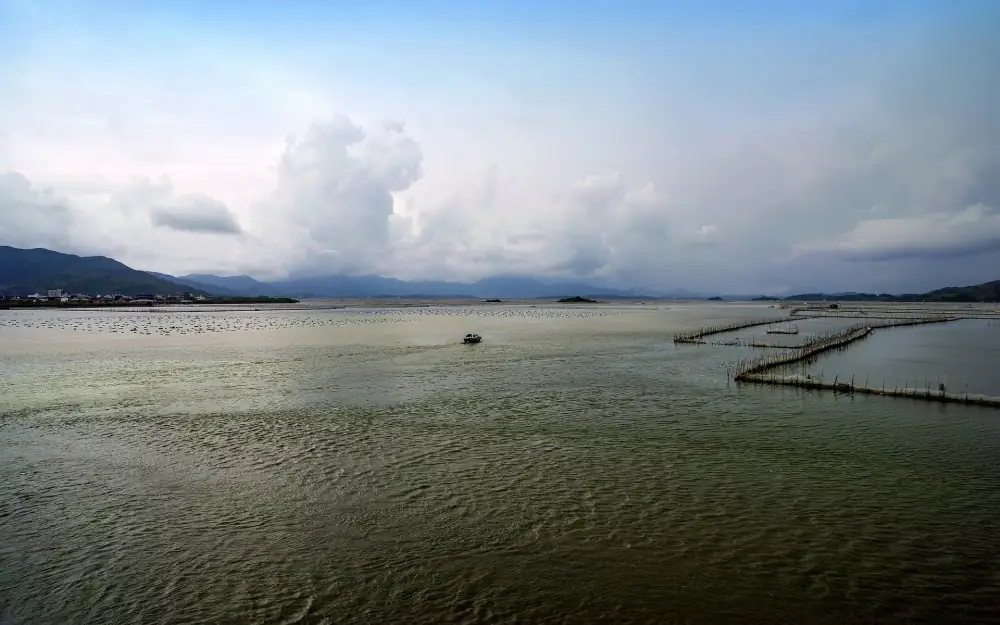
Liwan (荔湾) District contains Guangzhou’s most intact heritage street network. The Yongqing Fang (永庆坊) area has been restored as a heritage commercial district — the narrow lanes of two- and three-story Qilou (骑楼, arcaded shophouses) that once lined all of Guangzhou’s commercial streets.
Shang Xia Jiu Pedestrian Street (上下九步行街): Qilou shophouses converted into a pedestrian shopping and food street. The architecture is the attraction; the merchandise is mostly chain retail. Worth walking for the building facades.
Xiguan Mansions (西关大屋): Traditional Guangdong wealthy-family residences in the lanes behind the main streets — distinctive features include carved wooden screen doors, decorative brick walls, and narrow facades concealing deep interior courtyards.
Ancestral Temple of the Southern Yue Kings (南越王博物院)
The Museum of the Nanyue Kingdom houses the tomb of Zhao Mo (died 122 BC), the second king of the Nanyue Kingdom — the independent state that governed southern China before the Han dynasty’s expansion. The tomb was discovered intact in 1983, with jade burial suit, bronze vessels, silk, and personal effects.
One of the best-presented archaeological museums in China. The tomb chamber is preserved in situ, allowing visitors to enter the original burial space.
Also see: Guangzhou Travel Guide | Guangzhou Dim Sum Guide | Guangdong Pearl River Delta Guide